Owner’s manual


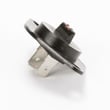
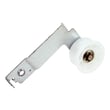

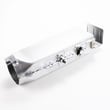
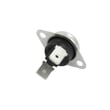
How to find part number for Samsung dryer?
For your Samsung dryer model DV407AEW, we find the correct part number by matching the appliance’s model number and then identifying the part on the parts diagram or in the parts list. On most Samsung front-load dryers, the model and serial tag is on the front frame behind the door; a backup tag is often on the rear panel. For model-specific identification details, use the DV407AEW owner’s manual.
Steps to get the right part number (DV407AEW)
- Open the dryer door and look on the front frame for the model/serial label.
- Write the model number exactly as shown (for this page: DV407AEW).
- If the label is missing or unreadable, check the back of the dryer for a second label.
- Use the model number to locate the part in the parts list or diagram, then record the manufacturer part number.
- Confirm the part matches your symptom (heat issue, noise, won’t start) before ordering.
Common examples of “part number” vs “part name”
| What you see | What it means | Example for DV407AEW |
|---|---|---|
| Model number | Identifies the dryer | DV407AEW |
| Part name | Describes the component | Heating element |
| Part number | The ordering number | DC47-00019A |
If you are troubleshooting a no-heat complaint, a common part customers look up is the Samsung dryer heating element DC47-00019A.
Why it matters
Samsung often uses similar-looking parts across multiple dryers, but the mounting, wiring, and temperature ratings can differ. Using the exact DV407AEW model number helps ensure the part number you choose fits and performs correctly.
Last updated: February 2026
What is the most common Samsung dryer error?
On Samsung dryers like model DV407AEW, the most common error is typically a door-related error (the dryer thinks the door is open or not locking). In many cases, the root cause is a door that is not fully closed or lint and debris interfering with the door switch/strike.
Quick checks that fix most door errors
- Open and firmly re-close the door; press on the door near the latch while starting a cycle.
- Clean lint and residue from the door opening and latch area.
- Inspect the strike and catch for cracks, looseness, or misalignment.
- Make sure the dryer is level; a tilted cabinet can prevent a solid latch.
- Power reset: unplug for 2 minutes (or switch the breaker off and back on), then retry.
If the error is not door-related
Samsung error codes often point to airflow, heating, or temperature-sensing problems. Lint buildup and restricted venting are common triggers, and the manual also calls out periodic cleaning of the interior and exhaust duct by qualified service personnel.
Common non-door causes to consider
- Blocked or crushed exhaust vent (long dry times, overheating, shutdowns)
- Lint buildup inside the cabinet or blower housing
- Temperature sensing issues (thermistor out of range)
- Overheating protection opening (thermal cut-off or high-limit thermostat)
Parts that commonly relate to heat/temperature errors
If you are seeing heat or temperature-related codes or symptoms (no heat, overheating, shuts off), these model-compatible parts are common suspects:
| Symptom | What it often points to | Example part for DV407AEW |
|---|---|---|
| No heat | Failed heater circuit | Samsung dryer heating element DC47-00019A |
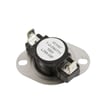
| Overheats or shuts down | Safety thermostat/fuse opening | Dryer high-limit thermostat DC47-00018A |
| Temp error or poor temp control | Sensor reading wrong | Dryer thermistor DC32-00007A |
Why it matters
Door errors stop the dryer for safety, and airflow or temperature errors protect the heater and prevent overheating. Fixing the underlying cause (latch alignment, lint, vent restriction, or a failed sensor/thermostat) helps restore normal drying performance and prevents repeat shutdowns.
For the exact error-code definitions and the model-specific checks Samsung recommends, use the DV407AEW manual. You can also compare codes and meanings in our Samsung dryer error codes guide.
Last updated: February 2026
Is it worth replacing a heating element in a Samsung dryer?
Yes; for a Samsung DV407AEW dryer, replacing the heating element is usually worth it when the dryer otherwise runs normally, because the repair cost is typically far less than replacing the whole dryer. We recommend confirming the no-heat cause first, since airflow problems and safety thermostats can mimic a failed element.
Quick decision checklist
- The drum tumbles and the timer advances, but clothes stay cold or damp.
- You have good airflow at the outside vent (strong, steady flow).
- The lint screen and exhaust duct are clean (restricted venting can overheat and trip safeties).
- The dryer is not repeatedly shutting off on high heat.
- You are comfortable doing basic electrical testing and reassembly steps from the DV407AEW owner's manual.
What to check before buying a heating element
A “no heat” symptom is often caused by a safety device opening due to overheating or a failed sensor.
Most common checks (in order):
- Airflow: Clean lint screen; inspect and clean the exhaust duct. Samsung recommends periodic duct cleaning by qualified service personnel.
- Thermal cut-off and high-limit thermostat: If either is open, the heater will not run.
- Thermistor: A bad temperature sensor can cause improper heating control.
- Heating element: If it tests open (no continuity), replacement is the right fix.
Parts that commonly relate to no-heat on this model
| Symptom | Common suspect part | Example part for DV407AEW |
|---|---|---|
| No heat at all | Heating element | Samsung dryer heating element DC47-00019A |
| No heat after overheating event | Thermal cut-off thermostat | Dryer thermal cut-off thermostat DC47-00016A |
| Heat cycles incorrectly | Thermistor | Dryer thermistor DC32-00007A |
Why it matters
A restricted vent can cause overheating, longer dry times, and repeated thermal cut-off failures. The manual also calls for a 4-inch rigid metal exhaust duct, which helps maintain safe, efficient airflow.
When replacement is not the best value
- The dryer has multiple major issues (motor noise, drum support problems, repeated overheating) in addition to no heat.
- You cannot restore proper venting; the new heater can fail again if airflow stays restricted.
Last updated: February 2026
How to tell if a Samsung dryer heating element is bad?
On our Samsung DV407AEW dryer, a bad heating element typically shows up as “runs but doesn’t heat” even when a heated cycle is selected. We confirm it by checking airflow first, then testing the heater circuit with a multimeter for an open element or a short to the metal housing; use the DV407AEW owner’s manual for the model’s safety and troubleshooting guidance.
Quick symptoms that point to the heater circuit
- Dryer tumbles normally but clothes stay cold and damp
- Heat comes and goes unpredictably during a cycle
- A burning smell or scorching (stop using the dryer and inspect venting)
- The dryer shows an “hE” heating-related information code
- Dry times suddenly get much longer
How we test the heating element (safe, reliable method)
- Unplug the dryer (and shut off gas if you have a gas version).
- Check airflow first: clean the lint screen and make sure the vent is not restricted (restricted venting can mimic heater failure).
- Access the heater terminals and use a multimeter:
- Continuity/resistance across the element terminals: a good element shows continuity; an open circuit indicates a failed element.
- Ground test: test each terminal to the metal heater housing; you should get no continuity. Continuity to ground indicates a shorted element.
If the element fails either test, replacement is the fix. For this model, the heater is commonly replaced as the Samsung dryer heating element DC47-00019A.
Don’t miss these common “no heat” causes
The DV407AEW manual troubleshooting points to several basics that can stop heating or drying performance:
| What to check | What it affects | What to do |
|---|---|---|
| Cycle setting (not Air Fluff) | Heat never turns on | Select a heated cycle/temperature |
| Lint screen and exhaust duct | Overheating, long dry times, no heat symptoms | Clean lint screen; inspect duct and hood |
| Home power (electric models) | Heater needs full supply | Check breakers/fuses; restore full power |
| Safety thermostats/fuses | Heater shuts off for safety | Test and replace failed safety parts |
Why it matters
A restricted vent or failed safety thermostat can make the dryer act like the heating element is bad. Checking venting and the heater circuit in the right order prevents repeat failures and helps the dryer dry evenly and safely.
Last updated: February 2026
What is the average lifespan of a Samsung dryer?
Most Samsung dryers, including the Samsung DV407AEW, typically last 10 to 15 years with normal household use. Consistent airflow (clean lint screen and clear venting) and avoiding chronic overheating are the biggest factors that push lifespan toward the high end; see the DV407AEW owner's manual for care and safety guidance.
What affects dryer lifespan the most
- Vent airflow: crushed or lint-clogged ducting makes the dryer run hotter and longer.
- Lint screen habits: cleaning every load reduces heat stress on the heater and thermostats.
- Load size: frequent overloading strains the drum belt, motor, and rollers.
- Heat management: repeated overheating can trip or damage safety thermostats and fuses.
- Installation quality: rigid metal venting and correct routing reduce restriction.
Typical lifespan ranges (what we see most often)
| Usage pattern | Typical lifespan | What usually wears first |
|---|---|---|
| Light (few loads/week) | 12 to 15 years | Rollers, belt |
| Average (most households) | 10 to 13 years | Heater parts, belt, rollers |
| Heavy (daily loads) | 8 to 11 years | Belt, motor, heat safety parts |
Parts that commonly determine whether a dryer “feels worn out”
If the dryer still powers on but gets noisy, stops tumbling, or overheats, these are frequent wear items:
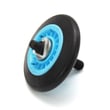
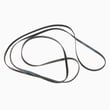
- Samsung dryer drum belt 6602-001655 (no tumble, squeal, intermittent stopping)
- Samsung dryer drum support roller DC97-16782A (thumping, rumbling, vibration)
- Samsung dryer heating element DC47-00019A (no heat or weak heat)
- Dryer high-limit thermostat DC47-00018A and dryer thermal cut-off fuse, 320-degree f DC47-00015A (overheating protection trips)
Why it matters
A dryer that is forced to run with restricted airflow can overheat, dry slowly, and cycle safety parts more often. Keeping venting clear and loads reasonable reduces stress on the heating system, motor, and drum support system, which is what most often limits real-world lifespan.
Last updated: February 2026
How to tell if Samsung dryer thermal fuse is bad?
On a Samsung DV407AEW dryer, a bad thermal fuse typically leaves the dryer dead (won’t start) or running with no heat. The sure check is a continuity test with a multimeter; a good fuse shows continuity, and a blown fuse shows open (no continuity). Use the DV407AEW user manual safety and maintenance guidance before servicing.
Quick symptoms vs. what they usually mean
- Dryer won’t start at all: blown thermal fuse, door switch, belt switch, or power issue
- Runs but no heat: blown thermal fuse, heater circuit issue, or airflow restriction
- Repeated fuse failures: overheating from lint buildup or restricted venting
- Long dry times: clogged lint screen or exhaust duct restriction
How we test the thermal fuse (basic steps)
- Unplug the dryer (and shut off gas if you have a gas version).
- Access the fuse (commonly on the blower housing or heater housing, depending on design).
- Pull at least one wire off the fuse terminal.
- Set a multimeter to continuity (or lowest ohms).
- Touch probes to the fuse terminals.
Interpreting the meter
| Meter result | What it means | What to do next |
|---|---|---|
| Beep or near 0 Ω | Fuse is good | Check venting, thermostats, heater circuit |
| No beep or OL/infinite | Fuse is blown | Replace fuse and correct overheating cause |
Fix the overheating cause first (so it doesn’t blow again)
The manual calls out routine lint and exhaust maintenance, including cleaning the lint screen every load and keeping the exhaust area clear; it also notes the exhaust duct and interior should be cleaned periodically. Use these checks:
- Clean the lint screen before or after each load
- Inspect and clear the exhaust duct for lint buildup (annual inspection is a good baseline)
- Confirm the outside exhaust hood opens and closes freely
- Use 4-inch rigid metal duct (avoid plastic flexible duct)
- Avoid overloading; 1 wash load = 1 dryer load
Parts that are commonly involved with “no heat” complaints
If the fuse tests good, these model-compatible parts are common next checks:
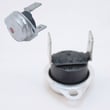
- Dryer thermal cut-off fuse, 320-degree f DC47-00015A
- Dryer thermal cut-off thermostat DC47-00016A
- Dryer high-limit thermostat DC47-00018A
- Samsung dryer heating element DC47-00019A
Why it matters
A thermal fuse is a safety device; when it opens, it usually indicates overheating. Restoring proper airflow (lint screen, ducting, hood) helps protect the heater circuit and prevents repeat shutdowns.
Last updated: February 2026