- Kenmore refrigerator water filters
- Whirlpool refrigerator water filters
- Samsung refrigerator water filters
- GE refrigerator water filters
- LG refrigerator water filters
- Frigidaire refrigerator water filters
- KitchenAid refrigerator water filters
- Maytag refrigerator water filters
- Kenmore Elite refrigerator water filters
- Estate refrigerator water filters
- GE Profile refrigerator water filters
- Amana refrigerator water filters
- Bosch refrigerator water filters
- Dacor refrigerator water filters
- Electrolux refrigerator water filters
Top DIY repair help
View All Repair Categories
Appliances
Lawn & Garden
Power Tools
Home Improvement
Sports & Leisure
Heating & Cooling

Asko Dryer Parts — Browse All Models
When your dryer isn’t drying like it used to, a worn-out part may be to blame. Finding the right Asko dryer parts is easy at Sears PartsDirect. Use the model list below or enter your dryer’s model number in the search bar to pull up detailed diagrams and OEM parts that fit perfectly. With reliable components and helpful tips for maintenance and performance, you’ll have your Asko dryer running like new.

Asko T701 dryer
Asko T700 dryer
Popular maintenance items for Dryers
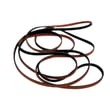
Whirlpool Dryer Drum Belt, 92-1/4-inch
$10.01
17% OFF Phone Price : $12.01

Qty

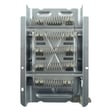
Dryer Heating Element - Laundry Appliance Part By Whirlpool
In Stock
$50.54
11% OFF Phone Price : $56.54
Qty
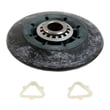
Whirlpool Dryer Drum Support Roller
In Stock
$12.02
14% OFF Phone Price : $14.02
Qty
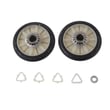
Whirlpool Dryer Drum Support Roller Kit
In Stock
$13.36
13% OFF Phone Price : $15.36
Qty
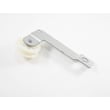
Whirlpool Dryer Idler Pulley
In Stock
$21.70
22% OFF Phone Price : $27.70
Qty
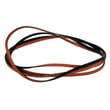
Whirlpool Dryer Drum Belt
In Stock
$16.20
12% OFF Was : $18.38
Qty
Troubleshooting common Asko dryer issues
Asko dryers are known for their performance and energy efficiency, but even high-end dryers can struggle with damp loads or poor airflow when parts wear down or maintenance is skipped. Here’s where to look if your dryer isn’t drying properly.
Dryer leaves clothes damp after a full cycle
If heavy items like jeans or towels are consistently coming out damp, uneven loading or overstuffing may be the issue. But if your entire load is still wet at the end of the cycle, it could be time to inspect the heating system or airflow components. Before replacing anything, be sure your dryer is installed properly, venting efficiently, and not overloaded.
Importance of regular maintenance —
Lint buildup in the lint screen, vent hose, and internal ducting reduces airflow and drying performance. It also increases fire risk. Check and clean the vent system regularly, especially if your dryer runs hotter or longer than usual. Follow the steps in our guide on how to clean and maintain your clothes dryer to keep your Asko dryer in safe working order.
Using your dryer more efficiently
Getting the most out of your Asko dryer doesn’t always require a repair; sometimes it’s about how you load and use the machine. Small adjustments, like drying similar fabrics together or using moisture sensor cycles, can make a big difference. See our guide on how to use your clothes dryer efficiently for tips that reduce energy use and drying time.
Commonly replaced Asko dryer parts
- Operating thermostat – Regulates drum temperature during cycles. If it fails, your dryer may not heat correctly or may overheat.
- Heating element – Generates the heat to dry clothes in electric models. A broken coil or burned-out element can leave loads damp.
- Drum belt – Turns the drum. If your dryer runs but the drum doesn’t spin, the belt may be snapped or loose.
- Door switch – Keeps the dryer from running with the door open. If the switch fails, your dryer might not start at all.
- Thermal fuse – Shuts off power to prevent overheating. A blown fuse can stop the dryer from running or heating.
Why use OEM Asko dryer parts from Sears PartsDirect?
Sears PartsDirect carries genuine OEM Asko dryer parts, so you can count on precise fit and performance. Our parts diagrams and detailed descriptions make it easy to find exactly what you need, whether you're replacing a thermostat or tackling routine maintenance. With the right part and a little know-how, you can keep your dryer running smoothly.
Asko dryer FAQs
Why does my Asko dryer run but not dry clothes?
This usually indicates a problem with the heating element or thermostat, or restricted airflow from a clogged lint screen or vent system.
How often should I clean my Asko dryer's vent system?
At least every 6 months, or more often if you use your dryer frequently or notice longer dry times.
My dryer makes a clicking noise - should I be concerned?
Occasional clicks can be normal. Repetitive or loud clicking may indicate a worn drum roller or foreign object inside the drum.
How do I know if my heating element is bad?
If your dryer runs but produces no heat, unplug it and visually inspect the element for broken coils. You can also test it with a multimeter.
Can I use third-party parts in my Asko dryer?
We recommend OEM parts for reliability and safety. Off-brand components may not fit properly or meet your dryer’s performance specs.
Parts & More
Air Compressor
Bottom-Mount Refrigerator
Camping
Dishwasher
Electric Line Trimmer
Gas Cooktop
Gas Range
Gas Walk-Behind Mower
Lawn Edger
Line Trimmer
Parts
Side-By-Side Refrigerator
Trash Compactor
Weight System
Wet/Dry Vacuum