- Kenmore refrigerator water filters
- Whirlpool refrigerator water filters
- Samsung refrigerator water filters
- GE refrigerator water filters
- LG refrigerator water filters
- Frigidaire refrigerator water filters
- KitchenAid refrigerator water filters
- Maytag refrigerator water filters
- Kenmore Elite refrigerator water filters
- Estate refrigerator water filters
- GE Profile refrigerator water filters
- Amana refrigerator water filters
- Bosch refrigerator water filters
- Dacor refrigerator water filters
- Electrolux refrigerator water filters
Top DIY repair help
View All Repair Categories
Appliances
Lawn & Garden
Power Tools
Home Improvement
Sports & Leisure
Heating & Cooling

KitchenAid Dryer Parts — Browse All Models
KitchenAid appliances known for their sleek design and reliable performance. When your dryer isn’t running like it used to, it’s easy to find the right KitchenAid dryer parts at Sears PartsDirect. No matter what you need, you’ll find genuine OEM parts plus diagrams that show exactly what fits your model. And with our DIY dryer repair help and troubleshooting tips available, fixing your dryer is easier than you might think.

Frequently bought KitchenAid parts
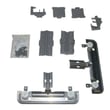
Dishrack Adjuster Kit - Dishwasher Rack Component By Whirlpool
In Stock
$40.47
13% OFF Phone Price : $46.47

Qty

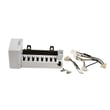
Ice Maker Assembly - Refrigerator Ice Maker By Whirlpool
In Stock
$118.89
9% OFF Phone Price : $130.89
Qty
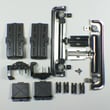
Dishrack Adjuster Kit (w10712394) - Dishwasher Rack Component By Whirlpool
In Stock
$38.64
13% OFF Phone Price : $44.64
Qty
Whirlpool Refrigerator Ice Maker Assembly
In Stock
$105.13
10% OFF Phone Price : $117.13
Qty
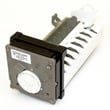
Whirlpool Refrigerator Ice Maker (d7824706q)
In Stock
$98.80
11% OFF Phone Price : $110.80
Qty
Dryer Heating Element Wire Kit
In Stock
$10.72
16% OFF Phone Price : $12.72
Qty
Popular maintenance items for Dryers
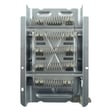
Dryer Heating Element - Laundry Appliance Part By Whirlpool
In Stock
$50.54
11% OFF Phone Price : $56.54
Qty
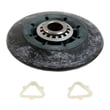
Whirlpool Dryer Drum Support Roller
In Stock
$12.02
14% OFF Phone Price : $14.02
Qty
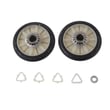
Whirlpool Dryer Drum Support Roller Kit
In Stock
$13.36
13% OFF Phone Price : $15.36
Qty
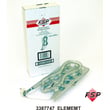
Dryer Heating Element By Whirlpool
In Stock
$68.68
8% OFF Phone Price : $74.68
Qty
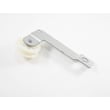
Whirlpool Dryer Idler Pulley
In Stock
$21.70
22% OFF Phone Price : $27.70
Qty
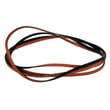
Whirlpool Dryer Drum Belt
In Stock
$16.20
12% OFF Was : $18.38
Qty
Keep your KitchenAid dryer performing at its best
KitchenAid dryers are built for efficiency, but like any appliance, they benefit from regular maintenance and occasional part replacements. Here’s how to keep yours running smoothly.
Remove lint buildup regularly
Excess lint in the lint trap or vent system can increase drying time and overheat the appliance. Use a dryer lint brush to clean the lint duct and surrounding areas thoroughly once every 6 months.
Replace worn parts before they fail
Many dryer problems trace back to worn or failing mechanical parts. If your drum doesn’t turn, clothes aren’t drying, or the unit won’t start, it could be time for a replacement.
- If your dryer runs but doesn’t tumble, a broken belt may be the issue. You can replace the dryer belt to restore drum movement.
- If cycles won’t start or the dryer stops mid-cycle, a worn or failed timer could be to blame. Replace the timer to fix these issues.
- If the drum won’t spin or the dryer hums without starting, it may be time to replace the drive motor.
Commonly replaced KitchenAid dryer parts
- Drive motor – Powers the drum and blower. Failure can prevent spinning or heating.
- Timer – Controls cycle duration and power to the heater and motor.
- Drive belt – Wraps around the drum and motor to enable rotation.
- Thermal fuse – Blows if the dryer overheats, cutting power to the heater or motor.
- Door switch – Prevents the dryer from running with the door open.
Why use OEM KitchenAid dryer parts
Genuine OEM parts are designed specifically for your KitchenAid dryer model, ensuring a proper fit and optimal performance. Using original parts helps prevent repeat failures, protects your warranty, and supports the appliance’s long-term reliability. Sears PartsDirect carries only authentic KitchenAid dryer parts, complete with detailed diagrams and expert DIY resources to help you complete your repair with confidence.
KitchenAid dryer FAQs
Where is the model number on my KitchenAid dryer?
Check the frame just inside the dryer door or on the rear panel. The model number is typically printed on a silver or white tag.
Why won’t my KitchenAid dryer start?
First check for power at the outlet, then test components like the door switch and thermal fuse. A faulty start switch or timer can also prevent the dryer from turning on.
How often should I clean my KitchenAid dryer?
Clean the lint filter after every load and clean the vent system every 6 months. Use a dryer lint brush to keep hard-to-reach areas clear of lint.
Why is my KitchenAid dryer taking longer to dry clothes?
Clogged vents, worn drum seals, or a failing heating element could be slowing drying time. Regular dryer cleaning and maintenance helps prevent these issues.
Can I repair my KitchenAid dryer myself?
Yes, many dryer repairs are DIY-friendly with the right parts and guidance. Sears PartsDirect offers helpful diagrams and dryer repair guides to walk you through common fixes.
Parts & More
Bottom-Mount Refrigerator
Electric Range
Freestanding Freezer
Front-Engine Lawn Tractor
Gas Grill
Gas Walk-Behind Mower
Lawn & Garden Engine
Lawn Sweeper
Parts
Range Hood
Side-By-Side Refrigerator
Washer
Wine & Beverage Cooler