- Kenmore refrigerator water filters
- Whirlpool refrigerator water filters
- Samsung refrigerator water filters
- GE refrigerator water filters
- LG refrigerator water filters
- Frigidaire refrigerator water filters
- KitchenAid refrigerator water filters
- Maytag refrigerator water filters
- Kenmore Elite refrigerator water filters
- Estate refrigerator water filters
- GE Profile refrigerator water filters
- Amana refrigerator water filters
- Bosch refrigerator water filters
- Dacor refrigerator water filters
- Electrolux refrigerator water filters
Top DIY repair help
View All Repair Categories
Appliances
Lawn & Garden
Power Tools
Home Improvement
Sports & Leisure
Heating & Cooling

Equator Dryer Parts — Browse All Models
If you're looking for Equator dryer parts, Sears PartsDirect makes it easy. Browse the model list below or enter your model number in the search bar to view detailed diagrams that match your machine. With genuine OEM parts and trusted repair resources, you can get your laundry routine back on track quickly.

Equator ED510 dryer
Shop Parts
77 Parts
Popular maintenance items for Dryers
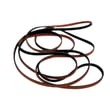
Whirlpool Dryer Drum Belt, 92-1/4-inch
In Stock
$10.01
17% OFF Phone Price : $12.01

Qty

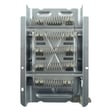
Dryer Heating Element - Laundry Appliance Part By Whirlpool
In Stock
$50.54
11% OFF Phone Price : $56.54
Qty
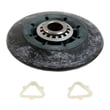
Whirlpool Dryer Drum Support Roller
In Stock
$12.02
14% OFF Phone Price : $14.02
Qty
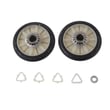
Whirlpool Dryer Drum Support Roller Kit
In Stock
$13.36
13% OFF Phone Price : $15.36
Qty
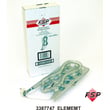
Dryer Heating Element By Whirlpool
In Stock
$68.68
8% OFF Phone Price : $74.68
Qty
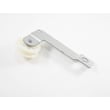
Whirlpool Dryer Idler Pulley
In Stock
$21.70
22% OFF Phone Price : $27.70
Qty
Troubleshooting common Equator dryer issues
Equator dryers are known for their compact designs and efficiency. But like any appliance, they can experience occasional problems. Here’s what to check when your dryer isn’t running properly.
Dryer won’t start
If your electric dryer shows no signs of power, the issue could be as simple as a tripped breaker or blown fuse. A failed door switch or broken timer may also prevent startup. Go through these dryer troubleshooting steps to help diagnose the issue in electric models. For gas units, gas dryer troubleshooting can help you figure out why the dryer isn’t starting.
Dryer runs but doesn’t heat
If your electric model tumbles but won’t warm up, a faulty heating element or thermal fuse may be the cause. Check the electric dryer not heating steps to narrow it down. Gas dryer heating issues can be caused by failed igniters or valve coils.
Dryer takes too long to dry
Poor airflow often leads to long dry times or damp clothes at the end of a cycle. Built-up lint in the vent or exhaust duct is a common culprit. Routine dryer cleaning and maintenance can improve drying performance and reduce fire risk. Using a dryer lint brush helps reach lint deep in the vent path.
Commonly replaced Equator dryer parts
- Heating element – Creates heat in electric models. A burned-out element leaves clothes cold and damp.
- Igniter – Controls ignition in gas models. If it doesn’t glow or spark, the gas valve won’t open.
- Thermal fuse – Blows when the dryer overheats, often cutting power to the motor or heat circuit.
- Drum belt – Keeps the drum turning. A broken belt means the motor runs, but the drum doesn’t move.
- Door switch – Stops the dryer when the door is open. A faulty switch can prevent startup altogether.
Why use OEM Equator dryer parts from Sears PartsDirect?
Genuine Equator dryer parts are made to fit your model exactly, with no guesswork. Sears PartsDirect provides illustrated part diagrams, reliable troubleshooting support, and fast access to the parts you need. Whether you’re replacing a door switch, heating element, or igniter, you’ll get the right part the first time.
Equator dryer FAQs
Can I stack an Equator dryer on top of my washer?
Yes, many Equator models are designed for stacking. Use the manufacturer’s stacking kit to ensure safety and proper alignment.
How do I know if my thermal fuse is blown?
If the dryer won’t heat or start, a blown thermal fuse could be to blame. You’ll need a multimeter to test continuity and confirm the fuse’s condition.
How often should I clean my dryer vent?
Clean the lint trap after every load, and clean the full vent system at least twice a year—or more often if drying takes longer than usual.
Why does my Equator dryer shut off before the cycle is done?
This could indicate a clogged vent, faulty thermostat, or overheating issue. Inspect the vent path first and perform basic cleaning before replacing parts.
Where can I find my dryer’s model number?
Look inside the dryer door frame or along the rear panel for a model number label. Enter this number at Sears PartsDirect to find compatible parts.
Parts & More
Bottom-Mount Refrigerator
Built-In Microwave
Dishwasher
Electric Chainsaw
Freestanding Freezer
Front-Engine Lawn Tractor
Gas Snowblower
Gas Walk-Behind Mower
Side-By-Side Refrigerator
Table Saw
Warming Drawer
Water Heater