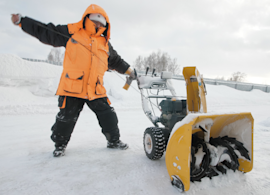
Owner’s manual
 View engine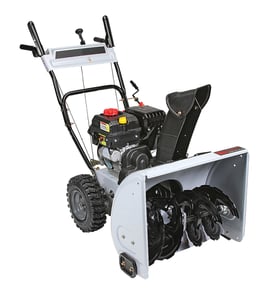


How long should a gas snowblower last?
A gas snowblower like Craftsman model 247889720 typically lasts 10 to 15 years with normal seasonal use and consistent maintenance. Keeping the auger, drive system, and wear items in good shape is what most directly determines whether you reach the high end of that range.
What affects lifespan the most
- Maintenance frequency: oil changes, spark plug checks, and lubrication on schedule
- Storage habits: dry storage and fuel management during the off-season
- Snow conditions: heavy, wet snow and gravel driveways increase wear
- Wear parts condition: belts, cables, skid shoes, and scraper blade
- Operator habits: avoiding impacts and clearing jams safely
Maintenance that adds years (high impact)
Use the maintenance intervals and procedures in the 247889720 owner’s manual. Focus on these items:
- Change engine oil at the recommended interval
- Check and replace the spark plug when starting becomes harder
- Keep the auger and chute moving freely; lubricate pivot points as needed
- Inspect belts for glazing, cracking, or slipping
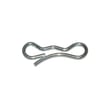
- Keep fasteners tight and replace missing hardware (nuts, cotter pins) promptly
Common “end-of-life” symptoms vs. fixable issues
| Symptom | Most common cause | Usually fixable? |
|---|---|---|
| Poor throwing distance | Worn shear pins, auger not fully engaging | Yes |
| Won’t move or slips under load | Worn drive belt or friction drive wear | Yes |
| Auger won’t engage | Cable out of adjustment or stretched | Yes |
| Excessive vibration | Bent auger, damaged shear pin setup | Sometimes |
Parts that commonly extend service life
Replacing wear items early prevents bigger damage:
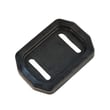
- Skid shoes: mtd snowblower skid shoe 731-06439
- Scraper blade: snowblower scraper blade 790-00121-4044
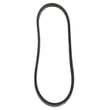
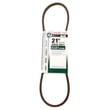
- Drive belt: lawn & garden equipment belt 954-04260
Why it matters
A snowblower that is maintained and repaired as wear shows up costs less over time and stays safer to operate. Small parts like skid shoes and belts protect expensive components like the auger housing, gearbox, and drive system.
Last updated: February 2026
How to get rid of an old snowblower?
For a Craftsman snow thrower model 247889720, the best way to get rid of an old snowblower is to drain fuel and oil first, then choose the option that fits its condition: donate or sell if it runs, recycle or scrap if it does not, or schedule bulky pickup or junk removal for convenience. See the 247889720 owner's manual for model-specific safety and handling guidance.
Best disposal options (pick what matches the condition)
- Working and safe to use: sell locally or donate to a charity or community program.
- Not running but repairable: list it “for parts” (many people want the auger, wheels, and controls).
- Beyond repair: take it to a metal recycler/scrap yard or a small engine equipment recycler.
- No way to haul it: schedule city bulky-item pickup or use a junk removal service.
- Seasonal cleanup: some areas run special drop-off events for gas-powered outdoor equipment.
Prep steps before you move or dispose of it
- Run the engine dry or drain the fuel tank into an approved gas container.
- Drain engine oil into a proper oil drain pan and recycle the oil.
- Let the unit cool completely before transport.
- Clean packed snow and debris from the auger housing and chute.
- If you are keeping it for parts, remove usable wear items such as the shear pins (example: Craftsman snowblower shear pin 738-04124A).
Where each fluid typically goes
| Item to remove | How to handle it | Where it usually goes |
|---|---|---|
| Gasoline | Store in approved container | Household hazardous waste or fuel recycling program |
| Engine oil | Drain into sealed jug | Auto parts store or municipal oil recycling |
| Grease and residue | Wipe up with absorbent | Trash (follow local rules) |
Why it matters
Gasoline and oil can leak during transport and create fire risk and environmental damage. Draining fluids also makes the snowblower lighter, cleaner, and easier for a recycler, donation center, or hauler to accept.
Last updated: February 2026
How to tell if a snowblower auger belt is bad?
On the Craftsman 247889720 snow thrower, a bad auger belt shows up as visible belt damage (cracks, fraying, glazing) and as poor auger performance (augers hesitate, stop under load, or the machine throws snow weakly). A hot rubber smell during use also points to belt slip.
Quick signs the auger belt is failing
- Cracks across the ribs or on the belt’s flat side
- Frayed edges or cords showing
- Shiny, glazed surface (belt looks slick)
- Missing chunks or uneven wear
- Auger starts turning but slows or stops in heavy snow
- Squealing, chirping, or a burning rubber odor when the auger is engaged
Simple checks you can do (no special tools)
- Shut the engine off and remove the key. Wait for all moving parts to stop.
- Remove the belt cover as shown in the 247889720 owner’s manual.
- Inspect the belt and pulleys for rubber dust, oil/grease contamination, and wobbling pulleys.
- Engage the auger control (engine off) and watch linkage movement; excessive slack often means the belt is stretched or the cable needs adjustment.
Belt condition vs. what you feel while blowing snow
| What you notice | Most likely cause | What to do next |
|---|---|---|
| Auger works in light snow but stalls in heavy snow | Belt slipping (stretched or glazed) | Inspect belt; check tension/adjustment |
| Loud squeal when engaging auger | Belt slip or pulley issue | Inspect belt and pulleys; replace worn belt |
| Weak throwing distance with normal engine speed | Belt slip or auger not fully engaged | Check belt condition; check cable adjustment |
| Burning rubber smell | Severe belt slip | Stop use; inspect belt and pulleys |
Related adjustments that mimic a “bad belt”
Sometimes the belt is fine, but it is not being tightened enough.
- Auger clutch cable out of adjustment
- Idler pulley not applying enough tension
- Frozen or binding auger components (ice buildup)
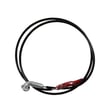
If your auger engagement feels loose at the handle, inspect and adjust the snowblower auger clutch cable 946-04230A.
Why it matters
A slipping auger belt reduces throwing performance and can overheat, glaze, and fail suddenly. Catching belt wear early also helps protect pulleys, idlers, and the auger drive system.
Last updated: February 2026
How to tell year of Craftsman snowblower by serial number?
On Craftsman snow thrower model 247889720, the most reliable way to determine the build year is to decode the manufacturing date embedded in the serial number (often the first 5 characters on MTD-built units). We use the date code to identify the year, then confirm it against the model and parts list in the 247889720 owner's manual.
Where to find the serial number
Most Craftsman snowblowers place the model and serial label in one of these spots:
- On the rear of the frame near the wheels
- On the right or left side of the auger housing
- Near the engine mounting area
- On the handle support or control panel area
How the serial number date code is commonly formatted
Many Craftsman snowblowers were manufactured by MTD; those serial numbers commonly include a build date code near the beginning.
Typical MTD-style pattern (common example):
- 2nd character = month (A = Jan, B = Feb, …, L = Dec)
- 3rd and 4th characters = day of month (01 to 31)
- 5th character = year within a decade (for example, 1, 2, 3)
Quick decode table (month letter)
| Letter | Month |
|---|---|
| A | January |
| B | February |
| C | March |
| D | April |
| E | May |
| F | June |
| G | July |
| H | August |
| I | September |
| J | October |
| K | November |
| L | December |
Confirming the decade (the step that prevents wrong years)
The “year within a decade” digit is the part that causes confusion. We confirm the decade by matching what you decoded to what fits your machine’s design and parts.
Use these checks:
- Compare your decoded date to the engine family and control style on the unit
- Cross-check the parts used on your snowblower (belts, cables, chute controls) against the model listing
- If your auger or drive controls were updated, verify cable style and routing
If you are troubleshooting while you confirm the year, these model-matched parts are commonly involved in drive and auger complaints:
- Snowblower auger clutch cable 946-04230A (auger engagement)
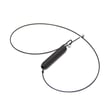
- Mtd snowblower drive cable 946-05067 (wheel drive engagement)
- Lawn & garden equipment belt 954-04260 (drive system belt)
Why it matters
The correct year helps us match the right Craftsman parts and diagrams for model 247889720, especially for mid-season design changes like cable lengths, belt routing, and chute control hardware.
Last updated: February 2026
Should I spray my snowblower with WD-40?
Yes; for a Craftsman snow thrower model 247889720, a light spray on the chute interior and discharge area can help reduce snow sticking and clogging. We avoid spraying it on belts, friction surfaces, and control cables; use the lubrication and maintenance guidance in the 247889720 owner’s manual.
Where WD-40 helps (and where it does not)
Use it only on surfaces where you want snow to slide, not on parts that must grip.
- OK to spray lightly: chute interior, chute deflector, auger housing interior (when dry)
- Do not spray: drive belt area, friction wheel area, pulleys, tires, skid shoes contact surfaces
- Avoid soaking: control cables and springs (it can attract grit and wash out proper lubrication)
- Never spray a hot engine: let the muffler and engine cool first
- Keep off rubber: especially the friction wheel rubber and belts
Safer alternatives for anti-stick performance
Many owners prefer a dry or waxy coating that does not stay oily.
| Option | Best for | Notes |
|---|---|---|
| Silicone spray | Chute anti-stick | Dries cleaner than oily sprays |
| Paste wax (car wax) | Chute and housing | Longer-lasting; apply to clean, dry metal |
| Polymer “snowblower chute spray” | Heavy, wet snow | Often the longest-lasting anti-stick |
| Light oil spray | Short-term anti-stick | Can collect dirt; reapply more often |
Quick steps (5 minutes)
- Shut the snowblower off, remove the key (if equipped), and let everything cool.
- Brush out packed snow and wipe the chute dry.
- Spray a thin, even coat inside the chute and on the deflector.
- Cycle the chute control to spread the coating.
- Wipe overspray off painted areas and any nearby rubber parts.
Why it matters
Anti-stick coating reduces chute clogging, improves throwing distance in wet snow, and can help limit surface rust on the chute and auger housing during storage.
Last updated: February 2026
What are common Craftsman snowblower problems?
Common problems on the Craftsman 247889720 snow thrower fall into four buckets: no-start or rough running, auger not turning or not throwing snow, drive wheels not pulling, and chute or scraping issues. Most fixes start with basic fuel and ignition checks, then move to cables, belts, and shear pins; see the 247889720 owner's manual for model-specific adjustments.
Quick symptom-to-cause checklist
- Engine will not start / runs rough: stale fuel, dirty carburetor, fouled spark plug
- Auger will not turn: broken shear pin, jammed auger, loose or stretched auger cable
- Auger turns but throws poorly: clogged chute, worn scraper or skid shoe height set wrong
- Unit will not drive / slips: worn drive belt, friction wheel wear, drive cable out of adjustment
- Chute will not rotate or aim: binding linkage, worn chute gearbox components
Parts that commonly solve these issues
If the symptom matches, these are frequent wear items for this model:
- Auger engagement problems: snowblower auger clutch cable 946-04230A
- Drive engagement problems: mtd snowblower drive cable 946-05067
- Auger stops suddenly after hitting ice or debris: Craftsman snowblower shear pin 738-04124A
- Poor scraping or leaving snow behind: snowblower scraper blade 790-00121-4044
- Slipping drive or inconsistent speeds: lawn & garden equipment belt 954-04260
What to check first (fast, no parts)
- Turn the engine off and remove the spark plug wire before inspecting the auger or belts.
- Clear packed snow from the chute and auger housing.
- Confirm the auger and drive controls fully engage and return freely.
- Inspect shear pins for breaks or missing hardware.
- Check cable tension and handle linkage for slack.
Common fixes at a glance
| Symptom | Most likely area | Typical fix |
|---|---|---|
| No start | Fuel/ignition | Fresh fuel, clean carburetor, check spark plug |
| Auger not turning | Shear pins/cable | Replace shear pin, adjust/replace auger cable |
| Won’t drive | Belt/friction wheel/cable | Replace belt, inspect friction wheel, adjust drive cable |
| Poor clean-up | Skid shoes/scraper | Adjust skid shoes, replace scraper blade |
Why it matters
Catching a stretched cable, worn belt, or missing shear pin early prevents bigger damage to the auger gearbox, drive system, and chute components, and it restores safe control in heavy snow.
Last updated: February 2026
Where is the serial number on a snowblower?
On the Craftsman snow thrower model 247889720, the serial number is on the model and serial number tag (ID plate) attached to the machine. On most snowblowers, this tag is typically found on the rear of the unit near the handles, or on the back or side of the frame. For model-specific label locations and diagrams, use the 247889720 owner’s manual.
Common places to check on a snowblower
Look for a metal or durable sticker-style tag in these spots:
- Rear of the snowblower frame, below the handlebar area
- Left or right side of the main frame near the engine
- Behind the engine, facing the operator position
- Near the auger housing support area (side plate area)
- On the underside of the control panel area (less common)
What numbers you should write down
Most ID plates include multiple identifiers. Record all of these so we can match the correct parts list:
- Model number (for example, 247889720)
- Serial number (unique to your unit)
- Date code or manufacturing code (if shown)
Quick ID guide
| Label item | What it’s used for | Why it matters |
|---|---|---|
| Model number | Identifies the snowblower design | Ensures diagrams and parts match your unit |
| Serial number | Identifies your exact unit | Helps confirm production run and revisions |
| Date/manufacturing code | Indicates build period | Useful when parts changed mid-production |
Tips to find it faster
- Wipe off packed snow, salt, and grime; the tag is often hidden by buildup.
- Use a flashlight and look for a reflective sticker or stamped plate.
- Take a photo of the tag so you do not misread digits.
Why it matters
Craftsman snowblowers can have part changes by production run; using the correct serial number helps us match the right drive parts, auger parts, and hardware the first time.
Last updated: February 2026