 Owner’s manual
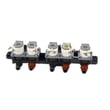


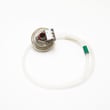
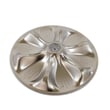
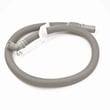
Can I fix the de error myself?
Yes, in many cases you can fix a DE (drain error) yourself on your LG WT1501CW washer by correcting a drain restriction or a drain hose installation issue. If the washer still will not drain after basic checks, the most likely repair is cleaning the drain path or replacing the drain pump.
What to try first (no parts)
- Unplug the washer for 1 minute, then plug it back in and try Drain/Spin.
- Check the standpipe or laundry tub for a slow drain or backup.
- Inspect the drain hose for kinks, crushing, or being pushed too far down the standpipe.
- Make sure the drain hose is secured and not airtight in the standpipe (it needs an air gap).
- If the tub is full of water, bail out water first to avoid spills during checks.
Parts to suspect if it still will not drain
If the hose and household drain are OK, the issue is usually inside the washer: a clogged pump inlet, debris in the drain path, or a failing pump motor.
Quick symptom-to-cause guide
| What you notice | Most common cause | What we recommend |
|---|---|---|
| Hums but won’t drain | Pump jammed or failing | Check for debris; replace pump if needed |
| Drains slowly | Partial clog or restricted hose | Clear hose/standpipe; inspect drain path |
| Drains sometimes | Intermittent pump or loose connection | Inspect wiring and pump; replace if inconsistent |
Why it matters
A drain error stops the cycle to prevent overflow and protect the motor and control from running with standing water. Fixing the drain path quickly helps prevent odors, poor rinsing, and repeat shutdowns.
Model-specific help
For control panel steps, error code behavior, and safe access guidance for your exact washer, use the WT1501CW manual.
Last updated: January 2026
What is the most common problem with LG washer top load?
For the LG WT1501CW top-load washer, the most common issues we see are drain and spin problems caused by overloading, an out-of-balance load, or a restriction in the drain path. Start with load size and hose checks, then move to component testing using the WT1501CW manual.
Quick checks that fix many drain/spin complaints
- Reduce the load size; bulky items can prevent proper spin and leave water behind.
- Redistribute the load evenly (especially towels, blankets, and mixed heavy/light items).
- Verify the drain hose is not kinked, crushed, or pushed too far down the standpipe.
- Make sure the lid closes fully; a lid safety issue can stop spin.
- Run a rinse and spin cycle after correcting the load to confirm the fix.
Parts that commonly relate to “won’t drain” or “won’t spin”
If the basics look good and the washer still will not drain or spin, these model-compatible parts are common suspects:
| Symptom you notice | Likely area | Example compatible part for WT1501CW |
|---|---|---|
| Hums but won’t drain, drains slowly | Drain system | Washer drain pump assembly 5859EA1004P |
| Water backs up or leaks at the back | Drain hose routing/condition | Washer drain hose AEM73732901 |
| Won’t spin and seems to stop when lid is moved | Lid safety circuit | Washer lid switch EBF61215202 |
Why it matters
Drain and spin problems are often “simple” (load size, balance, hose routing), but if they continue, the washer can leave clothes soaking wet, extend cycle times, and strain the drive and drain components.
Helpful related troubleshooting
- Use error-code guidance to narrow the cause quickly: LG top load washer error codes
- For balance-related spin interruptions: LG top load washer ue and ue error codes
Last updated: January 2026
What is the capacity of the LG wt1501cw washer?
For LG washer model WT1501CW, we can’t confirm the exact tub capacity from the model-specific information available here (capacity is often listed on a product spec label or in certain versions of the literature). The best next step is to verify it in the WT1501CW manual or on the washer’s rating label.
How to verify capacity on your WT1501CW
Use these common, model-appropriate checks:
- Check the rating label (often under the lid, around the lid opening, or on the rear panel).
- Look in the specifications section of the WT1501CW manual.
- If your washer has a model suffix (for example, WT1501CW/00), match that suffix when comparing specs.
- Avoid relying on “family” specs from similar LG models; capacities can vary by revision.
What to do if you mainly need load-size guidance
Even without a confirmed cubic-foot number, you can load a top-load LG washer effectively by leaving room for turnover.
| Load type | Practical loading target | What to avoid |
|---|---|---|
| Mixed everyday load | Items loosely to the top of the basket | Packing items down tightly |
| Bulky items | 1 bulky item plus 1-2 smaller items to balance | One heavy item by itself |
| Towels/jeans | Medium load, evenly distributed | Mixing heavy items with very light items |
Why it matters
Capacity affects cleaning and spin balance. Overloading can cause poor turnover, out-of-balance spinning, and extra strain on drive components.
If you’re seeing slipping, poor agitation, or grinding at the bottom of the basket, a worn washplate can be a factor; the compatible replacement for this model is the washer washplate AGZ72909711.
Last updated: January 2026


