- Kenmore refrigerator water filters
- Whirlpool refrigerator water filters
- Samsung refrigerator water filters
- GE refrigerator water filters
- LG refrigerator water filters
- Frigidaire refrigerator water filters
- KitchenAid refrigerator water filters
- Maytag refrigerator water filters
- Kenmore Elite refrigerator water filters
- Estate refrigerator water filters
- GE Profile refrigerator water filters
- Amana refrigerator water filters
- Bosch refrigerator water filters
- Dacor refrigerator water filters
- Electrolux refrigerator water filters
Top DIY repair help
View All Repair Categories
Appliances
Lawn & Garden
Power Tools
Home Improvement
Sports & Leisure
Heating & Cooling
How auto-load sensing washers work (and when they don't)
less than a minute readJul 23Lyle Weischwill
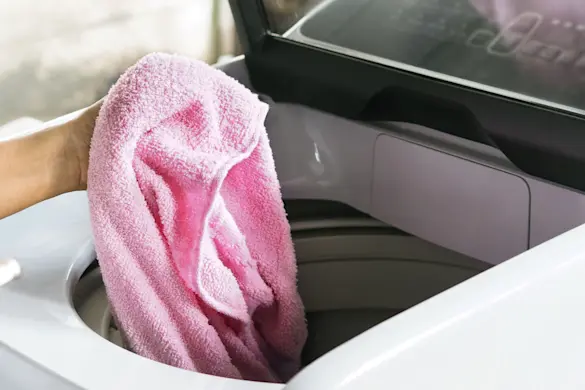
Modern washers have gotten pretty smart. With features like auto sensing and Precise Fill, they can figure out how much water to use without you having to guess. But sometimes that "smart" washer seems to barely fill with water or seems stuck in a cycle that takes forever to decide what to do.
Auto sensing and Precise Fill are meant to make laundry simpler, but when something goes wrong, they can be confusing. Fortunately, most load-sensing issues are minor and easy to correct without a service call.
What is auto sensing on a washing machine?
Auto sensing (also known as load sensing or automatic water level sensing) is a feature that helps modern washers adjust the water level based on what’s inside the tub. Instead of you selecting the load size, the washer uses built-in sensors to figure it out for you.
Here’s what the washer typically detects during auto sensing:
Load size: The washer senses how heavy the load is once water starts to fill and the tub begins to agitate.
Fabric type: Heavier fabrics like towels absorb more water than lighter ones like T-shirts or synthetic blends.
Water absorption rate: The washer monitors how quickly the load soaks up water to determine how much more is needed.
Based on this input, the washer automatically adjusts the water level to provide just enough to get the job done efficiently. The benefits? You save water, reduce energy usage, and don’t have to guess whether to choose "small," "medium," or "large" every time you do a load.
What does Precise Fill mean on a washer?
"Precise Fill" is GE’s branded term for what many other washers call auto sensing. It’s the same idea; your washer decides how much water to use based on the size and type of the load.
With Precise Fill, the washer doesn’t ask you to choose a load size. Instead, it fills just enough water to match the weight and fabric absorbency of what’s in the drum. A small load of lightweight T-shirts might trigger only a few inches of water, while a heavy load of towels gets more.
The goal is to take the guesswork out of choosing the right setting while saving water and energy. It’s automatic, efficient, and when it works correctly, almost effortless.
How load-sensing works during a cycle
Auto-sensing washers use a sequence of motions and pauses to figure out exactly how much water your laundry needs. Here’s a look at what’s happening under the lid:
1. You add the load. Toss in your clothes as usual. There’s no need to select a load size.
2. You close the lid and start the cycle. Once the cycle begins, the washer doesn’t immediately start filling with water.
3. The washer spins slowly. This low-speed rotation helps estimate the weight and distribution of the load. It also checks for balance so the washer can adjust later if needed.
4. Water fills to the sensed level. Based on weight, fabric type, and absorption, the washer adds just enough water for that specific load.
In some cases, the washer may pause during agitation or fill stages to reassess or adjust. These pauses and small water additions are normal. It’s the machine fine-tuning for best cleaning and efficiency.
When auto sensing works well
Auto sensing shines when your laundry loads vary in size, fabric type, or soil level. It takes the guesswork out of how much water to use, and often does a better job than selecting a preset level.
Here are some examples of when it performs best:
Mixed fabrics: When you’ve got a load with jeans, T-shirts, and towels all mixed together, the washer can sense how much water is needed to fully saturate everything without overfilling.
Half loads or smaller: Instead of wasting a full tub of water, the washer only adds what’s needed to clean a partial load.
Heavily soiled items: For dirtier laundry, the sensing system often adds extra agitation or slightly more water to help lift soil effectively.
When everything’s working properly, auto-sensing can save water and energy while still delivering a thorough clean. It’s especially helpful if your laundry habits aren’t always predictable.
Common complaints with auto-sensing
While auto sensing is designed to simplify laundry day, it doesn’t always feel that way. When something seems off, it’s usually one of these issues:
Loads don’t seem fully submerged: Auto-sensing washers use just enough water to saturate the load, not drown it. That can look strange if you’re used to seeing clothes fully underwater, especially in top-load machines.
Washer adds too little or too much water: If the washer misreads the load size, it might underfill or overfill. Unevenly distributed laundry, tangled items, or bulky pieces like comforters can confuse the sensors. If the washer won't fill at all, you may need to do some troubleshooting.
Sensing takes too long: Some washers spend 2–4 minutes spinning slowly, filling a little, then spinning again before the cycle actually starts. It’s normal, but it can feel like a delay if you’re in a hurry.
Washer fills, pauses, and spins again before washing starts: This process is part of how the washer gauges weight and balance. It may repeat several times before settling on a water level and beginning agitation.
Most of these quirks are built into how the washer thinks, and while they’re often harmless, they can still be annoying if you’re not expecting them.
What to do if your washer’s Precise Fill or auto sensing seems off
If your washer isn’t filling as expected or the sensing cycle seems erratic, try these quick checks before calling for service:
Don’t overload or underload the washer. Sensors rely on detecting weight and movement. A nearly empty drum or a packed one can throw off the readings.
Avoid tightly packed or tangled loads. Items wrapped around the agitator or balled up in a corner can prevent the washer from sensing correctly. Loosely loaded clothes improve sensor accuracy and help your washer run more efficiently.
Use the right cycle. Some settings (like bulky or deep fill) may override auto sensing, while others rely on it. Double-check your cycle selection if something seems off.
Clean the inlet screens and dispenser area. Low water pressure or detergent buildup can affect performance. Clearing these areas can help restore proper operation. If cleaning doesn’t help, you may need to replace the washer’s water inlet valve.
Try resetting the washer. Unplug the washer for one minute, then plug it back in. Some models may have a specific reset procedure in the user manual.
If none of these fixes help, check for error codes that could point to a faulty sensor or control board issue. Auto sensing is smart, but like all tech, it needs a little help when things go sideways.
When to switch to manual fill or Deep Fill
Some washers give you the option to override auto sensing by selecting a manual water level or a Deep Fill setting. This can be especially helpful when:
You’re washing bulky, absorbent items like towels, comforters, or blankets that need more water to get fully saturated.
Extra rinsing is needed to remove detergent from heavily soiled or sudsy loads.
Auto sensing consistently underfills, leaving parts of the load dry or barely agitated.
Deep Fill gives the washer more water from the start, bypassing load sensing and making sure everything gets evenly soaked.
Auto sensing and Precise Fill features are designed to make laundry simpler and more efficient, reducing water waste and guesswork. But when they don't behave as expected, the fix is often something as simple as a reset, a different cycle, or adjusting how you load the washer.
Still having issues? Visit our washer DIY repair help page for troubleshooting tips, maintenance guides, and part replacement support.