Owner’s manual


What is the capacity of the WA45H7000AW?
The Samsung WA45H7000AW top-load washer is a 4.5 cu. ft. capacity model, which is considered a large-capacity washer for handling bulky loads like comforters and towels. For the exact feature set and cycle details tied to your unit, use the WA45H7000AW owner's manual.
What “4.5 cu. ft.” means in real use
A 4.5 cu. ft. washer typically supports larger loads, but performance still depends on fabric type, soil level, and cycle selection.
- Fits bulky items (queen comforter, blankets) more comfortably than smaller tubs
- Handles larger mixed loads (towels, jeans) with fewer cycles
- Helps reduce overloading, which improves spin and rinse results
- Works best when you load loosely and keep items below the top of the tub ring
Quick capacity guide
| Washer capacity | Best for | Typical household fit |
|---|---|---|
| 3.5 to 4.2 cu. ft. | Medium loads | 1 to 3 people |
| 4.5 cu. ft. (WA45H7000AW) | Large loads, bulky items | 3 to 5 people |
| 5.0+ cu. ft. | Extra-large loads | 5+ people |
Why it matters
Capacity affects how much you can wash at once, but it also impacts cleaning and spin performance. Overfilling a large tub can still cause poor agitation, out-of-balance spinning, and longer dry times.
Related tips we recommend
- Use the cycle that matches the fabric and load size in the WA45H7000AW owner's manual
- If the washer shakes or shows balance-related errors, reduce load size and redistribute items
- For error-code help on Samsung top-load models, use Samsung top load washer error codes
Last updated: February 2026
What is the most common problem with Samsung washing machines?
The most common issues we see on Samsung washers like model WA45H7000AW are (1) excessive shaking or vibration during spin from an unbalanced load or leveling problem and (2) drain and spin failures caused by a clog or restriction in the drain path. Use the WA45H7000AW manual to match symptoms to the right checks.
Most common symptoms and what they usually mean
- Shakes or bangs in spin: load is off-balance, washer is not level, or suspension components are worn
- Stops mid-cycle or won’t spin out: lid lock not engaging, out-of-balance condition, or drain issue
- Won’t drain or leaves clothes soaking wet: drain pump obstruction, blocked drain hose, or pump failure
- Won’t fill or fills slowly: water supply valves closed, inlet screens clogged, or inlet valve issue
- Loud grinding or humming: something caught in the pump, or a failing pump/motor component
Quick checks we recommend first (fast, no parts)
- Redistribute the load: mix large and small items; avoid washing one heavy item alone.
- Level the washer: confirm all leveling legs are firmly on the floor and the cabinet is stable.
- Check the drain setup: make sure the standpipe is not sealed tight and the hose is not kinked.
- Listen during drain: a loud hum with little or no water flow points to a restriction or pump problem.
- Confirm lid lock behavior: if the lid won’t lock, the washer may refuse to spin.
When a part is commonly involved
If basic checks do not fix the problem, these parts are frequent culprits on top-load washers:
| Symptom | Common cause | Part to consider (if applicable) |
|---|---|---|
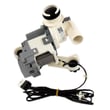
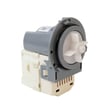
| Won’t drain / wet clothes | Pump jammed or failed | Washer drain pump DC31-00054D |
| Slow/no fill | Inlet valve or clogged screens | Samsung washer water inlet valve DC97-15459H |
| Excessive vibration | Worn dampers or leveling issue | Washer damper DC97-16350E; leveling leg DC61-01722B |
Why it matters
Ignoring vibration and drain problems can lead to repeated out-of-balance shutdowns, poor cleaning, and extra wear on the tub, suspension, and drive system. Fixing the root cause early helps the washer spin correctly and protects major components.
Last updated: February 2026
Is the Samsung 4.5 front load washer any good?
The Samsung WA45H7000AW is a 4.5 cu. ft. top load washer (not a front load). For a washer in this class, it’s a solid choice when it’s installed level and maintained; most owners value the capacity and cleaning performance, while the most common complaints involve out-of-balance vibration and draining or spin issues.
What “good” usually means for this washer
When customers ask if a washer is “any good,” we look at the things that most affect day-to-day results:
- Cleaning and capacity: 4.5 cu. ft. handles bulky loads better than smaller tubs.
- Noise and vibration: performance depends heavily on leveling and load balance.
- Spin-out and drain performance: slow draining can leave clothes wetter.
- Controls and usability: cycle selection and user interface reliability matter.
- Long-term upkeep: periodic cleaning and checking hoses helps prevent problems.
Quick reality check: top load vs front load
| Item | WA45H7000AW | Why it matters |
|---|---|---|
| Load style | Top load | Different wash action and common issues than front load models |
| Common complaint pattern | Vibration on spin, wet loads | Often tied to leveling, load size, or drain restrictions |
| Maintenance focus | Tub cleaning, drain path, inlet screens | Prevents odors, slow fill, and slow drain |
If you’re seeing the “bad” symptoms, start here
These steps fix a large share of performance complaints without replacing parts:
- Confirm the washer is level and stable on the floor; adjust legs as needed.
- Avoid mixing one heavy item (blanket) with light items; balance the load.
- Use the correct cycle and spin setting for the fabric type.
- Check the drain hose for kinks and make sure the standpipe height is reasonable.
- If the washer won’t drain or leaves water behind, inspect the pump area and consider a drain pump issue.
If draining is slow or the tub won’t empty, a common repair is replacing the drain pump; for this model we often see the washer drain pump DC31-00054D used in drain-related fixes.
Why it matters
A washer can seem “bad” when it’s actually dealing with installation or maintenance issues. Getting the WA45H7000AW level, loading it correctly, and keeping the drain and fill paths clear protects the drive system, improves spin results, and reduces vibration.
For cycle guidance, error code meanings, and care recommendations specific to this model, use the WA45H7000AW owner's manual.
Last updated: February 2026