Owner’s manual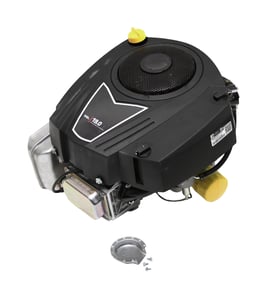




What is the gas mixture for a snow blower?
For the MTD 270-QU snowblower engine, use fresh automotive gasoline (minimum 87 octane) and do not mix oil into the gas. This engine is designed to run on straight gas (not a 2-cycle fuel/oil mix); avoid E15 and E85 fuels.
Fuel type and what to avoid
Use clean, fresh fuel to protect the carburetor and make cold starts easier.
- Use unleaded gasoline, 87 octane or higher
- Use gasoline with up to 10% ethanol (and up to 15% MTBE)
- Do not use E15 or E85
- Do not use an oil/gasoline mixture
- Avoid gasoline older than 30 days unless treated with fuel stabilizer
Quick reference table
| Item | What to use | What to avoid |
|---|---|---|
| Octane | 87+ | Lower than 87 |
| Ethanol content | Up to 10% | E15, E85 |
| Mix ratio | No mix (straight gas) | Any gas/oil mix |
| Fuel freshness | Fresh, clean fuel | Dirty fuel, water contamination, stale fuel |
Why it matters
Using the wrong fuel (especially E15/E85, stale gas, or a gas/oil mix) commonly leads to hard starting, rough running, and carburetor problems. Correct fuel helps the primer system and choke work as intended during cold starts.
Helpful related checks (if it still runs poorly)
If you have hard starting or surging even with the right fuel, these quick checks often help:
- Drain old fuel and refill with fresh 87+ octane gasoline
- Inspect the fuel line for cracks or leaks
- Check the spark plug condition and gap
- Make sure the choke and throttle linkages move freely
- If the engine floods easily, inspect carburetor gaskets and seals
For model-specific operating and fueling details, follow the MTD 270-QU owner’s manual.
Last updated: January 2026
Should I use 87 or 91 for snowblower?
For the MTD 270-QU engine, use fresh automotive gasoline with a minimum of 87 octane. Using 91 octane does not improve starting, power, or reliability on this engine; fuel freshness and the correct ethanol blend matter more than higher octane. See the 270-QU owner's manual for the fuel requirements and warnings.
Fuel to use (and what to avoid)
Use fuel that matches these guidelines to protect the carburetor and prevent hard starting:
- Octane: 87 minimum (regular unleaded)
- Ethanol content: Up to 10% ethanol is acceptable
- Do not use: E15 or E85
- Do not use: Dirty fuel, oil and gasoline mix, or gasoline older than about 30 days unless stabilized
- Keep it clean: Prevent dirt, dust, or water from getting into the fuel tank
Quick comparison: 87 vs 91 in a snowblower
| Fuel choice | Works in MTD 270-QU? | Benefit | Best use case |
|---|---|---|---|
| 87 octane (regular) | Yes | Meets the engine requirement | Everyday operation |
| 91 octane (premium) | Yes | No added performance on this engine | Only if it is the freshest fuel available |
Storage and “won’t start” prevention tips
Most snowblower fuel problems come from stale gas and varnish in the carburetor, not low octane. We recommend:
- Add a fuel stabilizer if the machine will sit for more than a few weeks
- Shut off the fuel (if equipped) and run the engine until it stops to reduce carburetor gumming
- If the engine starts only with priming or runs rough, inspect the fuel system for leaks or restrictions
- Replace a damaged primer bulb or leaking fuel line so the carburetor can prime correctly
- If you suspect a carburetor leak at the mounting surface, replace the gasket instead of using sealant
Helpful parts for common fuel and starting issues include the carburetor gasket 751P11567B and the snowblower throttle return spring 751P10664A.
Why it matters
Using the correct fuel (87 octane minimum and no E15/E85) helps prevent carburetor damage, hard starting, and poor running. Fresh, stabilized fuel also reduces downtime during the first cold start of the season.
Last updated: January 2026
How many HP is a 243cc snow blower?
A 243cc snowblower engine is typically in the 7 to 9 HP range in real-world output. For the MTD 270-QU engine family (covered with other 243cc variants), the most accurate way to compare power is by cc, torque, and governed RPM, not the “HP” name used in some snowblower model marketing. See the 270-QU operator’s manual for the engine identification details and operating specs.
Why “243cc” does not equal one exact horsepower number
Horsepower depends on torque and engine speed, and snowblower engines are usually governed to a set RPM for durability and safe operation.
Common reasons HP varies between 243cc engines:
- Different carburetor calibration and governor settings
- Different emissions configurations and muffler design
- Altitude and temperature (cold air helps, high altitude hurts)
- Engine condition (compression, spark, fuel quality)
- Marketing labels on the snowblower (often a model series name, not measured HP)
Practical ways to compare power (what matters in snow)
If you are deciding whether a 243cc engine is “enough,” these are the most useful comparisons:
- Displacement (cc): good baseline for class of engine
- Torque rating: best single-number comparison when available
- Auger/impeller performance: how well it throws heavy, wet snow
- Drive system traction: tires, tread, and weight matter as much as engine size
Quick reference: typical 2-stage snowblower engine sizing
| Engine size | Typical HP range | Best for |
|---|---|---|
| 179cc to 208cc | ~5 to 7 HP | Light to moderate snow, smaller driveways |
| 243cc | ~7 to 9 HP | Moderate to heavy snow, wider clearing paths |
If your 243cc snowblower feels underpowered
These checks often restore performance without major engine work:
- Use fresh fuel and confirm the fuel shut-off valve is open (if equipped)
- Verify the primer and choke are used correctly for cold starts
- Replace the spark plug if it is fouled or worn
- Inspect for fuel leaks or cracked fuel line
- Check for carburetor issues; a leaking bowl gasket can cause poor running
If you are servicing the carburetor on this MTD engine, the lawn & garden equipment engine carburetor gasket 751P11567B is one of the common sealing parts used in the carburetor area.
Why it matters
Using realistic power expectations helps you choose the right machine and troubleshoot correctly. A healthy 243cc engine should maintain RPM under load and throw snow consistently; when it does not, fuel, ignition, or carburetion is usually the cause.
Last updated: January 2026
How long can gas sit in a snowblower?
For an MTD 270-QU snowblower engine, untreated gasoline should not sit in the tank for more than 15 to 30 days; if you expect 30 to 90 days of storage, treat the fuel with stabilizer, and if storage will be over 90 days, drain or run the engine out of fuel to prevent carburetor gumming. See the 270-QU owner's manual.
Quick storage timeline
| Inactivity time | What we recommend | Why |
|---|---|---|
| 0 to 15 days | Leave fresh fuel; keep the cap tight | Minimizes moisture and stale-fuel issues |
| 15 to 30 days | Add fuel stabilizer and run the engine 10 minutes | Gets treated fuel into the carburetor |
| 30 to 90 days | Stabilizer is required; store safely | Prevents deterioration and deposits |
| Over 90 days | Drain fuel or run until it stops from lack of fuel | Prevents gum and clogged fuel system |
Best practices to prevent hard starting
- Use fresh gasoline and avoid old fuel from a can that has been sitting.
- Add stabilizer at the mix ratio on the bottle; then run the engine at least 10 minutes.
- If your engine has a fuel shut-off valve, turn it off for transport and storage.
- Do not overfill the tank; leave room for fuel expansion.
- Wipe up spills and keep fuel away from ignition sources.
When stale fuel has already caused problems
If the snowblower starts only with primer, surges, or will not stay running, stale fuel often leaves varnish in the carburetor. These parts are commonly involved:
- Fuel line (cracked or restricted)
- Carburetor gaskets and insulator (air leaks)
- Primer system (won’t deliver fuel)
If you’re servicing the carburetor on this model, the lawn & garden equipment engine carburetor gasket 751P11567B and lawn & garden equipment engine carburetor insulator 751P11568A are common replacement items during reassembly.
Why it matters
Gasoline that sits too long breaks down and can form gum deposits that clog jets and passages. That leads to hard starting, poor throttle response, and carburetor repairs that are usually avoidable with stabilizer or proper draining.
Last updated: January 2026