- Kenmore refrigerator water filters
- Whirlpool refrigerator water filters
- Samsung refrigerator water filters
- GE refrigerator water filters
- LG refrigerator water filters
- Frigidaire refrigerator water filters
- KitchenAid refrigerator water filters
- Maytag refrigerator water filters
- Kenmore Elite refrigerator water filters
- Estate refrigerator water filters
- GE Profile refrigerator water filters
- Amana refrigerator water filters
- Bosch refrigerator water filters
- Dacor refrigerator water filters
- Electrolux refrigerator water filters
Top DIY repair help
View All Repair Categories
Appliances
Lawn & Garden
Power Tools
Home Improvement
Sports & Leisure
Heating & Cooling
How do I tune up my snowblower?
less than a minute readJun 04Lyle Weischwill
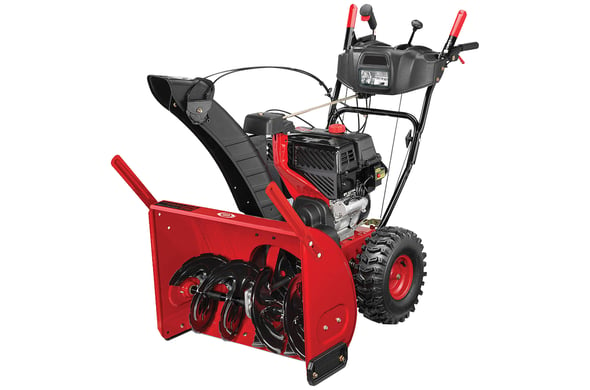
Tuning up your snowblower ahead of winter is always essential to efficient, trouble-free snow clearing all season long. Thorough maintenance and adjustment of your machine will keep it working smoothly in the harshest winter conditions.
Follow these guidelines for conducting a complete snowblower tune up of the engine and snow-clearing components.
Start by clearing fluids from the engine
Draining gas and oil from the engine will allow you to tip the snowblower over to perform thorough maintenance of auger and ground drive components later in the tune up.
Drain the gasoline from the fuel tank
Move your snowblower to a well-ventilated area and drain fuel from the gas tank.
Leave the tank empty for now as you complete the rest of the tune-up.
Once you finish the tune-up, filling the fuel tank with fresh gasoline will help your snowblower run efficiently and smoothly.
Drain oil from the engine
Leaving oil in the engine as you tip the snowblower over will cause engine to enter the cylinder.
Drain the oil and don’t refill it for now. You’ll refill the engine with oil as one of the last steps in the tune-up.
Replace the fuel filter
Most snowblower engine manufacturers recommend replacing the fuel filter at the beginning of every snow season. The engine will run smoothly and efficiently when gasoline flows freely through a fresh fuel filter.
Replacing the fuel filter is an advanced repair in some snowblower engines. Follow the steps in our Replacing the Fuel Filter on a Snowblower YouTube video to replace the fuel filter in a snowblower when the fuel filter is behind the engine shroud.
Check the fuel line
Harsh winter conditions can cause the fuel line to crack. A crack in the fuel line can cause the carburetor to suck in air instead of gasoline through the fuel line. The engine won’t start or it won’t run properly when the fuel line is cracked.
Thoroughly check the fuel line and replace it if you find cracks or damage.
Our DIY YouTube video Replacing a Snowblower Fuel Filter provides easy-to-follow steps the replacing the fuel filter in common snowblowers and snow throwers.
Replace the spark plug
A fresh sparkplug will provide dependable ignition for the engine cylinder. Pull the sparkplug and replace it with a new one. Be sure that you set the gap on the new spark plug to the right specification when installing it.
Follow the easy step-by-step DIY instructions in our How to Replace the Snowblower Spark Plug Repair Guide to properly install a new spark plug in your snowblower.
Inflate the tires
Check tire pressure and inflate both tires to the pressure recommended in your owner’s manual. Inflating the tires to the same pressure will help you accurate set the skid shoe height in the next maintenance step.
Adjust the skid shoes
Skid shoes attach to the side of the auger housing. The hard plastic skid shoes elevate the auger housing and scraper blade so they clear the ground, protecting them from wear and damage. The skid shoes slide along the ground so the snowblower moves smoothly.
The plastic skid shoes are designed to intentionally wear down as you use the snowblower. Adjust the skid shoes so the shave plate and sides of the auger housing stay about ¼-inch above the pavement or concrete surface. Our DIY YouTube video How to Adjust the Snowblower Skid Shoes shows how to properly set skid shoe height using a sheet of cardboard.
Lubricate the snow throwing components
Now it’s time to lubricate all of the parts that throw the snow.
Lubricate the auger shaft
Remove all the shear pins on the auger shaft. Spray a light coating of silicone lubricant inside the shaft and around the spacers and flange bearings.
Inspect the shear pins for wear or damage and replace them if necessary. Reinstall the shear pins and secure them with the cotter pins.
Lubricating the auger shaft will keep the auger from seizing up in the dead of winter.
Spray the auger housing and snow chute with SNOW-JET
SNOW-JET is a surface lubricant that keeps snow from sticking to auger housing and snow chute surfaces. You won’t have to worry about clearing clumps of snow from the auger housing and chute when you use SNOW-JET.
Grease the axle
Follow these steps to grease the axle:
Carefully tilt the snowblower on its nose. (This is why you emptied fluids from the engine.)
Using a socket wrench, remove one of the ground drive wheels.
Clean and coat the axle with multi-purpose automotive grease to keep it from rusting up.
Reinstall the wheel and secure it back on the axle.
Repeat the process on the other wheel.
Lubricate the hex drive shaft
You should coat the hex drive shaft with oil at least once per season or after every 25 hours of snowblower operation. Follow the steps in our YouTube DIY video How to Lubricate a Snow Blower Drive Hex Shaft to access and coat the shaft with oil.
Remove the lower frame cover from the underside of the snowblower.
Using a soft cloth, apply a coat of engine oil or 3-in-1 oil to the hex drive shaft. Be careful not to get oil on the aluminum drive plate or friction wheel. Oil on those components can cause ground drive problems.
Wipe off any excess or spilled oil from the shaft and surrounding area.
Reinstall the lower frame cover.
Lubricate the auger and drive controls
Tilt the snowblower upright and clean off any dust and dirt from the auger control and drive control pivots on the control panel. Spray the pivots with silicone spray to lubricate them and help prevent corrosion.
Next, clean and spray the auger cable bracket at the bottom of the snowblower. This will help the auger controls work smoothly.
Refill engine fluids
Now that you’ve finished all maintenance steps, you can fill the engine with oil and fill the fuel tank with fresh gasoline.
Test and adjust auger and drive controls
Take your snowblower outside and test out both handles under normal operation. If either handle control doesn’t work properly, you’ll need to adjust its cable.
If the augers spin with the auger control disengaged, follow the steps in our How to adjust a snowblower auger control video to adjust it.
If the snowblower creeps forward with the drive handle disengaged, watch this video to learn how to adjust the drive control: How to Adjust the Snowblower Drive Control.
With your snowblower tuned up and adjusted properly, you’re now ready for a trouble-free season of clearing snow. Enjoy the peace of mind that your snowblower is in top shape for the winter.
These repairs may help solve your snowblower problem
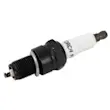
Do a snowblower tune-up
A tune-up restores the snowblower to its peak operating condition. A tune-up includes changing the oil, cleaning the engine, replacing the air filter, checking the ignition system, inspecting the carburetor, testing the battery, adjusting the throttle and choke controls, and adjusting and lubricating all moving parts.
Do a snowblower tune-up
Find the required part specific to your product.
Dec 07
How to replace a snowblower spark plug
If your snowblower won't start, the spark plug could be fouled or damaged. This DIY repair guide sho…
Repair time and Difficulty
15 minutes or less
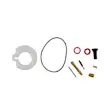
Clean and rebuild the snowblower carburetor
Rebuild kits are available for most carburetors. The kit contains the essential components such as jets, pins, seals and gaskets to overhaul the carburetor. You can sometimes fix a fuel supply problem by disassembling and cleaning a carburetor. Use the rebuild kit to rebuild the carburetor after cleaning it.
Clean and rebuild the snowblower carburetor
Find the required part specific to your product.
Dec 01
How to rebuild a snowblower carburetor
The snowblower carburetor mixes air and fuel going to the engine. You might need to rebuild the carb…
Repair time and Difficulty
45 minutes or less
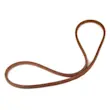
Adjust or replace the snowblower belts
A worn or loose belt can slip or squeal when the snowblower is in use. Physically examine the belt and pulleys. If the belt is worn, replace it. If the belt is sound, adjust the pulleys to tighten the belt.
Adjust or replace the snowblower belts
Find the required part specific to your product.
Dec 01
How to replace a snowblower auger belt
A squealing or slipping snowblower auger belt is a sign that the belt is wearing out. This DIY snowb…
Repair time and Difficulty
45 minutes or less
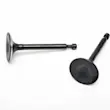
Adjust the snowblower valve lash
The snowblower valve lash is the amount of clearance between the top of the valve stem and the rocker arm. Incorrect valve lash prevents the snowblower valve from opening or closing properly. valve lash is incorrect, the snowblower engine is hard to start, runs poorly and loses power. Premature valve failure also results from improper valve lash. Check valve lash after the first 25 hours of use and then every 100 hours. Adjust the valve lash if the snowblower engine won't start or runs poorly.
Adjust the snowblower valve lash
Find the required part specific to your product.
Nov 20
How to adjust snowblower engine valve lash
When a snowblower's engine loses power or is hard to start, it could mean the valve lash needs adjus…
Repair time and Difficulty
15 minutes or less
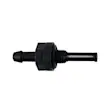
Replace the snowblower fuel filter
The snowblower fuel filter screens particles from the gasoline as fuel moves from the fuel tank to the carburetor. Fuel won't flow if the snowblower fuel filter clogs. Replace the fuel filter if it's clogged or damaged.
Snowblower fuel filter
Find the required part specific to your product.
Nov 20
How to replace a snowblower fuel filter
When a snowblower won't start, it could be a clogged fuel filter isn't letting gas into the carburet…
Repair time and Difficulty
15 minutes or less
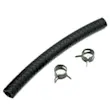
Replace the snowblower fuel line
A cracked or broken snowblower fuel line leaks gas, creating a fire hazard. Inspect the snowblower fuel line regularly and replace it if it's cracked or damaged.
Snowblower fuel line
Find the required part specific to your product.
Dec 01
How to replace a snowblower fuel line
If your snowblower's engine won't start, the carburetor might not be getting any gas because of a cr…
Repair time and Difficulty
15 minutes or less
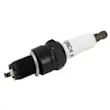
Replace the snowblower spark plug
The snowblower spark plug creates the spark that ignites the fuel, creating a controlled explosion in the cylinder to move the piston that drives the engine. The spark plug won't create spark if deposits build up on the spark plug electrode or if the ceramic insulation cracks. Replace the snowblower spark plug if it's fouled or damaged.
Snowblower spark plug
Find the required part specific to your product.
Dec 07
How to replace a snowblower spark plug
If your snowblower won't start, the spark plug could be fouled or damaged. This DIY repair guide sho…
Repair time and Difficulty
15 minutes or less