- Kenmore refrigerator water filters
- Whirlpool refrigerator water filters
- Samsung refrigerator water filters
- GE refrigerator water filters
- LG refrigerator water filters
- Frigidaire refrigerator water filters
- KitchenAid refrigerator water filters
- Maytag refrigerator water filters
- Kenmore Elite refrigerator water filters
- Estate refrigerator water filters
- GE Profile refrigerator water filters
- Amana refrigerator water filters
- Bosch refrigerator water filters
- Dacor refrigerator water filters
- Electrolux refrigerator water filters
Top DIY repair help
View All Repair Categories
Appliances
Lawn & Garden
Power Tools
Home Improvement
Sports & Leisure
Heating & Cooling
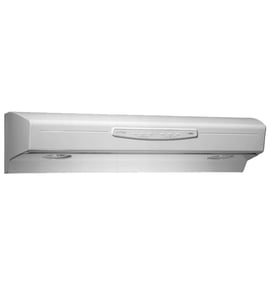
Whirlpool Range hood Parts — Browse All Models
Finding the right Whirlpool range hood parts is simple when you start with your model number. Enter it in the search bar or browse the list of Whirlpool range hoods to see detailed diagrams and OEM components made for your model. You can quickly locate replacement parts no matter the issue. If you need help understanding what your hood is doing before you order parts, our DIY range hood repair help library breaks down the most common symptoms so you can troubleshoot with confidence.


 Owner’s manual
Frequently bought Whirlpool parts
Whirlpool Dryer Drum Belt, 92-1/4-inch
In Stock
$10.01
17% OFF Phone Price : $12.01

Qty

Whirlpool Dryer Idler Pulley
In Stock
$21.70
22% OFF Phone Price : $27.70
Qty
Dishrack Adjuster Kit - Dishwasher Rack Component By Whirlpool
In Stock
$40.47
13% OFF Phone Price : $46.47
Qty
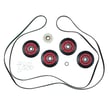
Whirlpool Dryer Repair Kit (4392067)
In Stock
$20.39
23% OFF Phone Price : $26.39
Qty
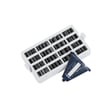
Whirlpool Refrigerator Carbon Air Filter
In Stock
$14.76
10% OFF Phone Price : $16.33
Qty
Whirlpool Washer Agitator Dog Set
In Stock
$24.17
20% OFF Phone Price : $30.17
Qty
Popular maintenance items for Range Hoods
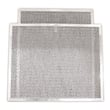
Broan Range Hood Grease Filter, 2-pack
In Stock
$64.94
8% OFF Phone Price : $70.94
Qty
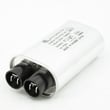
Microwave High-voltage Capacitor
In Stock
$119.86
9% OFF Phone Price : $131.86
Qty
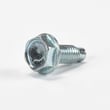
Refrigerator Screw
Part #WP489483
This item is not returnable
In Stock
$9.76
9% OFF Phone Price : $10.76
Qty
Appliance Screw, 10-16 X 1/2-in
Part #WP681414
This item is not returnable
In Stock
$4.91
17% OFF Phone Price : $5.91
Qty
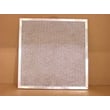
Range Hood Grease Filter
In Stock
$55.71
10% OFF Phone Price : $61.71
Qty
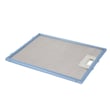
Broan Range Hood Grease Filter
In Stock
$57.43
9% OFF Phone Price : $63.43
Qty
Troubleshooting common Whirlpool range hood problems
Fan not running
A fan that doesn’t work may signal a worn motor, a stuck blower wheel or a failed fan switch. If the fan hums but won’t turn, the motor bearings may have seized or debris may be blocking movement.
Lights dimming or not turning on
The symptom lights not working can come from burned-out bulbs, worn sockets or heat-stressed wiring. Intermittent lighting can also occur when vibration loosens the bulb connection.
Weak suction or uneven airflow
When the fan isn’t pulling much air, saturated grease filters or duct obstructions are common causes. Recirculating Whirlpool models may also need fresh charcoal filters to maintain odor removal.
Excessive noise or vibration
An exhaust fan that is noisy often means the blower wheel has shifted out of balance or that mounting hardware has loosened. Grease buildup can also cause a blower wheel to wobble as it spins.
Fan and lights stop working together
If both components shut down at the same time, the symptom fan and lights don’t work may indicate a wiring failure, a damaged switch assembly or a control component no longer sending power to the hood.
Commonly replaced Whirlpool range hood parts
Whirlpool range hoods operate under heat, grease and moisture, so several components wear down with regular use.
- Grease filters: Trap cooking grease and protect internal parts. Dirty filters reduce airflow and should be cleaned or replaced regularly.
- Charcoal filters: Used in recirculating Whirlpool models for odor removal. These filters lose effectiveness with use and require replacement.
- Blower motor: A weakening motor can run slowly, hum or stall. Installing a new motor restores ventilation strength.
- Blower wheel: Bent or debris-coated wheels cause vibration and loud operation. A replacement improves balance and improves airflow.
- Switch or control assembly: Fan and light switches can wear out over time. Replacing a worn switch restores consistent control response.
Why use OEM Whirlpool range hood parts
OEM Whirlpool parts match the fit and performance requirements of your range hood, giving you reliable airflow, solid lighting output and long-term durability. Sears PartsDirect includes model-specific diagrams and compatibility filters to ensure you select the right part the first time. Using genuine components maintains the performance your Whirlpool hood was designed to deliver.
Whirlpool range hood FAQs
Why does my Whirlpool hood whistle or make a high-pitched sound?
Whistling usually comes from airflow passing through a partially blocked duct or vent cap. A misaligned damper or a gap in the ductwork can also create a whistling tone during operation.
Why does my hood vibrate only on the highest fan setting?
When vibration increases at higher speeds, the blower wheel may be slightly unbalanced or the motor may be struggling under heavier load. Checking for buildup on the wheel often helps.
Why does my Whirlpool hood feel like it is blowing air back into the kitchen?
Air that flows forward instead of up the duct can indicate a stuck damper flap or a blockage in the roof or wall vent. Ensuring that the damper opens freely usually restores proper airflow.
Why do my hood lights keep failing early?
Heat exposure above the cooktop can shorten the life of standard bulbs. Using bulbs rated for range hood use and checking the socket for looseness helps prevent early burnout.
Why does the hood take longer to clear odors than it used to?
For recirculating models, charcoal filters lose effectiveness over time and cannot absorb odors as efficiently. Ducted models may have grease buildup or a partial obstruction reducing airflow.
Parts & More
Bottom-Mount Refrigerator
Carpet Cleaner
Dryer
Electric Range
Food Processor
Front-Engine Lawn Tractor
Gas Cooktop
Generator
Lawn & Garden Engine
Power Sander
Sewing Machine
Side-By-Side Refrigerator
Snowblower