 Installation guide
 Owner’s manual



What are dishwasher arms called?
In a Whirlpool dishwasher like model DU920PWKQ0, the “dishwasher arms” are called spray arms. They rotate during the wash to distribute water; this model uses an upper spray arm and a lower spray arm (and some versions include a third level wash feature). See the DU920PWKQ0 owner's manual for the parts-and-features diagram.
Common names you may see
Dishwasher spray components are often labeled a few different ways in manuals and parts lists:
- Upper spray arm (sprays the top rack)
- Lower spray arm (sprays the bottom rack)
- Spray tower (vertical water feed that helps direct spray upward on some designs)
- Third level wash tower (listed on some models)
- Wash arm (generic term used interchangeably with spray arm)
Where they are located (typical layout)
| Component name | Typical location | What it does |
|---|---|---|
| Upper spray arm | Under the upper rack | Washes items in the top rack |
| Lower spray arm | Below the bottom rack | Washes items in the bottom rack |
| Spray tower / third level wash | Center or rear feed path (varies) | Helps route water to upper areas |
Why the name matters when troubleshooting
If dishes are not getting clean, the spray arms (and related wash system parts) are one of the first things we check because anything that blocks rotation or spray holes reduces wash coverage.
Quick checks we recommend
- Make sure nothing in either rack blocks the spray arm(s) from spinning freely.
- Load large pans and cookie sheets to the sides and back so they do not block spray.
- Check for labels from bottles or cans that can clog the pump or spray arm.
- Avoid soap or laundry detergent; high suds can slow the wash arm.
- Confirm the bottom rack is installed correctly so it does not interfere with movement.
When a part replacement is likely
If an arm is cracked, warped, or the hub is worn and it will not spin smoothly, replacement is often the best fix. For this model, a common replacement is the dishwasher spray arm WP8268874.
Last updated: February 2026
Why is my Whirlpool dishwasher leaking at the bottom of the door?
A Whirlpool dishwasher like model DU920PWKQ0 usually leaks at the bottom of the door when the door seal is worn, the tub is not level or centered in the opening, or oversudsing pushes water past the seal. Start by confirming installation alignment, then inspect and replace the seal if needed using the DU920PWKQ0 owner’s manual.
Most common causes (and what to check first)
- Door seal damage or deformation: Look for tears, flattening, gaps, or hardened sections along the full perimeter.
- Dishwasher not level or shifted: A slight tilt can let water pool at the front edge and escape.
- Door not closing tightly: A weak latch can prevent full compression of the seal.
- Oversudsing: Using the wrong detergent or rinse aid overfill can create foam that forces leaks.
- Spray arm interference: Large items can block spray arm rotation and redirect water toward the door.
Quick diagnostic steps (10 minutes)
- Stop the cycle and open the door; check for excessive foam. If you see suds, switch to dishwasher detergent only.
- Inspect the seal for splits and areas that no longer sit flush; replace if compromised.
- Check door closure; if the door feels loose or pops open, inspect the latch.
- Confirm the unit is level and centered: The installation guide calls for checking level and verifying equal spacing between the inner door and tub sides when the door is opened about 3 inches.
- Verify loading: Keep large pans to the sides and back so spray is not deflected toward the door.
Parts that commonly fix a bottom-of-door leak
| Symptom | Likely fix | Part to consider |
|---|---|---|
| Water drips from lower corners | Worn perimeter seal | Dishwasher door seal WPW10509257 |
| Door won’t stay tightly shut | Latch not pulling door in | Dishwasher door latch WP3380854 |
| Leak started after moving/install | Unit shifted or not level | Use the DU920PWKQ0 installation guide |
Why it matters
A door-area leak can soak the toe-kick and floor, and repeated leaking can lead to swelling cabinets or corrosion around the dishwasher frame. Fixing alignment and sealing early prevents bigger repairs.
Last updated: February 2026
What are the commonly replaced parts in a dishwasher?
In a Whirlpool DU920PWKQ0 dishwasher, the most commonly replaced parts are the wash and door components that wear from heat, water, and daily use: spray arms and seals, the heating circuit parts, the door latch and door seal, and the water inlet valve. Confirm your exact configuration in the DU920PWKQ0 owner's manual.
Most common replacements (and what they affect)
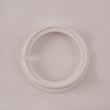
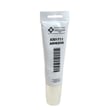
- Door sealing and leaks: door seal, clamps, sealant
- Washing performance: spray arm and spray arm seals, chopper, pump motor
- Filling problems: water inlet valve
- Starting and safety: door latch
- Drying and water heating: heater and heater-related hardware
- Rack wear and breakage: dishrack, rollers, slide rails, adjusters, silverware basket
Quick symptom-to-part guide
| Symptom | Most likely part area | Example part for DU920PWKQ0 |
|---|---|---|
| Water leaking at the door | Door seal or door closure | Dishwasher door seal WPW10509257 |
| Won’t start or stops mid-cycle | Door latch or timer | Dishwasher door latch, timer |
| Not filling with water | Water inlet valve or float issue | Water inlet valve |
| Poor cleaning, food left behind | Spray arm, chopper, pump motor | Spray arm, chopper, pump motor |
| Dishes not drying well | Heater circuit, loading, rinse aid use | Heater |
| Rack won’t roll smoothly | Rollers, rails, adjusters | Rollers, slide rail, adjuster |
Why these parts fail most often
- Heat and detergent slowly harden rubber seals and gaskets
- Mineral buildup and debris can restrict spray arm ports and wash components
- Door latches wear and can prevent a safe start
- Inlet valves can clog or stick, reducing fill
- Racks and rollers crack, rust, or bind from heavy loads and impact
Tips that reduce repeat failures
- Load so spray arms can rotate freely (large pans at sides and back)
- Avoid blocking the water inlet opening near the tub wall
- Run a rinse cycle if dishes sit for a day or two to reduce odor and buildup
- Use the correct detergent amount to prevent excess foam and residue
Helpful DIY references
- If your dishwasher shows a fault or unusual behavior, use Whirlpool dishwasher error codes.
- If it acts “stuck” or unresponsive, follow how to reset a Whirlpool dishwasher.
Last updated: February 2026
What is the thing at the bottom of my dishwasher?
In a Whirlpool DU920PWKQ0 dishwasher, the “thing” you usually notice at the bottom is the heating element area and the lower spray system; these parts help heat the wash water and circulate it for cleaning and drying. Confirm the exact layout in the DU920PWKQ0 owner's manual.
What you might be seeing (common items at the bottom)
- Heating element loop: a metal loop or bar near the tub floor that heats water and boosts drying.
- Lower spray arm: the rotating arm that sprays water upward; it must spin freely.
- Water inlet opening area: items loaded too close to the tub wall can block water flow.
- Filter or pump intake area (varies by design): where water is pulled into the pump for recirculation.
Quick checks we recommend
- Spin the lower spray arm by hand (with the dishwasher off). It should rotate without hitting dishes.
- Check for label debris (from jars/bottles) that can clog the pump or spray arm.
- Load the bottom rack correctly; the rack bumpers should face the door so the door closes properly.
- Avoid blocking the inlet opening; do not place items between the bottom rack and the tub side.
When a part is likely involved
| Symptom you notice | Most likely area at the bottom | Example part that can relate |
|---|---|---|
| Poor cleaning, weak spray | Lower spray arm or pump intake | Dishwasher spray arm WP8268874 |
| Leaks at the door (not bottom, but often noticed as puddles) | Door sealing surface | Dishwasher door seal WPW10509257 |
| Dishes not drying well | Heating system and airflow | (Check settings in the manual) |
Why it matters
Bottom-of-tub parts control water temperature and spray coverage. If the spray arm is blocked or cannot rotate, detergent may not dissolve well and dishes can come out dirty or spotty.
Last updated: February 2026






