Owner’s manual
 Error Codes



Are Whirlpool side by side refrigerators any good?
Whirlpool side-by-side refrigerators like model WRS588FIHZ00 are generally a solid choice for everyday use because they’re designed for consistent cooling, convenient in-door ice and water, and practical storage. Like any side-by-side, long-term satisfaction depends most on proper installation, airflow, and routine maintenance.
What “good” usually means for WRS588FIHZ00 owners
We typically see customers judge a side-by-side on these points:
- Temperature stability: factory recommended set points are 37°F for the refrigerator and 0°F for the freezer.
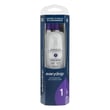
- Ice and water performance: good output depends on correct water pressure and a fresh filter.
- Noise level: some buzzing, clicking, and water sounds are normal during ice maker and compressor operation.
- Door alignment and sealing: doors that don’t seal well can cause warm temps, frost, and longer run times.
- Maintenance needs: keeping vents clear and cleaning as needed helps performance stay consistent.
For model-specific operating details (controls, ice maker, and care), use the WRS588FIHZ00 user manual.
Quick checklist to keep it running “like a good one”
If you’re evaluating performance or trying to avoid common frustrations, we recommend:
- Set temps to the recommended mid-settings first; wait 24 hours between adjustments.
- Keep interior air vents clear (blocked vents can cause warm or uneven temps).
- Confirm household water pressure is adequate for the dispenser and ice maker.
- Flush the water system after connecting water or changing the filter.
- Clean the condenser area when the home is dusty, greasy, or has heavy pet traffic.
Common pros/cons (side-by-side style) at a glance
| What you’ll likely like | What can be annoying if setup is off |
|---|---|
| Easy access to freezer items | Narrower shelf width than some layouts |
| In-door ice and water convenience | Ice maker/dispenser noise can seem loud |
| Separate refrigerator/freezer zones | Door sealing/alignment issues affect temps |
Why it matters
A side-by-side can be “good” or “bad” largely based on airflow, door sealing, and water supply. When those basics are right, WRS588FIHZ00 is built to cool efficiently and produce ice reliably.
Last updated: January 2026
What is the biggest problem in a Whirlpool refrigerator?
For the Whirlpool WRS588FIHZ00, the biggest real-world problem we see is cooling performance drifting (food not staying cold enough or temperatures swinging). It is often tied to airflow restrictions (blocked vents, dirty condenser area) or a fan/defrost-related issue rather than a single “one part” failure; see the troubleshooting section in the WRS588FIHZ00 refrigerator user manual.
What to check first on WRS588FIHZ00 (fast, no tools)
- Confirm the controls are near the factory set points (about 37°F fridge and 0°F freezer).
- Make sure air vents inside both compartments are not blocked by food packages.
- Verify both doors close fully and the gaskets seal all the way around.
- Allow 24 hours after any major change (loading warm food, temperature adjustment) to stabilize.
- Listen for the evaporator fan; if airflow seems weak, a fan issue can mimic “not cooling.”
Common “big problems” and what they usually look like
| Symptom you notice | Most likely category | Typical next step |
|---|---|---|
| Fridge warm, freezer OK | Airflow from freezer to fridge restricted | Clear vents, check diffuser/damper operation |
| Both sections warm | Heat not being rejected or cooling system not running right | Clean condenser area, verify fans/compressor running |
| Frost buildup, temps rise over time | Defrost system issue | Inspect for heavy frost, then test defrost components |
| Ice maker or dispenser issues | Water supply, valve, or ice system | Check water pressure, filter, and valve function |
When a part is commonly involved
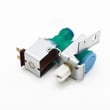
If you have ice maker not making ice, slow water dispensing, or hollow/small ice, the water supply side is a frequent culprit. For this model, a common repair part is the refrigerator water inlet valve WPW10341320 (it controls water flow to the dispenser and ice maker).
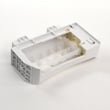
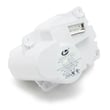
If you have no ice production but the freezer temperature is correct and the ice maker is turned on, the refrigerator ice maker W10873791 is also a common replacement.
Why it matters
Cooling problems can lead to food spoilage and can also make the refrigerator run longer than normal. Catching airflow and maintenance issues early often prevents unnecessary part replacement.
Helpful DIY resources
Last updated: January 2026
What is the average lifespan of a Whirlpool refrigerator?
Whirlpool doesn’t publish an “average lifespan” for the Whirlpool WRS588FIHZ00 in the product documentation we have for this model, so we can’t confirm a model-specific number. In general, many refrigerators last roughly 10–15 years, but real life varies widely with use and maintenance; see the WRS588FIHZ00 refrigerator user manual for care steps that help maximize service life.
What we can confirm for WRS588FIHZ00 from the manual
The WRS588FIHZ00 manual focuses on operation and maintenance (cleaning, temperature settings, door alignment, water filtration, and troubleshooting) rather than an expected lifespan.
Key maintenance items called out include:
- Clean the refrigerator and freezer sections about monthly to reduce odors
- Clean the condenser area as needed (more often in dusty, greasy, or pet-heavy homes)
- Keep air vents inside the compartments unblocked
- Use recommended temperature set points and wait at least 24 hours between adjustments
- Replace the water filter at least every 6 months (or sooner if flow drops)
Typical lifespan range (general guidance)
While not model-specific, a practical planning range many homeowners use is:
| Appliance type | Common planning range |
|---|---|
| Modern household refrigerator | About 10–15 years |
| Heavily used or poorly maintained units | Often shorter |
| Light use with consistent maintenance | Sometimes longer |
Signs your refrigerator may be nearing end-of-life
These symptoms often show up as a refrigerator ages, regardless of brand:
- Temperature swings or food spoiling faster
- Compressor running much longer than normal
- Repeated ice maker or dispenser issues
- Excess frost, moisture buildup, or recurring leaks
- Door sealing problems that return after cleaning/adjustment
Why it matters
Knowing what’s “typical” helps you decide when to invest in repairs versus budgeting for replacement, especially if cooling performance or ice and water features start acting up.
Last updated: January 2026