- Kenmore refrigerator water filters
- Whirlpool refrigerator water filters
- Samsung refrigerator water filters
- GE refrigerator water filters
- LG refrigerator water filters
- Frigidaire refrigerator water filters
- KitchenAid refrigerator water filters
- Maytag refrigerator water filters
- Kenmore Elite refrigerator water filters
- Estate refrigerator water filters
- GE Profile refrigerator water filters
- Amana refrigerator water filters
- Bosch refrigerator water filters
- Dacor refrigerator water filters
- Electrolux refrigerator water filters
Top DIY repair help
View All Repair Categories
Appliances
Lawn & Garden
Power Tools
Home Improvement
Sports & Leisure
Heating & Cooling
What's a turbidity sensor, and how does it affect wash quality?
less than a minute readJun 04Kim Hillegass
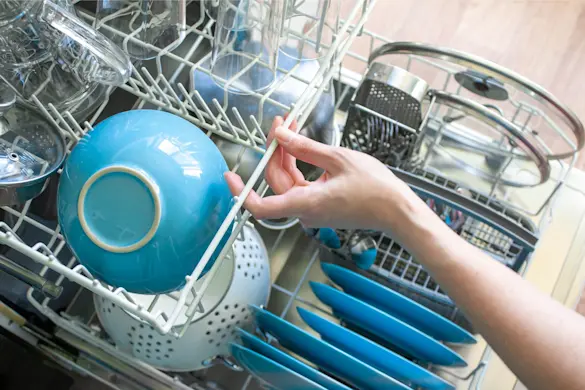
Your dishwasher isn’t just spraying water around and hoping for the best. Behind the scenes, there’s a quiet little genius at work: the turbidity sensor.
If you’ve ever wondered how your dishwasher decides to run a heavy-duty cycle versus a quick rinse, this sensor plays a big role. It literally “sees” how dirty your dishwater is, and adjusts the cycle accordingly.
So, what is a turbidity sensor, and what does a dishwasher turbidity sensor do to help you get sparkling dishes with less water and energy? Let’s dive into the science (don’t worry, no lab coat required).
What is a turbidity sensor?
Turbidity might sound like something you’d hear in a chemistry class, but it’s just a fancy word for “cloudiness.” In a dishwasher, the turbidity sensor measures how murky the water is inside the tub during a wash cycle.
It’s usually an optical sensor, like a little set of eyes, that shines a light through the water and detects how much grime, food, or grease is floating around. The cloudier the water, the dirtier the dishes. Pretty clever for a machine that lives under your countertop.
What does a dishwasher turbidity sensor do?
Once the turbidity sensor picks up on how dirty the water is, the dishwasher’s control board uses that information to make real-time decisions about your cycle. Here's how it helps:
Adjusts wash time. Dirtier water? The dishwasher will add more time to scrub.
Changes water temperature. Some models boost the temp if the sensor detects heavy soil.
Triggers extra rinses. If that water’s still cloudy after the main wash, it’ll add another rinse or two.
Improves efficiency. If the water’s clear early in the cycle, the dishwasher might cut the cycle short and save you energy.
In short, the turbidity sensor is like your dishwasher’s quality control department. It constantly checks in and says, "Are we done yet? No? Keep going." This not only helps ensure cleaner dishes, but also helps prevent wasted water, detergent, and electricity.
Why it matters for wash quality
Think of the turbidity sensor as the difference between a one-size-fits-all wash and a custom clean. Without it, your dishwasher would run the same cycle every time. A single cereal bowl and a casserole dish caked in baked-on mac and cheese gets the same treatment.
With the sensor, your dishwasher can adapt to the mess. It works smarter, not harder, and gives each load exactly what it needs:
Better cleaning performance: no more dishes coming out half-dirty or over-scrubbed.
Water and energy savings: the cycle ends when the job is done, not after a set timer.
Fewer rewash cycles: because it caught the grime the first time.
Can a turbidity sensor fail?
Like any electronic component, turbidity sensors can wear out or get gunked up. If you notice your dishwasher:
Runs unusually long cycles
Leaves residue or spots on dishes
Finishes quickly but your dishes are still dirty
…it could be a sign the turbidity sensor isn’t doing its job.
Sometimes the issue is as simple as a dirty sensor lens or clogged filter. But if cleaning doesn’t help, the sensor itself might need replacing.
How to keep your turbidity sensor working well
The good news? This little sensor doesn’t need much pampering. But there are a few simple habits that keep it in top shape:
Clean the dishwasher filter regularly. Food bits and grease can block the sensor’s line of sight.
Use a monthly dishwasher cleaner like affresh® or Cascade® to remove mineral and detergent buildup.
Don’t skip the rinse. Scraping plates (not rinsing) helps reduce extra food particles floating around that could cloud the water.
Run a cleaning cycle. Use your dishwasher’s cleaning mode or follow these dishwasher maintenance tips to keep things fresh.
A routine cleaning goes a long way. That's good not just for wash quality, but for helping your turbidity sensor do its job without interference. Keeping the filter and interior clean helps prevent buildup that could confuse the sensor and lead to longer, less efficient cycles.
It might be small, but the turbidity sensor plays a big role in modern dishwashers. It’s the behind-the-scenes brain that helps adjust every cycle to make sure your dishes come out clean, without wasting water or time.
So the next time your dishwasher quietly hums through a quick rinse or takes its time with a tough load, you’ll know there’s a reason: your turbidity sensor is calling the shots.
Want to learn more about what makes your dishwasher tick or need help troubleshooting a cleaning issue? Check out our dishwasher DIY repair help page for easy step-by-step help.
Because when it comes to clean dishes, a little sensor goes a long way.