Owner’s manual
 Error Codes
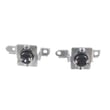


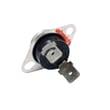
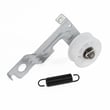
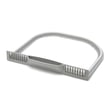

Is the DLEX7600KE easy to use?
Yes. The LG DLEX7600KE is designed to be easy to use with a user-friendly control panel and straightforward cycle selection. Many units in this series also support the LG EasyLoad two-way door, which can make loading and unloading more convenient; see the DLEX7600KE owner's manual for the exact operating steps and features.
- Clear, labeled cycle and option controls for common loads
- Sensor-style drying cycles that help reduce guesswork
- Built-in reminders like checking the lint filter before every load
- Helpful indicators (such as airflow restriction alerts on models equipped with them)
- Two-way door operation on some versions (hamper-style for loading, swing door for bulky items)
- Clean the lint filter before starting.
- Choose a cycle that matches the fabric type (Normal, Delicates, etc.).
- Use lower heat for synthetics and higher heat for towels and cottons.
- Avoid overloading so clothes tumble freely.
- Confirm the vent path is open and not crushed behind the dryer.
| Area | What you do | What it helps with |
|---|---|---|
| Control panel | Select cycle, temp, dryness level, options | Faster setup and fewer mistakes |
| Door design | Load/unload comfortably | Less bending, fewer dropped items |
| Lint filtration | Clean before each load | Better airflow and drying performance |
| Venting/airflow | Keep ductwork clear and short | Shorter dry times and fewer heat issues |
An easy-to-use dryer like the DLEX7600KE helps you get consistent results with fewer re-dos. Most “hard to use” complaints actually come from airflow restrictions, overloading, or using the wrong cycle, not from the controls themselves.
Last updated: January 2026
What is the most common problem with LG dryers?
For LG dryers like model DLEX7600KE, the most common issue we see is clothes taking too long to dry or not drying well, usually because airflow is restricted (lint buildup, crushed vent, or long duct run). The next most common complaint is noise from wear parts in the drum support system.
- Clean the lint screen before every load; a partially blocked screen can add a lot of dry time.
- Confirm strong airflow at the outside vent hood while the dryer runs.
- Inspect the vent path for kinks, crushed flex duct, or heavy lint buildup.
- Avoid overloading; packed loads block tumbling and airflow.
- Use the correct cycle (sensor cycles can extend time if airflow is poor).
For venting limits and airflow guidance specific to this platform, use the DLEX7600KE owner’s manual.
If airflow is good but drying is still poor, these model-compatible parts are often involved:
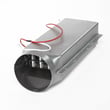
- Heating circuit issues (electric models): LG dryer heating element 5301EL1001H
- Temperature sensing issues: dryer thermistor AGM30045804
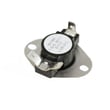
- Overheat protection opening due to restricted airflow: dryer high-limit thermostat 6931EL3003D
| Symptom on DLEX7600KE | Most likely cause | What we recommend |
|---|---|---|
| Long dry times, heat seems weak | Restricted venting or lint buildup | Clean/shorten venting; verify airflow |
| Runs but no heat (electric) | Failed heater or thermostat | Test heater/thermostats; replace as needed |
| Stops early, clothes still damp | Moisture sensing issue or poor airflow | Clean sensor area; verify venting |
| Thumping/rumbling noise | Worn roller/idler | Inspect drum support parts |
Noise is typically caused by friction or flat spots in rotating parts:
- Drum support roller wear: dryer drum support roller 4581EL2002L
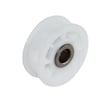
- Idler pulley squeal/chirp: LG dryer idler pulley 4561EL3002A
- Blower wheel damage (rattling or vibration): dryer blower wheel 5835EL1002A
Poor airflow can cause long dry times, overheating, and repeated shutdowns. Catching vent restrictions early also helps protect heating components and keeps your LG dryer running efficiently.
Last updated: January 2026
What is the average lifespan of an LG dryer?
An LG dryer like model DLEX7600KE typically lasts 10 to 15 years with normal household use and basic maintenance. Keeping airflow strong (clean lint screen and venting) and fixing small issues early helps you reach the high end of that range.
- Airflow and venting: restricted exhaust makes the dryer run hotter and longer
- Load habits: frequent overloading strains the drum, belt, and motor
- Heat system health: electric heating components and thermostats wear faster when airflow is poor
- Moisture sensing accuracy: dirty sensors can cause longer cycles and extra wear
- Routine cleaning: lint buildup increases heat stress and can lead to shutdowns
For model-specific operating and maintenance guidance, follow the DLEX7600KE owner’s manual.
| Usage pattern | Typical lifespan | What usually shortens it |
|---|---|---|
| Light (few loads/week) | 12–15 years | Neglected vent cleaning |
| Average (most households) | 10–15 years | Overloading, long vent runs |
| Heavy (daily loads) | 8–12 years | Heat stress, wear on moving parts |
If your DLEX7600KE is otherwise in good shape, replacing a worn part can extend life significantly. Common wear items include:
- Drum support rollers (squealing, thumping)
- Idler pulley (belt noise, intermittent drum turning)
- Heating and temperature-sensing components (no heat, overheating, long dry times)
- Lint screen and grille components (airflow restriction)
Examples of compatible parts for this model include the LG dryer heating element 5301EL1001H and the dryer thermistor AGM30045804.
A dryer that is struggling to dry efficiently often runs longer and hotter, which accelerates wear on the motor, drum support system, and heating circuit. Good airflow and timely part replacement are the simplest ways to protect the life of an LG dryer.
Last updated: January 2026