Installation guide
 Owner’s manual
 Error Codes
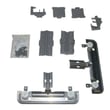


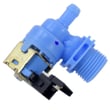
What are the different types of WDT730PAHB0 parts?
For the Whirlpool WDT730PAHB0 dishwasher, parts are grouped by the area of the machine they support, such as the door and control panel, fill and drain system, tub and frame, and the wash system (pump, motor, and spray arms). Use the WDT730PAHB0 installation guide to match parts to where they install.
These are the main part “types” you will see when shopping for WDT730PAHB0 parts:
- Cover sheet (illustrated parts breakdown)
- Door and panel parts (front panel, hinges, handle area)
- Control panel and latch parts (console, door latch, switches)
- Inner door parts (dispenser area, inner door hardware)
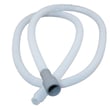
- Fill, drain and overfill parts (water inlet valve, drain hose, drain pump)
- Tub and frame parts (tub, sound shield, mounting hardware)
- Pump, washarm and motor parts (sump and motor, diverter, spray arm)
- Upper wash and rinse parts (upper rack feed and related hardware)
Here are a few real examples from the WDT730PAHB0 parts list, so you can quickly connect categories to actual components.
| System area | Example part name | What it affects |
|---|---|---|
| Door and latch | Dishwasher door latch | Door closing and starting safety |
| Fill | Valve-water | Filling with water |
| Wash | Element assembly | Water heating and drying performance |
| Drain | Dishwasher drain pump | Pumping water out |
| Racks | Dishwasher rack adjuster | Upper rack height and stability |
Use this quick checklist to avoid ordering the wrong item:
- Start with the symptom (won’t fill, won’t drain, not cleaning, door won’t latch)
- Match the symptom to a system area (fill, wash, drain, door/control)
- Confirm the part’s location and fasteners in the WDT730PAHB0 owner’s manual
- Compare your original part’s markings and connector style before ordering
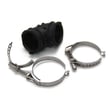
- Replace related wear items together when it makes sense (for example, hose clamps with a drain hose)
Dishwasher parts are organized by system because troubleshooting is usually system-based. If we pick the correct system first (fill vs. wash vs. drain), we narrow the parts list fast and avoid replacing good parts.
Last updated: February 2026
What is the average lifespan of a Whirlpool dishwasher?
A Whirlpool dishwasher typically lasts 10 to 12 years with normal household use. For your Whirlpool WDT730PAHB0, consistent cleaning, correct detergent, and using rinse aid for drying performance help reduce wear on key components like the pump, heater, and door latch (see the WDT730PAHB0 user guide).
- Water quality (hard water speeds up mineral buildup)
- Detergent choice and amount (too much or the wrong type can cause suds and issues)
- Rinse aid use (improves drying and helps control hard water deposits)
- Loading habits (overloading restricts spray and strains the wash system)
- Drain and filter care (clogs force the drain pump to work harder)
- Run a monthly cleaning cycle and wipe the door seals.
- Keep the spray arms clear; remove debris from holes.
- Use rinse aid consistently; it is designed into the drying system.
- Avoid hand-washing soap or laundry detergent; they create excess suds.
- Fix small issues early (poor draining, weak cleaning, door not latching).
| Symptom | What it often points to | Example part for WDT730PAHB0 |
|---|---|---|
| Not draining or standing water | Drain restriction or failing pump | Dishwasher drain pump W10876537 |
| Dishes not drying well | Rinse aid empty, Heat Dry not used, loading issues | Rinse aid system and settings |
| Door won’t start cycle reliably | Door not fully latched or latch wear | Dishwasher door latch WPW10653840 |
| Long cycles seem “normal” | Energy-efficient design; longer wash times | Cycle design and options |
Dishwashers are built to run longer, energy-saving cycles (often 2 to 5 hours per load on newer designs). When we keep water flow, draining, and drying systems working efficiently, the machine runs with less strain and typically reaches its full 10 to 12 year service life.
Last updated: February 2026
Are Whirlpool dishwashers good quality?
Whirlpool dishwashers, including model WDT730PAHB0, are generally a solid, good-quality choice for everyday use because they balance cleaning performance, noise control, and long-term serviceability. For best real-world results, we recommend following the loading, rinse aid, and drying guidance in the WDT730PAHB0 user guide.
Quality shows up as consistent cleaning, dependable filling and draining, and fewer repeat issues with wet dishes or residue.
- Cleans well when spray arms can rotate freely and filters are kept clear
- Runs quieter when the unit is level and secured correctly
- Dries better when rinse aid is used and Heat Dry is selected (plastics still tend to hold water)
- Avoids leaks when the water supply connection and grommets are in good condition
- Stays reliable longer with routine care and correct detergent use (no hand soap)
Many owners like Whirlpool’s overall performance and value; the most common complaint is “dishes still wet,” especially plastics.
| Concern | What usually helps | What to check next |
|---|---|---|
| Dishes not fully dry | Use rinse aid plus Heat Dry; unload bottom rack first | Loading and cup shapes that hold water |
| Not cleaning well | Proper loading; keep spray path clear | Inspect the dishwasher spray arm WPW10491331 for clogs or damage |
| Not draining well | Clear the sink/disposer connection; check for kinks | Consider the dishwasher drain pump W10876537 if pump is noisy or weak |
A dishwasher can seem “low quality” when the real issue is setup or maintenance. Correct detergent, rinse aid use, and proper loading directly affect cleaning and drying, and they also reduce service calls over time.
- Use automatic dishwasher detergent only; avoid soaps that create suds
- Keep rinse aid filled and cap installed
- Select Heat Dry when you want drier results
- Load so the spray arm does not hit tall items
- Turn off water and power if the dishwasher will sit unused for extended periods (vacation/winter)
Last updated: February 2026
What is the most common problem with a Whirlpool dishwasher?
The most common Whirlpool dishwasher problem we see on the Whirlpool WDT730PAHB0 is poor cleaning or poor draining, which usually traces back to restricted water flow (clogged spray arm or filter area), a drain restriction, or a wash system issue. Use the WDT730PAHB0 owner's manual troubleshooting section to match symptoms to the right checks.
- Dishes still dirty: spray arm holes blocked, loading blocking spray, low water temperature, or wash system not circulating well.
- Standing water: drain hose kinked or clogged, sink/disposer connection blocked, or drain pump not moving water.
- Won’t start: door not latching fully, control not accepting input, or cycle not selected correctly.
- Not drying: rinse aid empty, Heat Dry not used, plastics holding water (common even when the dishwasher is working normally).
- Suds/overflow: wrong detergent type or too much detergent; rinse aid cap left off can also contribute.
- Confirm you are using automatic dishwasher detergent only (not hand dish soap).
- Check the rinse aid cap is installed after filling; the manual notes missing caps and excess detergent can cause suds.
- Inspect and rinse the spray arm holes; remove debris that can block jets.
- Verify the drain path is clear (air gap, disposer inlet, and hose routing).
- If drying is the complaint, use rinse aid plus Heat Dry and unload the bottom rack first (helps prevent water from dripping onto items).
| Symptom | Common suspect part | What it does |
|---|---|---|
| Standing water | Dishwasher drain pump W10876537 | Pushes water out during drain |
| Poor cleaning | Dishwasher spray arm WPW10491331 | Delivers pressurized wash water |
| Won’t start | Dishwasher door latch WPW10653840 | Confirms the door is closed so the unit can run |
Poor cleaning and draining problems often get worse over time; a small restriction can lead to dirty dishes, odors, and longer cycle times. Catching the cause early helps you avoid repeat clogs and unnecessary part replacements.
Last updated: February 2026
Can I replace dishwasher parts myself?
Yes, many Whirlpool WDT730PAHB0 dishwasher repairs are DIY-friendly when you shut off power and water first and follow the correct steps. Simple mechanical parts (like racks and spray arms) are usually straightforward; wiring, heating, and water-supply repairs require extra care and the right tools.
- Upper rack hardware such as the dishwasher rack adjuster W10712395
- A worn or clogged spray arm such as the dishwasher spray arm WPW10491331
- A broken door latch such as the dishwasher door latch WPW10653840
- A leaking or damaged drain hose (routing and high-loop/air-gap setup matters)
- Some no-drain issues after cleaning the drain air gap (if your setup uses one)
These involve electrical connections, water connections, or both. Use the steps and safety notes in the WDT730PAHB0 installation guide and work slowly.
| Repair type | Why it is harder | Common examples on this model |
|---|---|---|
| Electrical | Terminal box wiring, strain relief, shock risk | Control board, power cord transfer, internal wiring checks |
| Water supply | Leak risk, fitting compatibility | Water inlet valve, supply line connection |
| Heating/drying | Requires access and testing | Heating circuit and the heating element assembly |
- Turn off the breaker; confirm the dishwasher has no power.
- Shut off the water supply valve.
- Protect the floor; keep towels ready for residual water.
- If you open the terminal box, use a proper UL-listed/CSA-approved strain relief and route the cord so it cannot touch the motor or tub.
- For drain work, keep the drain connection above the trap and maintain the recommended high loop (or air gap when required).
DIY replacement can restore cleaning, draining, and drying performance while avoiding repeat failures caused by incorrect drain routing, loose wiring connections, or small leaks at the water inlet. Following the documented installation and connection requirements prevents damage and nuisance problems.
Last updated: February 2026
Why does my Whirlpool dishwasher smell so bad?
Bad odors in a Whirlpool WDT730PAHB0 dishwasher almost always come from trapped food soil, standing water, or residue that feeds bacteria and mildew. We fix it by cleaning the filter and drain area, flushing the drain path, and running a hot cleaning cycle to remove buildup.
- Remove and rinse the filter area and sump (pull out any labels, glass, bones, or seeds).
- Check the bottom of the tub for standing water after a cycle; lingering water points to a drain restriction.
- Run the hottest cycle empty with a dishwasher cleaner or a cup of white vinegar in a dishwasher-safe container.
- Wipe the door gasket and the bottom edge of the door where grime collects.
- Leave the door cracked open for a few hours after the last load to dry out the tub.
Odors get strong when dirty water cannot fully evacuate.
| What you notice | Likely cause | What to do |
|---|---|---|
| Sour, swampy smell and water left in tub | Drain path restriction | Inspect the drain hose routing and air gap (if used); clear clogs; verify sink/disposer inlet is open |
| Musty smell but tub looks dry | Residue on gasket, spray arm, or racks | Clean gasket; remove and rinse spray arm ports |
| Detergent smell or film | Too much detergent or wrong soap | Use only automatic dishwasher detergent; reduce dose |
If you find the dishwasher is not draining well, the drain components are common repair points; for this model, the dishwasher drain pump W10876537 and dishwasher drain hose 8269144A are two parts we often see involved.
Odor is a performance clue. The same buildup that smells bad can also cause poor cleaning, slow draining, and residue on dishes. Keeping the filter area and drain path clear helps the circulation pump and spray arm work efficiently.
For cleaning and care steps, cycle options, and correct detergent use for the Whirlpool WDT730PAHB0, follow the WDT730PAHB0 owner's manual.
Last updated: February 2026
What does F4 mean on a whirlpool dishwasher?
On a Whirlpool dishwasher like model WDT730PAHB0, an F4 code points to a drain problem (the dishwasher is not draining properly or is detecting a drain fault). Clearing the water and fixing the drain path usually resolves the code; then you can reset the control.
- Cancel the cycle and let the unit attempt to drain.
- Remove standing water in the tub if needed, then check the sump area for debris.
- Inspect the drain hose for kinks, crushing, or a clogged high loop/air gap.
- Check the sink/disposer connection for a blockage (including a knockout plug that was never removed).
- Make sure you are using dishwasher detergent (not hand soap); excess suds can interfere with draining.
Use the reset steps shown in the WDT730PAHB0 user manual. If the dishwasher still shows F4 after the drain path is clear, a component in the drain system may be failing.
If the drain path is clear but the dishwasher still will not pump out water, these parts are the most common suspects:
- Drain pump (weak motor, jammed impeller): dishwasher drain pump W10876537
- Drain hose (internal clog, split, poor routing): dishwasher drain hose 8269144A
- Water inlet valve (can contribute to overfilling symptoms that look like a drain issue): valve-water W11175771
| What you notice | Most likely area | What to do |
|---|---|---|
| Hums but water stays in tub | Pump jam or failed pump | Check sump for debris; consider drain pump |
| Drains slowly, then errors | Hose/air gap/disposer restriction | Clear hose and sink connection |
| Intermittent drain faults | Loose connection or failing pump | Inspect wiring and pump operation |
A true drain fault can leave dirty water in the tub, cause odors, and stop the cycle mid-program. Fixing the drain path first prevents unnecessary part replacement and helps the dishwasher complete the wash and dry cycle normally.
For code lookups and what the flashes mean on Whirlpool models, use our Whirlpool dishwasher error codes reference.
Last updated: February 2026
What are the commonly replaced parts in a dishwasher?
In a Whirlpool WDT730PAHB0 dishwasher, the most commonly replaced parts are the wash and drain components (spray arm, pumps, hoses), the fill components (water inlet valve), and door and rack hardware (latch, rack adjusters). These parts wear from heat, detergent, hard water, and normal daily use.
- Dishwasher spray arm (clogged jets, cracks, poor cleaning)
- Heating element (poor drying, cool water, long cycles)
- Water inlet valve (no fill, slow fill, fill errors)
- Drain pump or drain hose (standing water, slow drain)
- Door latch (won’t start, stops mid-cycle)
- Rack hardware (rack won’t roll, won’t adjust, broken clips)
- Detergent dispenser (cup won’t open, leaks, poor wash results)
| Symptom | Most likely part area | Example part for WDT730PAHB0 |
|---|---|---|
| Dishes not clean | Spray arm, circulation system | Dishwasher spray arm WPW10491331 |
| Not draining | Drain pump, drain hose, drain path | Dishwasher drain pump W10876537 |
| Not filling | Water supply, inlet valve | Valve-water W11175771 |
| Won’t start | Door latch, control, power | Dishwasher door latch WPW10653840 |
| Upper rack issues | Adjusters, stops, rack | Dishwasher rack adjuster W10712395 |
If you are installing or reinstalling the dishwasher, the installation guide calls out a few items that commonly need attention:
- Drain hose length: maximum 12 ft (3.7 m) and routed with a high loop or air gap
- Drain connection height: connect above the drain trap and at least 20 in (508 mm) above the floor
- Water supply: hot water at the dishwasher (typically 120°F), and avoid soldering within 6 in of the inlet valve
- Water line and drain hose: replacing an older dishwasher often goes smoother with a new supply line and the supplied drain hose
For the exact routing and connection requirements for WDT730PAHB0, follow the WDT730PAHB0 installation guide.
Replacing the correct part first saves time and prevents repeat failures. For example, a “not draining” complaint can be a kinked drain hose, a clogged connection at the disposer, or a failing drain pump; matching the symptom to the right area avoids unnecessary parts.
Last updated: February 2026