Owner’s manual



What is the capacity of the WA5471ABW washer?
The Samsung WA5471ABW top-load washer is typically listed at about 4.7 cu. ft. capacity for this model family. For the exact capacity statement and how Samsung defines it for your specific unit, use the WA5471ABW owner's manual.
How to confirm capacity on your exact washer
Capacity is usually shown in the specifications section of the manual and sometimes on the model/serial tag.
- Check the Specifications or Product information section in the manual
- Look for the full model identifier on the model/serial label (often under the lid or on the cabinet)
- Match the model identifier to the manual’s model list (some manuals cover multiple variants)
- If you are comparing washers, confirm whether the number is IEC or DOE style capacity
Typical capacity range for similar Samsung top-load washers
If you are planning laundry loads, pedestal clearance, or replacement shopping, these ranges help set expectations.
| Washer type | Typical capacity range | Best for |
|---|---|---|
| Standard top-load | 3.5 to 4.4 cu. ft. | Everyday mixed loads |
| High-capacity top-load (like WA5471ABW) | 4.5 to 5.5 cu. ft. | Bulky items, larger households |
Why it matters
Capacity affects how much you can wash per cycle, how well items tumble and rinse, and how likely you are to see out-of-balance issues when loads are packed too tightly.
Last updated: January 2026
What is the average lifespan of a Samsung washing machine?
Most Samsung washing machines, including the Samsung WA5471ABW, typically last 10 to 14 years with normal household use. Regular cleaning, correct loading, and fixing small issues early (like draining or vibration problems) are the biggest factors that help a washer reach the high end of that range.
What affects washer lifespan the most
- Load size and balance: chronic overloading and unbalanced loads increase wear on the suspension and drive system.
- Drain performance: slow draining makes the pump work harder and can lead to repeated cycle failures.
- Leveling and vibration: a washer that rocks or “walks” stresses the tub, bearings, and frame.
- Water quality and detergent use: excess suds and mineral buildup can shorten component life.
- Maintenance habits: periodic cleaning and inspection prevents small problems from becoming major repairs.
Maintenance checklist to help your WA5471ABW last longer
Use the WA5471ABW owner’s manual for the exact cleaning and care steps for your model; these habits are the most important:
- Run a periodic tub-clean cycle (or hot wash) to reduce residue and odor.
- Use HE detergent and measure carefully to avoid oversudsing.
- Keep the washer level; adjust feet if it vibrates or moves.
- Check pockets and remove coins, screws, and hairpins that can damage the tub and pump.
- Inspect hoses for bulges or leaks and replace at the first sign of wear.
Common “end-of-life” symptoms and what they usually point to
| Symptom | What it often indicates | Typical next step |
|---|---|---|
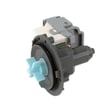
| Won’t drain or drains slowly | Pump restriction or failing pump | Check for blockage; consider washer drain pump DC97-16778A |
| Loud banging, walking, heavy shaking | Out-of-level washer or load imbalance | Re-level; reduce load size; redistribute items |
| Stops mid-cycle, won’t spin | Lid/lock sensing or control issue | Check lid closure and error codes in the manual |
| Intermittent operation or dead display | Power supply or control board issue | Verify outlet and cord; inspect wiring |
Why it matters
A washer that is maintained and kept level runs with less strain on the motor, clutch, and tub system. That reduces vibration-related wear and helps you get closer to the typical 10 to 14 year lifespan.
Last updated: January 2026
What is the most common problem with Samsung washing machines?
The most common problems we see on Samsung washers like model WA5471ABW are spin issues caused by out-of-balance loads and vibration, plus draining problems that leave water in the tub. These symptoms often show up as shaking, stopping mid-cycle, or not reaching full spin; the fix is usually leveling, load correction, or a drain-system repair (see the WA5471ABW owner's manual).
Most common issues (and what they look like)
- Out-of-balance or vibration during spin: banging, walking, or repeated rebalancing attempts.
- Won’t drain or drains slowly: standing water, long cycle times, or stopping before spin.
- Lid/lock related interruptions: won’t start, pauses, or won’t spin with the lid closed.
- Motor/drive sensing problems: intermittent spin, unusual motor behavior, or sudden stopping.
- Control problems: unresponsive buttons, random stopping, or cycle selection issues.
Quick checks we recommend first
- Redistribute the load (avoid one heavy item by itself; mix similar-weight items).
- Level the washer and confirm all feet are firmly on the floor; replace a damaged foot if needed.
- Check drain setup: kinked hose, crushed hose, or standpipe issues.
- Listen during drain: if you hear humming but no water movement, the pump or a blockage is likely.
- Power reset: unplug for 2 minutes, then retry a Drain/Spin type cycle.
Parts that commonly relate to these symptoms on WA5471ABW
| Symptom | Common area to inspect | Example part for this model |
|---|---|---|
| Won’t drain / water left in tub | Drain pump, hoses | Washer drain pump DC97-16778A |
| Excessive shaking / balance faults | Leveling, suspension, vibration sensing | Washer vibration sensor DC93-00278B |
| Stops or won’t spin with lid closed | Lid/lock system | Washer door lock assembly DC34-00025A |
Why it matters
Spin and drain problems can look similar, but they lead to different repairs. A washer that cannot drain often will not spin for safety, so confirming proper draining first helps avoid replacing the wrong part.
For code-based troubleshooting, we use the Samsung top load washer error codes guide to match the symptom to the most likely cause.
Last updated: January 2026