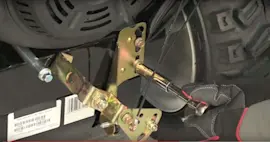
Owner’s manual
 View engine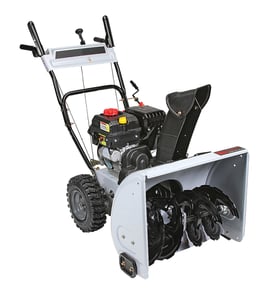



Can I use 5W30 instead of SAE 30 in my snowblower?
Yes, for Craftsman model 247886640, SAE 5W30 is the specified engine oil, so using 5W30 is appropriate. SAE 30 is typically a warm-weather oil; it can make cold starts harder and may not protect as well in snowblower temperatures. See the oil recommendations in the 247886640 owner’s manual.
What the manual recommends for 247886640
Our manual for this model lists engine oil: SAE 5W30 and also provides a temperature-based viscosity chart.
- 0°F to 32°F: SAE 5W30 (or SAE 10W)
- Above 32°F: SAE 30W
- Below 0°F: SAE 0W30 (synthetic)
Quick decision guide
Use this as a practical rule of thumb for a gas snowblower like the 247886640:
| Outdoor temperature | Best choice | Notes |
|---|---|---|
| Below 0°F | 0W30 (synthetic) | Best cold-start flow |
| 0°F to 32°F | 5W30 | Matches this model’s spec |
| Above 32°F | SAE 30 | Can increase cold-start drag if temps drop |
If you already poured in the “wrong” oil
If you accidentally used SAE 30 during cold weather, we recommend:
- Check whether the engine cranks slowly or struggles to start
- If starting is difficult, drain and refill with SAE 5W30
- Recheck oil level frequently after switching oils
- Avoid overfilling; keep the level at the “FULL” mark on the dipstick
Why it matters
Snowblower engines run in cold conditions; oil that is too thick can reduce lubrication at startup and make the recoil or electric starter work harder. Using the correct viscosity helps starting, reduces wear, and supports consistent performance.
Last updated: January 2026
Is a 2 stage or 3 stage snowblower better?
For the Craftsman snow thrower model 247886640, a 2-stage design is the right fit for most homeowners because it balances throwing power, traction, and cost for typical driveway and sidewalk clearing. A 3-stage snowblower can move deep, heavy plow piles faster, but it is usually heavier and more expensive.
How this applies to model 247886640
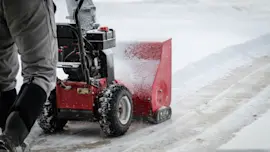
Your Craftsman 247886640 is a 24-inch, 2-stage snow thrower (5 HP). For many users, that means strong performance in normal winter conditions, especially when the skid shoes and shave plate are set correctly and the auger system is maintained per the 247886640 owner’s manual.
2-stage vs 3-stage: practical differences
- 2-stage: auger pulls snow in, impeller throws it out; great all-around choice
- 3-stage: adds an accelerator to feed snow faster; best for frequent deep, wet, compacted snow
- Weight and handling: 3-stage units are typically harder to maneuver and store
- Maintenance: both need belts, shear bolts, and lubrication; 3-stage adds complexity
- Cost: 3-stage usually costs more for the added intake system
Quick comparison
| Feature | 2-stage snowblower | 3-stage snowblower |
|---|---|---|
| Best for | Most driveways, moderate snowfall | Deep, heavy, icy snow and plow berms |
| Speed through heavy snow | Good | Faster |
| Maneuverability | Better | Usually harder |
| Complexity | Lower | Higher |
Why it matters
Choosing the right stage helps you avoid overbuying (extra weight and cost) or underbuying (slow clearing in heavy snow). With a 2-stage like the Craftsman 247886640, correct setup and upkeep often make a bigger real-world difference than “more stages.”
Setup tip that improves performance on any stage
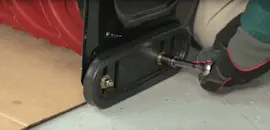
If you are scraping poorly or digging into gravel, adjust skid shoes and the shave plate height. Our how to replace snowblower skid shoes video is a helpful visual companion to the manual.
Last updated: January 2026
How long do gas snowblowers last?
A Craftsman gas snowblower like model 247886640 commonly lasts 10 to 15 years when it’s maintained on schedule and stored correctly; many units run longer when wear items are replaced as needed and fuel is managed properly. For model-specific maintenance intervals, use the 247886640 owner’s manual.
What most affects lifespan
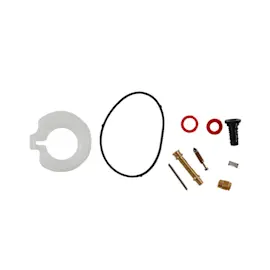
- Fuel care: fresh unleaded fuel, correct off-season storage, clean carburetor practices
- Oil changes: on-time oil changes and correct oil viscosity for temperature
- Wear items: skid shoes, shave plate, belts, and shear bolts replaced before they cause damage
- Operating habits: avoiding rocks, ice chunks, and overloading the auger/impeller
- Storage conditions: dry storage to reduce rust on cables, bearings, and fasteners
Model 247886640 maintenance checkpoints we recommend
Based on the maintenance schedule and specs in the manual for this model, focus on these recurring tasks:
- Change engine oil after the first 2 hours, then about every 25 hours of use
- Check V-belts about every 50 hours
- Inspect friction wheel rubber about every 25 hours
- Keep tire pressure even (manual notes 15 to 20 psi)
- Use the correct spark plug type and keep the gap set properly
Quick guide: “keep it” vs “repair it”
| What you’re seeing | Usually means | Typical next step |
|---|---|---|
| Starts easily, throws snow well | Normal condition | Keep up with oil, lubrication, and storage |
| Poor throwing distance | Wear or clog | Check chute, belts, shear bolts |
| Won’t self-propel | Drive system wear/adjustment | Inspect drive belt, friction wheel, cable adjustment |
| Excessive vibration | Loose/damaged auger/impeller components | Stop and inspect before further use |
Why it matters
A snowblower’s engine can last a long time, but neglected fuel, worn belts, or ignored vibration can shorten the life of the auger/impeller and drive system. Replacing key components early is usually cheaper than repairing secondary damage.
For seasonal prep, we also recommend how to make your snowblower last longer.
Last updated: January 2026