- Kenmore refrigerator water filters
- Whirlpool refrigerator water filters
- Samsung refrigerator water filters
- GE refrigerator water filters
- LG refrigerator water filters
- Frigidaire refrigerator water filters
- KitchenAid refrigerator water filters
- Maytag refrigerator water filters
- Kenmore Elite refrigerator water filters
- Estate refrigerator water filters
- GE Profile refrigerator water filters
- Amana refrigerator water filters
- Bosch refrigerator water filters
- Dacor refrigerator water filters
- Electrolux refrigerator water filters
Top DIY repair help
View All Repair Categories
Appliances
Lawn & Garden
Power Tools
Home Improvement
Sports & Leisure
Heating & Cooling
How to replace snowblower skid shoes video
less than a minute readNov 18Lyle Weischwill
Snowblower skid shoes attach to the sides of the auger housing and create the clearance that protects the shave plate and the bottom of the housing from scraping against the ground. As you use the snowblower, these plastic skid shoes gradually wear down, especially on concrete or rough pavement. Checking them regularly and replacing them before the shoes run too thin helps prevent damage to the shave plate. If your shave plate is already worn, you can replace it following our snowblower shave plate repair guide.
How to replace skid shoes
Skid shoes eventually wear flat from contact with pavement, so replacing them before they reach the end of their life is an important part of snowblower maintenance. To prevent uneven wear, replace both skid shoes at the same time.
New skid shoes help maintain the correct ground clearance, keep the shave plate from scraping, and ensure smooth movement across your driveway and sidewalks. Follow the steps in this video to remove the worn shoes and install new ones at the correct height.
Position a sheet of cardboard on the ground in front of the snowblower. The sheet of cardboard should fit under the blower housing and shave plate but not under the skid shoes.
Push the snow blower on top of the cardboard sheet so the shave plate rests on the cardboard but the sides of the auger housing and skid shoes straddle the cardboard sheet.
Remove the carriage bolts, washers and hex nuts that secure the skid shoes to the snowblower auger housing.
Remove the skid shoes.
Position the new skid shoes on the snowblower with their bottom surfaces sitting flat on the ground.
Install the carriage bolts, washers and hex nut to secure the new skid shoes at the proper height.
Remove the cardboard sheet.
Frequently asked questions about snowblower skid shoes
Why do my skid shoes wear out so fast?
Here are some common reasons why skid shoes wear out quickly on snowblowers:
Tilted skid shoes can wear out faster than normal. Make sure that the entire bottom of the skid shoes sit flat on the ground.
If the skid shoe on one side of the snowblower wears out faster than the skid shoe on the opposite side of the snowblower, adjust the skid shoes as shown in our How to adjust skid shoes article/video to set skid shoes evenly and at the proper height.
Make sure that you use the original equipment manufacturer (OEM) skid shoes instead of aftermarket skid shoes. The OEM skid shoes are made of high-grade polymer plastic that will typically last longer than aftermarket skid shoes.
Rough concrete or pavement surfaces can wear out skid shoes quickly. Keep an extra set of skid shoes on hand if you have brushed concrete or rough asphalt pavement on your driveway and/or sidewalks.
Why are snowblower skid shoes made of plastic?
Skid shoes are made of plastic because the plastic slides smoothly across concrete and pavement surfaces. The hard plastic is designed to wear down gradually as you use the snowblower.
Also, plastic doesn’t retain heat so the plastic skid shoes don’t get too hot and don’t stay hot from the friction of rubbing against concrete and pavement surfaces.
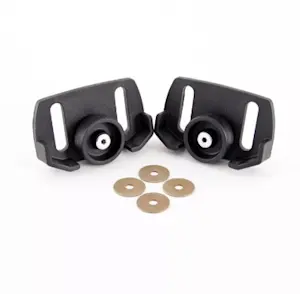
Why don’t snowblower skid shoes have rollers?
Rollers have to support the full weight of the snowblower, which can cause premature wear and performance issues on uneven, snow-covered surfaces. While most skid shoes do not use rollers, some snowblowers can use rolling skid shoes that fit specific models.
Troy-Bilt, Cub Cadet, and MTD rolling skid shoes: 490-241-0038
These can be used if they are compatible with your specific snowblower model.
Keeping your skid shoes in good condition is only one part of seasonal snowblower care. A full tune-up helps the engine start reliably, protects key components, and keeps the snowblower performing well in harsh winter conditions. You can follow our how to tune up a snowblower guide to handle the work yourself, or explore additional troubleshooting and repair tips on our snowblower repair help page.
If you prefer professional maintenance, you can schedule service with a Sears Technician. During snowblower maintenance service, the technician will:
Check the ignition system, carburetor, throttle, and choke controls.
Clean the engine cooling fins.
Change the engine oil.
Lubricate moving parts: pivot points, cables, auger shaft, and drive plate bearing.
Lubricate, inspect, and adjust drive belts and/or chains as applicable.
Test overall operation of the snowblower and ensure that all safety features are fully operational.
Having your snowblower professionally serviced every year will help prevent unexpected breakdowns during the snow clearing season. It will also help your snowblower last longer.