 Owner’s manual



What does oe mean in LG washing machine?
On an LG WM2277HS washer, the OE error code means the washer is not draining water fast enough. The most common causes are a clogged drain pump filter, a kinked or blocked drain hose, or a drain pump issue; clear the restriction first, then retest.
Quick checks to clear OE
- Unplug the washer before servicing to avoid electrical shock.
- Drain any standing water safely, then clean the drain path.
- Check the drain hose for kinks, crushing, or a clog.
- Clean the drain pump filter (it collects threads and small objects left in laundry).
- Run a Rinse and Spin cycle to confirm the drain problem is resolved.
Parts that commonly relate to OE on WM2277HS
If cleaning and hose checks do not fix OE, these model-matched parts are common next suspects:
| Symptom | What to inspect | Model-matched part example |
|---|---|---|
| Drains slowly, debris found | Drain pump filter and housing | Washer drain pump filter 383EER2001A |
| Filter area leaks after cleaning | Filter cap seal and seating | Washer drain pump filter drain hose plug 5006EN3015A |
| Still will not drain, pump hums or is silent | Drain pump motor and wiring | (Test pump and wiring per manual) |
Why it matters
OE is a drain protection alert. If the washer cannot drain, it can stop mid-cycle, leave clothes soaking wet, and strain the pump system. Clearing the filter and ensuring the drain hose is routed correctly fixes most OE situations.
Helpful reference
- Use the WM2277HS owner's manual for the exact maintenance steps and safety notes, including cleaning the drain pump filter and checking hoses.
Last updated: February 2026
What is the average lifespan of an LG washer?
Most LG washers, including the LG WM2277HS, typically last 10 to 15 years with normal household use. Consistent maintenance (especially keeping the door gasket area clean and running periodic hot cycles) is what most directly extends real-world life.
What affects washer lifespan the most
- Load size and balance: chronic overloading and frequent out-of-balance spins add wear
- Cleaning habits: residue and buildup shorten component life and can cause odors
- Water quality: hard water increases scale and can affect valves and heating performance
- Drain care: a clogged drain path strains the drain pump and increases cycle time
- Fast response to small issues: fixing leaks, fill problems, or noise early prevents bigger failures
Maintenance habits that extend life (WM2277HS)
The WM2277HS manual emphasizes routine cleaning and avoiding harsh chemicals that can damage washer components. Use these habits as your baseline:
- Wipe and dry the door opening, flexible gasket, and door glass after use
- Run an occasional hot-water cycle to help clean the interior
- Use only cleaners labeled safe for washing machines; avoid solvents and steel wool
- Clean the water circulation nozzle if it becomes clogged
- Keep the drain path clear; if draining slows, check the pump filter area
For model-specific care steps and intervals, follow the WM2277HS owner's manual.
Quick expectations by age
| Washer age | What’s typical | What to do |
|---|---|---|
| 0 to 5 years | Mostly routine upkeep | Clean gasket area, avoid overloads |
| 6 to 10 years | More wear items show up | Watch for leaks, fill/drain issues |
| 11 to 15 years | Higher chance of major repair | Compare repair cost vs. replacement |
Why it matters
A front-load washer’s lifespan is usually limited by avoidable stress (overloads, imbalance, buildup, and restricted draining). Good cleaning and drain care reduce strain on key parts like the door lock, inlet valves, and drain system.
Last updated: February 2026
What is the capacity of the LG WM2277HS?
The LG WM2277HS washer has a wash capacity of 4.22 cu. ft. (with an IEC rating of 3.72 cu. ft.). This is the usable drum capacity specification listed for this front-load washer in the WM2277HS owner's manual.
Capacity details (what the numbers mean)
LG lists two capacity figures for WM2277HS; both refer to the same washer, just measured differently.
| Capacity type | Value | What you’ll see it used for |
|---|---|---|
| Wash capacity | 4.22 cu. ft. | Practical capacity reference for the washer |
| IEC capacity | 3.72 cu. ft. | Standardized IEC test method comparison |
How to use capacity to avoid overload issues
Even with a 4.22 cu. ft. washer, load size and fabric type matter. We recommend these habits for best cleaning and spin performance:
- Load loosely; don’t pack items down into the drum
- Keep bulky items (comforters, jackets) to smaller loads
- Mix large and small items to balance the tumble
- Leave some space at the top of the drum for proper movement
- Use the right cycle and soil level for the load type
Why it matters
Correct loading helps the direct drive system tumble properly, improves rinse performance, and reduces out-of-balance spinning that can lead to vibration, longer cycle times, and wear on components like the door lock and drain system.
Last updated: February 2026
What is the capacity of the LG WM2277HS?
The LG WM2277HS washer has a wash capacity of 4.22 cu. ft. (with an IEC rating of 3.72 cu. ft.). You will see both numbers depending on how capacity is measured; both refer to the same WM2277HS tub size.
Capacity details (what the numbers mean)
LG lists two capacity figures for the WM2277HS:
- 4.22 cu. ft.: the commonly advertised wash capacity
- 3.72 cu. ft. (IEC): a standardized IEC measurement used for comparisons
- Both values describe the same washer; they are not different models
- Capacity does not change with cycle selection; cycles change time, temperature, and spin behavior
| Capacity type | Value | Where you’ll see it |
|---|---|---|
| Advertised wash capacity | 4.22 cu. ft. | Product listings and specs sheets |
| IEC capacity | 3.72 cu. ft. | Standards-based comparisons |
How to confirm you’re looking at the right spec
We recommend matching the capacity to the exact model number on the rating label and in the documentation.
- Confirm the model is WM2277HS (not WM2077CW or another WM2277H* variant)
- Use the specifications section in the WM2277HS owner’s manual
- If you are comparing to another washer, compare IEC capacity for the most consistent apples-to-apples number
Why it matters
Capacity affects how much laundry you can wash per load and how well the washer can tumble bulky items. Overloading a front-load washer can reduce cleaning performance and contribute to out-of-balance spinning.
Last updated: February 2026
What is the capacity of the LG WM2277HS?
The LG WM2277HS washer has a wash capacity of 4.22 cu. ft. (IEC: 3.72 cu. ft.). You can confirm the exact rating and how it’s measured in the WM2277HS owner's manual.
Capacity details (what the numbers mean)
LG lists two capacity figures for this washer:
| Capacity type | Value | What it’s used for |
|---|---|---|
| Wash capacity | 4.22 cu. ft. | Practical tub capacity reference |
| IEC capacity | 3.72 cu. ft. | Standardized test method comparison |
How to use capacity to size loads
To get the best cleaning and spin performance in a front-load washer like the WM2277HS:
- Load items loosely; don’t pack the drum tight.
- Fill the drum roughly 3/4 full for mixed loads.
- Wash bulky items (comforters, jackets) in smaller batches.
- Use HE detergent and measure carefully to reduce oversudsing.
- If the washer struggles to spin or balance, reduce the load size.
Why it matters
Capacity affects cycle performance, drying time, and wear on parts such as the drive system and door boot. Overloading commonly leads to poor rinsing, vibration, and out-of-balance spinning, even when the washer is working correctly.
Last updated: February 2026
What is the most common problem with LG washers?
The most common problems we see with LG washers like model WM2277HS are slow or no draining (often a clogged drain filter), out-of-balance spinning from uneven loads, and water fill problems caused by a kinked hose or a clogged inlet screen. For model-specific troubleshooting steps, use the WM2277HS owner's manual.
Most common issues (and what they look like)
- Drain problems: water stays in the tub, cycle stops, or draining is slow
- Unbalanced load: thumping, vibration, or the washer stops and tries to rebalance
- Fill problems: washer fills slowly or not at all
- Door/lock issues: won’t start or won’t spin because the door isn’t locking
- Leaks or suds: loose hose connections, too much detergent, or a seal issue
Quick checks we recommend first
- Redistribute the load (mix large and small items; avoid washing a single heavy item alone).
- Check the drain path: straighten the drain hose and clean the drain filter.
- Verify water supply: fully open both supply taps; straighten hoses.
- Clean inlet screens: check the inlet hose filter screens for debris.
- Confirm the door is fully closed: the washer must lock before it will spin.
Parts that commonly relate to these symptoms
| Symptom | Common cause | Example part for WM2277HS |
|---|---|---|
| Won’t drain / drains slowly | Clogged filter or restricted drain path | Washer drain pump filter 383EER2001A |
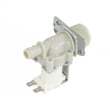
| Fills slowly / won’t fill | Clogged inlet screen or failing valve | Washer water inlet valve 5221ER1003A |
| Leaks at the door area | Worn or torn door boot | Washer door boot 4986ER0004B |
Why it matters
Drain and fill restrictions can make cycles run longer, leave clothes wetter, and trigger repeated rebalancing attempts. Catching a clogged filter or kinked hose early helps prevent pump strain and nuisance stoppages.
Last updated: February 2026
Why is my LG Tromm washer not draining?
For an LG WM2277HS (Tromm) washer, a no-drain problem is usually caused by a clogged drain filter, a kinked or blocked drain hose, or an obstruction in the pump. We recommend checking and cleaning the drain path first because it fixes most “won’t drain” complaints quickly.
Quick checks that solve most no-drain issues
- Unplug the washer before servicing.
- Check the drain hose for kinks, crushing, or a clog; straighten and clear it.
- Clean the drain filter (coins, pins, lint can block it).
- Listen for the drain pump running; a loud hum with no draining often points to a blockage.
- If the tub is over-sudsing, reduce detergent and run a rinse and spin to clear suds.
For model-specific maintenance and troubleshooting steps, use the WM2277HS owner's manual.
Parts that commonly affect draining on WM2277HS
If cleaning the drain path does not restore draining, these parts are common next suspects:
| Symptom | Most likely area | What to do next |
|---|---|---|
| Drains slowly | Drain filter or drain hose | Clean filter; clear/straighten hose |
| Won’t drain at all | Pump path blocked or pump not moving water | Check for debris; inspect pump/filter area |
| Leaks during drain | Hose connection or hose damage | Inspect clamps and hoses for seepage |
If you need the filter itself, match it to the model using the washer drain pump filter 383EER2001A.
Why it matters
A restricted drain system can stop the spin cycle, leave clothes soaking wet, and strain the drain pump. Clearing the drain filter and hose helps the washer drain at full flow and prevents repeat clogs.
Last updated: February 2026


