Owner’s manual


What is the most common problem with the Samsung washing machine?
On the Samsung WF220ANW washer, the most common problems we see are drain-related issues (slow/no drain, “nd” type drain errors) and spin-related complaints (vibration, stopping mid-cycle, unbalanced load codes). These often trace back to a clogged debris filter, an unbalanced load, or an installation/leveling issue.
Quick checks we recommend first (WF220ANW)
Start with the items that fix the highest number of complaints without replacing parts. Use the steps and safety notes in the WF220ANW user manual.
- Clean the drain pump debris filter and check the pump area for small items (coins, pins, lint).
- Verify the washer is level on all four legs; re-level if it rocks.
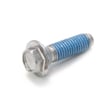
- Confirm shipping bolts were removed (common cause of severe vibration after installation).
- Reduce load size for bulky items; add a few towels to help balance.
- Use only HE detergent and reduce amount if you see excessive suds.
Symptoms and the most likely causes
| Symptom | Most common cause | What to do next |
|---|---|---|
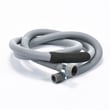
| Won’t drain or drains slowly | Clogged debris filter or kinked drain hose | Clean filter; straighten hose |
| Shakes or “walks” during spin | Unlevel washer, shipping bolts still installed, unbalanced load | Level washer; remove bolts; rebalance load |
| Stops mid-cycle | Suds, drain restriction, door not fully locked | Reduce detergent; check drain; restart cycle |
| Clothes too wet at end | Load too small/unbalanced, low spin selection | Rebalance; choose higher spin |
Why it matters
Drain and balance problems can trigger repeated error codes, leave clothes soaking wet, and put extra strain on the drain pump, motor, and suspension. Fixing the root cause early helps prevent repeat breakdowns and nuisance stoppages.
Helpful DIY references
- For drain error troubleshooting, use our Samsung front load washer nd error code guide.
- For out-of-balance and spin issues, use our Samsung front load washer dc error code guide.
Last updated: January 2026
What is the lifespan of a Samsung front load washer?
A Samsung front-load washer like model WF220ANW typically lasts 10 to 15 years with normal household use. You will usually reach the high end of that range by keeping the tub and door seal clean, using HE detergent, and avoiding chronic overloading.
What affects lifespan the most
These are the biggest factors we see that shorten (or extend) the life of a front-load washer:
- Load size and balance: repeated overloading or frequent unbalanced loads increase wear on the tub, bearings, and suspension.
- Detergent choice: using HE detergent helps prevent excess suds that can stress the drain system and leave residue.
- Moisture control: leaving the door closed all the time can encourage odor and buildup around the door seal/bellow.
- Routine cleaning: running the washer’s cleaning cycle and cleaning the debris filter helps prevent drain and odor issues.
- Installation and leveling: an out-of-level washer vibrates more and can wear parts faster.
WF220ANW care steps that help it last longer
Your WF220ANW manual includes specific maintenance items such as cleaning the debris filter and cleaning the door seal/bellow; follow the intervals and steps in the WF220ANW user manual.
- Run the washer’s tub-clean cycle regularly (Samsung calls this Pure Cycle on many WF220 models).
- Wipe the door seal/bellow dry and check for small items after loads.
- Clean the debris filter if draining slows or you see a drain-related code.
- Use the correct amount of HE detergent (too much can cause oversudsing).
- Keep the washer level and stable to reduce vibration during high-speed spin.
Quick reference: what “normal life” looks like
| Washer age | What’s typical | What to do |
|---|---|---|
| 0 to 5 years | Mostly routine maintenance | Keep it clean, use HE detergent |
| 6 to 10 years | Occasional repairs may start | Watch for leaks, noise, drain issues |
| 11 to 15 years | Higher chance of major wear | Compare repair cost vs. replacement |
Why it matters
A front-load washer’s biggest lifespan killers are moisture-related buildup (odor, residue, seal issues) and mechanical stress (overloading, vibration). Consistent cleaning and correct loading protect high-wear components like the drain system, door seal, and spin system.
Last updated: January 2026
What is the capacity of Samsung WF220ANW XAA?
For the Samsung WF220ANW washer, the exact tub capacity is not stated in the model’s available WF220ANW user manual, so we can’t confirm a model-specific cubic-foot rating from the provided documentation. If you see 4.0 cu. ft. listed elsewhere, treat it as a non-verified listing for this exact model.
What we can confirm for WF220ANW
The manual confirms this is an “extra large capacity” front-load washer, but it does not provide a numeric cu. ft. value.
- Front-load Samsung washer (WF220 series)
- Described as “extra large capacity”
- Designed for bulky items and mixed loads
- Uses high-efficiency (HE) detergent
- Includes cycles such as Normal, Heavy Duty, Perm Press, and (on WF220*) Sanitize
How to estimate usable loading space (practical guidance)
Even without a published cu. ft. number, you can load by drum fill level to protect the door boot, reduce vibration, and improve cleaning.
| Load type | Target fill level | Notes |
|---|---|---|
| Everyday mixed laundry | About 3/4 full | Leave space for tumbling; don’t pack items down |
| Towels/jeans | About 1/2 to 2/3 full | Dense loads need more room to balance during spin |
| Bulky bedding | 1 bulky item plus a few towels | Helps balance and improves tumbling |
Why it matters
Correct loading helps your WF220ANW clean better, spin out more water, and avoid unbalanced-load interruptions and drain issues.
If the washer won’t drain or shows an “nd” message, use Samsung front load washer nd error code to narrow down common causes.
Last updated: January 2026
Can I fix the UB error myself?
Yes, you can often fix a UB (unbalanced) condition yourself on your Samsung WF220ANW by redistributing the load and making sure the washer is level. If UB keeps returning with normal, properly loaded cycles, it can point to a vibration-control or tub-support problem that may need repair.
Quick DIY checks (start here)
- Pause the cycle, redistribute items evenly, then restart.
- Avoid very small loads (1 to 2 items) that can shift and trigger UB.
- Do not overload; overloading increases vibration and can prevent a stable spin.
- Wash bulky, machine-washable items (such as bedding) with a few towels to improve tumbling and balance.
- Do not wash throw rugs or doormats; the WF220ANW manual warns they can cause problems (including drain-related errors).
Leveling and setup (most common fix)
An out-of-level washer is one of the most common reasons UB repeats. The WF220ANW uses adjustable legs; once leveled, the cabinet should feel solid on all four corners. See the step-by-step procedure in the WF220ANW manual.
- Place a level on the top of the cabinet (front-to-back and side-to-side).
- Adjust the leveling legs until the washer is stable.
- Tighten the locking nuts after leveling.
When UB points to a repair
If the washer is level and loads are appropriate but the tub still bangs, walks, or won’t reach full spin, a mechanical issue is more likely.
| What you notice | More likely cause | Typical next step |
|---|---|---|
| UB mainly with one bulky item | Load distribution | Re-load, add towels, reduce spin |
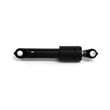
| Shaking with most loads | Worn shocks/suspension | Inspect and replace worn components |
| Rumbling/grinding during spin | Bearing or tub support issue | Service-level repair recommended |
Why it matters
Repeated UB events can stop the washer from spinning out water, leave clothes too wet, and add stress to the suspension and tub system.
Related help
If you’re seeing other codes along with vibration or spin issues, compare symptoms in our Samsung front load washer error codes guide.
Last updated: January 2026