



Can you put 87 gas in a pressure washer?
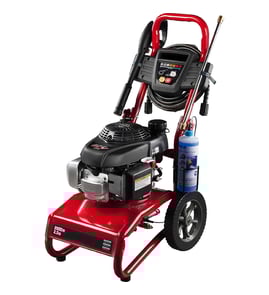
Yes. For the Craftsman CMXGWAS020735 gas pressure washer, regular unleaded gasoline with an 87 octane rating is the standard, safe choice for normal operation. Higher octane fuel typically does not improve cleaning power; it mainly helps only if an engine specifically requires it.
What fuel to use (and what to avoid)
Use fresh, clean gasoline and keep it simple:
- Use regular unleaded 87 octane from a busy station (fresher fuel).
- Avoid old gas (more than 30 days in a can) because it can cause hard starting and surging.
- Avoid gasoline contaminated with water or dirt.
- Avoid mixing oil into the gas (this is a 4-cycle engine setup).
- If your area sells E15 or higher ethanol blends, skip them; most small engines run best on E10 or ethanol-free fuel.
Quick fuel guidance table
| Fuel type | Works in most gas pressure washers? | Notes |
|---|---|---|
| Regular unleaded 87 (E0 or E10) | Yes | Best everyday choice for starting and steady running. |
| Midgrade/premium (89 to 93) | Usually | Not a performance upgrade unless the engine calls for it. |
| E15 or higher ethanol blend | No (recommended to avoid) | Can contribute to fuel system issues in small engines. |
| Mixed gas (2-cycle mix) | No | Can foul the plug and smoke; wrong for 4-cycle engines. |
If it runs rough after fueling
Fuel issues often show up as surging, stalling, or no-start. Check these in order:
- Drain and replace old fuel with fresh 87 octane.
- Confirm the water supply is fully on and the inlet screen is clear.
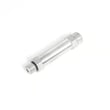
- Try a different spray tip; a partially clogged tip can load the pump and affect engine speed (see pressure washer spray nozzle 195983ZGS).
- Inspect for air leaks or restrictions in the detergent pickup line if you use soap (see pressure washer chemical hose 705076).
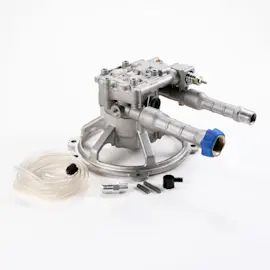
- Verify the pump connections are tight; vibration can loosen hardware over time (see pressure washer pump mounting hardware kit 315033GS).
Why it matters
Using the right gasoline helps the engine start easily, run smoothly under load, and reduces carburetor and fuel-system problems that can look like pump or nozzle failures.
Last updated: February 2026
How to attach nozzle to Craftsman pressure washer?
To attach a nozzle on a Craftsman CMXGWAS020735 gas pressure washer, pull back the quick-connect collar on the spray wand, push the nozzle tip in fully, then release the collar and tug the tip to confirm it locked in place.
Quick-connect steps (most common setup)
- Shut off the engine and squeeze the trigger to relieve pressure.
- Pull back the collar on the wand’s quick-connect fitting.
- Insert the nozzle tip until it bottoms out.
- Release the collar so it snaps forward.
- Tug the nozzle tip firmly; it should not pull out.
- Start the washer and test spray away from people, pets, and windows.
If the nozzle will not click in
Most attachment problems come from debris, worn seals, or using the wrong style tip.
| What you see | Likely cause | What to do |
|---|---|---|
| Tip goes in but pops out | Collar not fully released or tip not seated | Reinsert; release collar; tug-test again |
| Tip will not insert | Dirt/rust in coupler | Rinse coupler; wipe tip; try again |
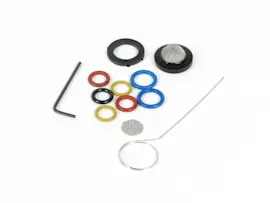
| Leaks at the connection | Worn or nicked O-ring | Replace seals using the pressure washer o-ring kit 317789GS |
| Spray pattern is weak or uneven | Clogged or worn nozzle | Clean or replace the tip; consider the pressure washer spray nozzle 195983ZGS |
Why it matters
A nozzle that is not fully locked can blow off under pressure, and a leaking or clogged tip reduces cleaning power and can make the pump work harder. A quick tug-test after installation prevents most issues.
Last updated: February 2026
What is a good PSI for a gas pressure washer?
For a Craftsman gas pressure washer like model CMXGWAS020735, a good working range for most home cleaning is 2,000 to 3,000 PSI. Use lower PSI for vehicles and painted surfaces, and higher PSI for concrete and tough grime (with extra care to avoid damage).
Quick PSI guide by task
- 1,200 to 2,000 PSI: cars, patio furniture, grills (use a wider spray pattern)
- 2,000 to 3,000 PSI: driveways, sidewalks, decks, siding (most household jobs)
- 3,000 to 4,000 PSI: heavy-duty concrete cleaning, stripping stubborn coatings (highest risk of etching or gouging)
- Any PSI: detergent application typically uses the low-pressure soap setting and a chemical pickup hose
PSI vs GPM (why both matter)
PSI is the “force,” but GPM (gallons per minute) is the “rinse power.” Two washers with the same PSI can clean very differently if GPM is different.
| What you’re comparing | Higher value does what | Typical downside |
|---|---|---|
| PSI | Breaks stuck-on dirt faster | More surface damage risk |
| GPM | Rinses and flushes grime faster | Uses more water |
| PSI x GPM (cleaning units) | Better overall cleaning speed | Usually higher cost/weight |
How to choose the right pressure on your washer
- Start with the widest spray nozzle and increase only as needed.
- Keep the tip moving; don’t “park” the spray in one spot.
- Increase distance first (back up), then increase pressure.
- Use detergent for oily or organic buildup; let it dwell briefly, then rinse.
- If soap is not drawing, check the pressure washer chemical hose 705076 for cracks, clogs, or loose connections.
Why it matters
Using the right PSI helps you clean faster while preventing common problems like etched concrete, splintered wood, damaged paint, and water intrusion behind siding.
Last updated: February 2026
What kind of oil to put in a Craftsman pressure washer?
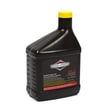
For the Craftsman CMXGWAS020735 gas pressure washer, you add oil to the 4-cycle engine only; the pump is factory-lubricated and sealed, so it does not take pump oil. Use SAE 30 small-engine oil for warm weather or 10W-30 for broader temperature ranges.
What to use (engine oil)
Choose oil based on operating temperature and keep the level at the full mark on the dipstick.
- SAE 30: best for consistently warm temperatures
- 10W-30: good all-around choice for changing temperatures
- Use 4-cycle small-engine oil (detergent engine oil is correct for the engine)
- Check oil level before every use
- Change oil regularly to prevent hard starting and premature wear
A convenient option is lawn & garden equipment 4-cycle engine oil, sae30, 18-oz 100005.
What not to do (pump oil)
The CMXGWAS020735 pump is sealed and pre-lubricated; adding oil to the pump is not part of normal maintenance.
- Do not look for a pump oil fill plug or sight glass
- Do not add non-detergent pump oil
- Do not over-lubricate or attempt to open the pump crankcase
Quick reference
| Component | Oil needed? | What to do |
|---|---|---|
| 4-cycle engine | Yes | Use SAE 30 or 10W-30; fill to dipstick full mark |
| Pump | No | Leave sealed pump as-is; focus on water supply and hose/nozzle condition |
Why it matters
Correct engine oil protects the engine from heat and friction. Trying to add pump oil on a sealed pump can lead to leaks, contamination, and avoidable pump problems.
Last updated: February 2026
Why is my Craftsman pressure washer not working?
If your Craftsman gas pressure washer model CMXGWAS020735 is not working, the most common causes are a water supply problem, a clogged nozzle or inlet screen, or a pump issue that prevents pressure from building. Start with the quick checks below before replacing parts.
Quick checks (most fixes take 5 to 10 minutes)
- Confirm the garden hose is fully on and the water is turned on; you need steady flow before starting the engine.
- Disconnect the spray wand and squeeze the trigger to purge air; then reconnect and try again.
- Check the spray tip for blockage; swap to a different tip if you have one.
- Inspect the water inlet screen (where the garden hose connects) and rinse out grit.
- Make sure the high-pressure hose is not kinked and the couplers are fully seated.
- If you used detergent, flush the system with clean water and check the chemical pickup line for cracks.
Parts that commonly cause “runs but no pressure”
If the engine runs but you have little or no pressure, these parts are frequent culprits on gas pressure washers:
| Symptom | Likely area | What to do next |
|---|---|---|
| Good water flow, weak spray | Nozzle/tip | Clean or replace the tip; consider pressure washer spray nozzle 195983ZGS. |
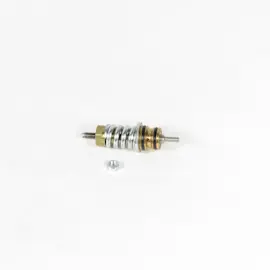
| Pressure surges or won’t build | Pump check valves | Inspect valves and seals; consider pressure washer check valve kit 204082GS. |
| Leaks at fittings, air getting in | O-rings/seals | Replace worn seals; consider pressure washer o-ring kit 317789GS. |
| Won’t draw soap | Chemical pickup line | Check for splits and clogs; consider pressure washer chemical hose 705076. |
Why it matters
A pressure washer pump depends on solid water supply and airtight seals. A partially clogged nozzle, a dirty inlet screen, or a leaking O-ring can make the pump cavitate (suck air), which quickly leads to low pressure, surging, and poor cleaning performance.
Safety notes before troubleshooting
- Turn off the engine and disconnect the spark plug wire before working near the pump or unloader area.
- Relieve pressure by squeezing the trigger with the engine off before disconnecting hoses.
Last updated: February 2026