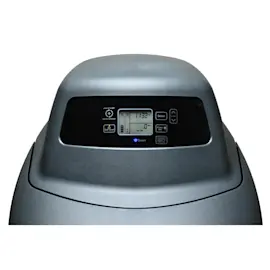
Owner’s manual
 Error Codes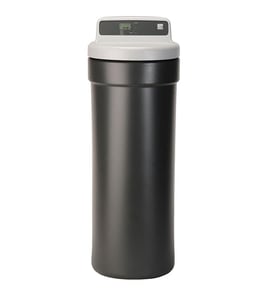



What is the life expectancy of a Kenmore water softener?
A Kenmore water softener like model 625383560 typically lasts 8 to 15 years; about 10 years is a solid average for normal household use. Lifespan depends most on water hardness, iron/sediment levels, and whether the unit is kept supplied with the right salt and cleaned periodically per the 625383560 owner’s manual.
What affects lifespan the most
- Water quality: high hardness, iron, or sediment makes the resin bed and valve work harder.
- Salt type and salt management: pellet or nugget salt helps reduce bridging and sludge.
- Regeneration frequency and settings: incorrect hardness settings can cause overwork or poor softening.
- Maintenance habits: periodic cleaning and sanitizing helps prevent performance loss.
- Plumbing conditions: high pressure, hot water backflow, or freezing can shorten life.
Signs your softener is nearing end of life
- Hard water symptoms return (spots, scale, soap not lathering)
- Soft water runs out quickly between regenerations
- Frequent service issues such as sticking valve operation or repeated error codes
- Resin beads showing up in water (a common “time to rebuild or replace” indicator)
Typical lifespan by component (what usually fails first)
| Component | Typical service life | What you notice |
|---|---|---|
| Resin bed | 8 to 15 years | Hard water returns, possible resin beads in water |
| Valve seals/rotor parts | 5 to 10+ years | Leaks, poor regeneration, salty water |
| Drive motor/switches | 5 to 10+ years | Stalling during regen, no movement, error codes |
Maintenance that helps you reach the high end of the range
- Keep the brine tank about 1/4 to 1/2 full in humid areas to reduce salt bridging
- Use pellet or nugget water softener salt (avoid rock salt)
- Clean out the salt tank every 2 to 3 years
- Sanitize the unit occasionally (especially after long shutdowns)
- If you have iron or sediment, consider using the unit’s cleaning features and periodic resin cleaning
Why it matters
A softener that is past its effective lifespan can waste salt and water while still letting hardness through. Knowing the typical 8 to 15-year range helps you decide whether to troubleshoot, rebuild key valve components, or plan for replacement.
Last updated: January 2026
How often should a water softener system be serviced?
For the Kenmore water softener model 625383560, we recommend basic homeowner maintenance monthly and a deeper cleaning checkup yearly. Keep salt in the tank, watch for bridging, and sanitize or clean the valve components as needed to maintain consistent soft water.
Recommended service schedule (625383560)
- Weekly to monthly: Check salt level; refill before it gets too low.
- Monthly: Quick inspection for leaks, kinks in drain tubing, and proper bypass valve position.
- Every 6 to 12 months: Verify your hardness setting still matches your water; adjust if your water source changes.
- Yearly: Sanitize the softener and inspect the nozzle/venturi area for buildup.
- Every 2 to 3 years: Clean out the salt storage tank (helps prevent sludge and salt bridging).
For step-by-step maintenance details specific to this unit, use the 625383560 owner’s manual.
What you can do yourself (most common upkeep)
- Keep the salt tank about 1/4 to 1/2 full in humid areas to reduce salt bridging.
- Use pellet or nugget water softener salt (avoid rock salt that can add dirt and sediment).
- If you use potassium chloride (KCl), check the brine tank monthly for hardening.
- Run a manual regeneration after heavy water use or if the unit ran out of salt.
- Sanitize the unit periodically, especially after installation or if the system has been idle.
When parts may be involved
If you notice hard water returning, frequent regenerations, or the unit not drawing brine, service often includes cleaning the venturi/nozzle area and checking seals.
| Symptom | What service usually targets | Example part that may apply |
|---|---|---|
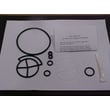
| Hard water, unit seems to regen but results are poor | Valve sealing surfaces, internal seals | Kenmore water softener seal kit 7129716 |
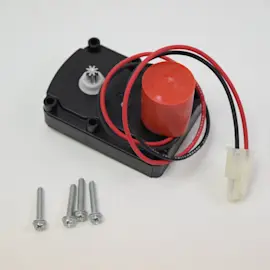
| Unit stalls during regen or makes repeated clicking | Drive motor and gear movement | Kenmore water softener valve motor 7286039 |
| Can’t isolate softener for service or bypass leaks | Bypass valve assembly | Kenmore elite water softener bypass valve 7278434 |
Why it matters
Regular service keeps the resin bed regenerating correctly, prevents salt bridging and sludge, and helps you catch small leaks or valve issues before they cause hard water or wasted salt.
Last updated: January 2026
Is it worth repairing a water softener?
For the Kenmore 625383560 water softener, repairing is usually worth it when the problem is isolated to common wear parts (valve seals, motor, switch, bypass leaks) and the tank is sound. Replacement makes more sense when the unit has repeated failures, resin problems, or major leaking.
Quick decision checklist
We typically recommend repair when most of these are true:
- The softener still powers on and can enter regeneration
- Hard water started suddenly (not a long-term decline)
- The issue points to the valve area (sticking, not advancing, leaking at fittings)
- You can confirm correct settings (time, hardness, recharge time)
- The tank and salt storage drum are not leaking
Replacement is usually the better value when:
- You have frequent service issues (multiple repairs in a year)
- You see resin beads in plumbing fixtures (resin bed failure)
- The cabinet, tank, or drum is cracked or leaking
- The control is unreliable and other valve parts are also worn
- Water quality needs have changed (higher hardness, iron, or flow demand)
Common repairs that are often cost-effective
On model 625383560, these are typical “fix it” items:
- Valve not advancing or stuck in a cycle: Kenmore water softener valve motor 7286039
- Intermittent position sensing issues: waterworks water softener rotor position switch 7030713
- Internal valve leaking or not sealing well: Kenmore water softener seal kit 7129716
- Leaks or service/bypass problems at the plumbing connection: Kenmore elite water softener bypass valve 7278434
Repair vs replace comparison
| Situation | Usually best choice | Why |
|---|---|---|
| One clear failed part (motor, switch, seal) | Repair | Restores operation without replacing the whole system |
| Repeated hard water complaints after multiple fixes | Replace | Indicates broader wear or resin/valve body issues |
| Tank/drum leak | Replace | Structural leaks are not a “small parts” repair |
| Settings or maintenance issue (salt bridge, wrong hardness) | Repair/maintain | No major parts needed |
Why it matters
A working softener protects plumbing, water heaters, and appliances from scale buildup. A targeted repair can restore soft water quickly and avoid the cost and disruption of a full replacement.
Model-specific tip
Use the 625383560 owner’s manual to verify hardness setting, recharge time, and basic troubleshooting steps before buying parts; incorrect programming can mimic a failed valve.
Last updated: January 2026
Why is there standing water in my Kenmore water softener?
Standing water in the brine (salt) tank of your Kenmore 625383560 water softener usually means the unit is not draining correctly during regeneration or the brine system is not drawing brine as designed. The most common causes are a restricted drain hose, a clogged nozzle/venturi, or a brine valve float issue.
Quick checks we recommend first
- Make sure the bypass valve is in SERVICE, not BYPASS.
- Inspect the valve drain hose for kinks, pinches, or a blocked end; the hose must run downhill and have an air gap at the drain.
- Confirm the overflow drain line is separate from the valve drain hose (they should not be tied together).
- Break up any salt bridge or salt mush that can interfere with brine making and brine draw.
- Run a manual regeneration and watch for normal drain flow during the cycle.
For model-specific drain routing and air-gap requirements, follow the steps in the 625383560 owner’s manual.
Parts that commonly cause standing water (and what they do)
If the drain line is clear but water still stays high in the tank, these parts are often involved:
- Water softener nozzle and venturi housing 7081104: creates suction to draw brine; clogs can stop brine draw.
- Water softener brine valve float seal 0516211: helps the float valve seal properly; wear can cause fill or shutoff problems.
- Water softener brine valve screen 7131365: screens debris in the brine valve area; blockage can restrict flow.
What you should see during a regen (simple guide)
| Regen step | What’s normal | What points to a problem |
|---|---|---|
| Fill | Water level rises some | Overfilling or never stops filling |
| Brine draw | Water level drops steadily | Level does not drop (no suction) |
| Rinse | Strong drain flow | Weak or no drain flow |
Why it matters
Standing water can dilute brine, reduce softening performance, and eventually lead to overflow at the brine tank. Fixing the drain path and brine draw issue restores normal regeneration and helps prevent salt waste.
If you’re also seeing a code on the display, use our Kenmore error codes guide to narrow the failure to the motor, switch, or valve position system.
Last updated: January 2026
How much does it cost to replace resin beads in a water softener?
For the Kenmore 625383560 water softener, the owner’s manual focuses on installation, setup, operation, and troubleshooting; it does not cover pricing for resin rebedding or labor. In practice, replacing resin beads is usually quoted as a service job, and total cost depends mostly on resin volume and any additional internal repairs needed (see the 625383560 owner’s manual).
Typical cost ranges (common U.S. estimates)
These ranges are typical for residential water softeners; your local pricing can vary.
| Cost item | Typical range | Notes |
|---|---|---|
| Resin/media (material only) | $150 to $500 | Resin beads; sometimes includes underbed media |
| Professional labor | $200 to $800 | Media removal, refill, reassembly, leak check |
| Total installed | $350 to $1,300 | Most “resin only” rebedding jobs |
What usually changes the price
- Tank size and resin volume required
- Iron fouling or heavy sediment that makes media removal harder
- Whether the valve needs resealing or internal service at the same time
- Access to the unit (tight space, plumbing modifications)
- Service call minimums and local labor rates
When resin replacement is likely (and when it is not)
Resin replacement is most common when the softener can’t hold capacity even after correct programming and salt use.
- Hard water returns quickly after regeneration
- Resin beads show up at faucets (often tied to a damaged distributor)
- The unit regenerates but water stays hard
- The softener is older and has never had media replaced
If you’re seeing beads in the plumbing, troubleshoot that symptom first because it can point to a broken internal screen or distributor. Our guide on water softener resin beads in water can help you narrow it down.
Why it matters
A rebedding can restore soft water performance, but if the control valve is leaking internally or the distributor is damaged, you can replace resin and still have problems. Confirm the root cause before paying for a media swap.
Last updated: January 2026