Owner’s manual



How to fix rubber seal on KitchenAid dishwasher?
On KitchenAid dishwasher model KUDS01FLSS3, a “rubber seal” is usually the door gasket. We fix it by cleaning the channel, pressing the gasket in evenly all the way around, and then keeping the door closed so the gasket seats and holds its shape.
The door seal can be damaged by sharp items, so we recommend checking loading habits and clearing anything that could nick the gasket. See the loading and care guidance in the KUDS01FLSS3 owner’s manual.
- Turn off power at the breaker before working around the door area
- Let the dishwasher cool if it just ran (avoid hot surfaces)
- Remove the lower rack for easier access
- Wipe the gasket channel with warm water and mild soap; dry it fully
- Inspect for tears, flattening, or hardened sections
- Start at the top center of the tub opening.
- Press the gasket “barb” into the channel using your fingers (no sharp tools).
- Work down both sides evenly, then finish across the bottom.
- Close and latch the door; keep it closed for several hours (overnight works well).
- Run a short cycle and watch for drips at the corners
- Confirm the gasket is not twisted and is fully seated in the channel
- Make sure dishes are not protruding and contacting the seal
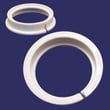
If the gasket is torn, permanently deformed, or won’t stay in the channel, replacement is the reliable fix. For KUDS01FLSS3, a common related leak point is also the door seal area; if you’re seeing moisture near the bottom edge, inspect the door gasket and the lower spray area for splash issues.
| What you see | Likely cause | Best next step |
|---|---|---|
| Leak at one corner | Gasket not fully seated | Reseat and latch door overnight |
| Leak along bottom | Flattened or damaged gasket | Replace gasket |
| Seal looks fine but still leaks | Door not closing square, hinge issue | Inspect hinges and latch alignment |
A properly seated door gasket prevents leaks, protects the floor, and helps the dishwasher maintain correct wash pressure for better cleaning and drying.
Last updated: February 2026
What's the average lifespan of a KitchenAid dishwasher?
Most KitchenAid dishwashers, including model KUDS01FLSS3, typically last 10 to 14 years with normal household use. Consistent cleaning, correct loading, and fixing small problems early help you reach the high end of that range.
- Water quality (hard water speeds up scale buildup on the wash system)
- How often you run it (daily use wears pumps, seals, and racks faster)
- Cleaning and maintenance (filters, spray arms, and sump area)
- Loading habits (preventing dishes from striking each other reduces breakage and rack damage)
- Fast response to symptoms (leaks, grinding noises, poor draining)
The KUDS01FLSS3 owner's manual includes care and troubleshooting guidance that directly supports longer life, such as loading dishes so they stay stable and do not strike together, and addressing persistent grinding or buzzing noises that can indicate an object in the wash module.
| Dishwasher age | What we typically recommend | Why |
|---|---|---|
| 0 to 5 years | Repair is usually worth it | Most components still have plenty of service life left |
| 6 to 10 years | Compare repair cost to performance | Wear items like seals, hoses, and pumps start to show up |
| 11 to 14 years | Repair only if the fix is straightforward | Multiple parts may be nearing end-of-life |
| 15+ years | Plan for replacement | Reliability drops and repairs stack up |
A dishwasher that is nearing end-of-life often shows up as poor cleaning, draining issues, leaks, or unusual noises. Catching those early can prevent secondary damage to the tub area, door seal, and wash system.
Last updated: February 2026
Where are KitchenAid dishwasher parts made?
KitchenAid dishwasher parts for model KUDS01FLSS3 are sourced from multiple manufacturing locations, so there is no single country or factory that applies to every part. The most reliable way to confirm origin for a specific replacement part is to check the packaging label and the part’s markings, then match it to the part number used for your dishwasher.
- Check the outer box label for “Made in …” or “Country of origin.”
- Look for molded, stamped, or printed markings on the part itself.
- Match the label to the exact replacement you’re ordering (part numbers can supersede).
- Keep your dishwasher’s model and serial information handy for cross-checking.
- Use the diagrams and part list in the KUDS01FLSS3 owner's manual to identify the correct component before ordering.
If you’re trying to confirm origin for a specific repair, start with the exact component you’re replacing:
| What you’re replacing | Example part for KUDS01FLSS3 | What to check for origin |
|---|---|---|
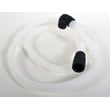
| Drain connection | Dishwasher drain hose 8269144A | Label on hose or bag, plus box sticker |
| Door sealing surface | Gasket W11196317 | Printing on gasket, bag label |
| Wash performance component | Pump motor W10782773 | Motor tag/plate and carton label |
Country of origin does not change fit for KUDS01FLSS3 when you use the correct part number, but it can help when you are comparing suppliers, verifying packaging, or documenting service history for your KitchenAid dishwasher.
Last updated: February 2026
What is the most common problem with a KitchenAid dishwasher?
The most common KitchenAid dishwasher problem we see on the KUDS01FLSS3 is poor wash results caused by restricted water flow inside the wash system (clogged spray arm ports, a dirty chopper area, or circulation issues). Drain problems and door leaks are also frequent and usually trace back to a hose, pump, or gasket.
- Clean the filter area and remove any debris you can reach safely.
- Inspect spray arm holes for clogs; clear them with a toothpick and rinse.
- Confirm the dishwasher is getting hot water at the sink before starting a cycle.
- Check for standing water after the cycle (a sign of a drain restriction).
- Look for water at the bottom of the door (often a door seal or vent gasket issue).
- If you hear grinding or crunching, stop using it and check for a hard object in the wash module.
| Symptom | Most likely cause | What to do first |
|---|---|---|
| Dishes still dirty | Clogged spray arm, food debris in chopper area, weak circulation | Clean spray arms and sump area; run a hot cycle |
| Standing water | Drain hose restriction, drain pump issue | Check the drain path and air gap/garbage disposal inlet |
| Leaking at door | Worn door seal or vent gasket | Inspect seals for tears, flattening, or gaps |
| Loud grinding/buzzing | Hard object in wash module | Remove obstruction; if noise persists after a full cycle, service is needed |
If cleaning and basic checks do not help, these model-compatible parts are often involved:
- Dishwasher drain hose 8269144A (kinks, clogs, or poor routing can cause drain issues)
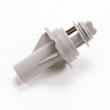
- Dishwasher chopper assembly W10083957V (debris can reduce chopping and circulation)
- Dishwasher vent gasket WP8269259 (a common leak point around the vent)
- Gasket W11196317 (door sealing issues that lead to leaks)
Poor cleaning, draining, and leaking usually come from a small restriction or a worn seal. Fixing the root cause protects the wash motor, prevents water damage, and restores normal cycle performance.
For model-specific operating and care steps, follow the KUDS01FLSS3 owner’s manual.
Last updated: February 2026