Error Codes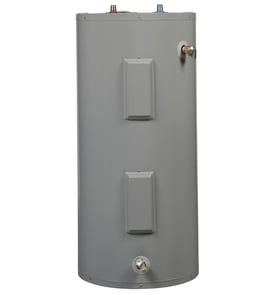



How much should a 40 gallon electric water heater cost?
A 40-gallon electric water heater typically costs about $400 to $1,000 for the tank only, and about $1,000 to $3,000 installed. For the Reliance 640DORS, the exact price depends on local labor, permit requirements, and whether you are also replacing related components such as thermostats or an anode rod.
What drives the price up or down
- Tank warranty length (longer warranties usually cost more)
- Electrical work (new breaker, wiring, disconnect, or correcting code issues)
- Plumbing changes (shutoff valve, piping updates, expansion tank, pan and drain line)
- Access and location (attic, tight closet, or long carry distance)
- Disposal and haul-away of the old heater
- Water quality and maintenance needs (hard water can increase service and part replacement)
Typical cost ranges (what to expect)
| Scenario | Unit cost (typical) | Installed cost (typical) |
|---|---|---|
| Basic 40-gal electric tank (retail) | $400 to $700 | Not included |
| Mid-range tank with longer warranty | $600 to $1,000 | Not included |
| Straightforward replacement install | Not applicable | $1,000 to $2,000 |
| Complex install (permits, upgrades, access) | Not applicable | $2,000 to $3,000 |
When it makes sense to repair instead of replace
If your Reliance 640DORS is heating inconsistently or not heating at all, a repair can be far less expensive than replacement. Common service parts include:
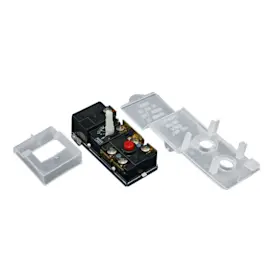
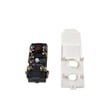
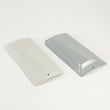
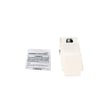
- Thermostat 100108683 (upper temperature control)
- Thermostat 100108421 (lower temperature control)
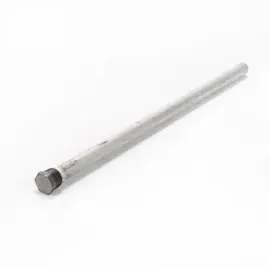
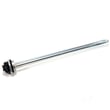
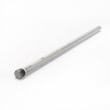
- Anode rod 100109624 (helps protect the tank from corrosion)
For step-by-step guidance, use our how to replace an electric water heater thermostat resource.
Why it matters
A low quote can turn expensive if the installer later adds electrical or plumbing upgrades. Comparing quotes using the same scope (permits, code updates, disposal, and materials) helps you avoid surprises and decide whether a part repair is the better value.
Last updated: January 2026
What is the life expectancy of an electric water heater?
An electric tank water heater like the Reliance 640DORS typically lasts 10 to 15 years. Lifespan depends most on water quality (hard water shortens life), maintenance (regular flushing), and whether the tank’s corrosion protection is kept up, such as replacing the anode rod 100109624 when needed.
What affects lifespan the most
- Hard water and sediment: buildup makes the heater work hotter and longer
- Anode rod condition: a depleted anode lets the tank corrode faster
- Operating temperature: higher settings increase stress and scale
- Leak history: recurring seepage often signals tank deterioration
- Maintenance habits: periodic draining and inspection slows damage
Typical lifespan ranges (what we see most often)
| Water heater type | Typical life expectancy | Notes |
|---|---|---|
| Electric tank (standard) | 10 to 15 years | Most common residential style |
| Electric tank (well maintained, good water) | 15+ years | Often tied to anode and flushing schedule |
| Tankless electric | 20+ years | No storage tank to rust; maintenance still matters |
Maintenance that helps you reach the high end of the range
We recommend these practical steps for most electric water heaters:
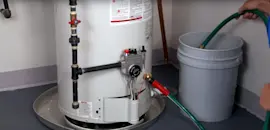
- Drain and flush the tank periodically; see how to drain the tank on an electric water heater video
- Inspect and replace the anode when it’s heavily worn; see how to replace an electric water heater anode rod
- Keep thermostats set to a safe, reasonable temperature
- Watch for early symptoms like inconsistent hot water or slow recovery
- If temperature control is erratic, inspect the thermostats such as the thermostat 100108683 (upper) and thermostat 100108421 (lower)
Why it matters
Once the tank itself starts rusting through, repairs usually stop being cost-effective. Preventive maintenance and timely replacement of wear items (like the anode rod and thermostats) can delay tank corrosion and help your Reliance 640DORS deliver reliable hot water longer.
Last updated: January 2026
What is the downside of an electric water heater?
For the Reliance 640DORS electric water heater, the biggest downsides are typically higher operating cost (electricity rates), slower recovery than many gas models, and no hot water during a power outage. Like most tank-style units, you can also run out of hot water during heavy use.
Common downsides (what you will notice at home)
- Higher monthly cost in many areas because electricity can cost more per BTU than gas.
- Slower recovery time, especially after long showers or multiple loads of laundry.
- No hot water in a blackout because the heating elements and controls need power.
- Limited hot water supply (tank models): once the tank is depleted, you wait for reheating.
- Electrical requirements: some installs need a dedicated circuit or panel capacity.
What to check if performance is the real concern
If the “downside” you are seeing is slow heating, not enough hot water, or temperature swings, the issue is often maintenance or a failing control part, not the technology itself.
- Confirm the breaker is not tripping and wiring connections are tight (power off first).
- Check for sediment buildup; draining and flushing can restore heating efficiency.
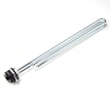
- If temperatures fluctuate, inspect thermostats and element condition.
- If hot water smells or looks rusty, the anode rod may be depleted.
Helpful DIY guidance: water heater common questions.
Parts that commonly affect heating and recovery
| Symptom | Likely area | Example compatible part for 640DORS |
|---|---|---|
| Water not hot enough | Temperature control | Thermostat 100108683 (upper) or thermostat 100108421 (lower) |
| Slow recovery | Heating circuit | Heating element and thermostat circuit |
| Odor or faster tank corrosion | Tank protection | Anode rod |
Why it matters
Understanding these tradeoffs helps you decide whether to optimize what you have (flush the tank, verify thermostat settings, replace worn parts) or plan for a different fuel type or higher-capacity solution.
Last updated: January 2026