 Owner’s manual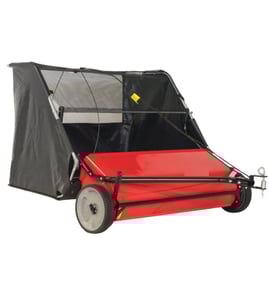


Can a lawn sweeper pick up pine needles?
Yes. A Craftsman lawn sweeper like model 48624266 can pick up pine needles, especially when the needles are dry and you set the brush height correctly so the bristles just skim the turf. Performance depends most on needle volume, lawn thickness, and ground moisture.
Best settings for pine needles
- Sweep when needles are dry; wet needles clump and can bridge at the chute.
- Set brush height so bristles lightly contact the grass; too low can scalp turf and overload the hopper.
- Use a steady, moderate towing speed; going too fast can scatter needles.
- Overlap passes and sweep in one direction, then cross-sweep heavy areas.
- Empty the hopper often to keep airflow and pickup strong.
When pickup is weak: what to check
Pine needles are light, so small issues in the brush and drive system show up quickly.
| Symptom | Most common cause | What to do |
|---|---|---|
| Needles left behind in tracks | Brush set too high | Lower brush height one notch and retest |
| Brush turns slowly or stops | Drive parts slipping or worn | Inspect the drive pin and wheel drive components |
| Needles collect but don’t move into hopper | Hopper overfilled or chute restricted | Empty hopper, clear packed debris |
| Poor pickup on thick grass | Brush not reaching thatch layer | Make multiple passes; consider mowing first |
Parts that commonly affect pine-needle pickup
If your 48624266 sweeper is leaving needles behind, these parts are the usual wear items:
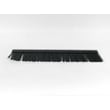
- Agri-fab lawn sweeper brush 46780 (worn or bent bristles reduce pickup)
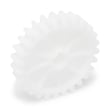
- Lawn sweeper drive pin 47046 (a damaged pin can stop consistent brush rotation)
- Agri-fab lawn tractor lawn sweeper wheel bearing 45088 (drag or wobble can reduce drive efficiency)
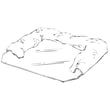
- Craftsman lawn sweeper hopper bag 41751 (tears or poor fit can spill debris)
Why it matters
Pine needles build up quickly and can smother grass and block sunlight. Sweeping regularly with the right brush height helps keep your lawn healthier and reduces thatch and moisture pockets.
For model-specific setup, adjustment points, and operating tips, follow the 48624266 owner's manual.
Last updated: February 2026
Do lawn sweepers work on grass clippings?
Yes. The Craftsman lawn sweeper model 48624266 is designed to pick up light yard debris, and it typically works well on dry grass clippings after mowing when the brush height is set correctly and you tow at a steady, moderate speed. For setup and adjustment details, use the 48624266 owner's manual.
Best results for grass clippings
Grass clippings are easiest to sweep when they are dry and not matted into the turf.
- Sweep soon after mowing, once clippings dry slightly
- Set brush height so the bristles just touch or lightly flick the grass tips
- Tow at a consistent pace; too fast can scatter clippings
- Overlap passes, especially on thick or damp clippings
- Empty the hopper bag before it gets overfilled (airflow drops and pickup suffers)
What it will pick up (and what it struggles with)
Here is what most tow-behind lawn sweepers like the Craftsman 48624266 handle well.
| Material | Typical performance | Tip |
|---|---|---|
| Dry grass clippings | Good | Sweep in straight passes with slight overlap |
| Wet clippings | Fair to poor | Let them dry; make a second pass |
| Leaves and pine needles | Very good | Raise brush slightly to avoid scalping |
| Small twigs | Good (light amounts) | Pick up larger sticks first |
| Heavy gravel or stones | Poor | Avoid; can damage brushes and housing |
Parts that affect pickup performance
If the sweeper leaves clippings behind, these parts are the most common wear or fit points to check.
- Lawn sweeper brush 46780: worn or bent bristles reduce sweeping action
- Lawn sweeper drive pin 47046: a missing/sheared pin can stop brush rotation
- Lawn tractor lawn sweeper wheel bearing 45088: drag or wobble can reduce drive to the brushes
- Hopper bag condition and fit: tears or poor fit can reduce capacity and airflow
Why it matters
Proper brush height and good brush rotation are what move clippings from the turf into the hopper. When the brush is worn, the drive slips, or the hopper is overfilled, pickup drops quickly and you end up making extra passes.
Last updated: February 2026
Do push lawn sweepers really work?
Yes, push lawn sweepers really work for routine pickup of dry leaves, grass clippings, and other light debris on small to medium, fairly smooth lawns. With a Craftsman lawn sweeper like model 48624266, performance depends most on brush height, ground speed, and keeping the hopper from overfilling; wet, heavy debris is the main limitation.
What a push lawn sweeper does well
- Picks up dry leaves, grass clippings, and light thatch after mowing
- Saves time versus raking for regular cleanups
- Works best on hard, level surfaces and short to medium turf
- Runs quietly and does not need fuel or a battery
- Helps reduce piles that can smother grass if left in place
Where push sweepers struggle (and how to improve results)
Push sweepers are mechanical; the brushes need consistent contact with the surface to lift debris.
- Wet leaves or damp clippings: wait for a drier window, or make multiple passes
- Uneven ground: slow down and adjust brush height so the bristles still “flick” debris up
- Heavy debris (acorns, sticks): pick up larger items first to prevent jams and missed pickup
- Overfilled hopper: empty more often so airflow and brush action are not blocked
Quick setup checklist for better pickup
Use the settings and adjustment steps in the 48624266 owner’s manual.
- Set brush height so bristles contact the surface without digging in
- Sweep at a steady walking pace (too fast reduces pickup)
- Overlap passes slightly, especially on turns
- Empty the hopper before it is packed full
- Inspect brushes and hardware for wear or looseness
Common “works vs doesn’t work” causes
| Symptom | Most common cause | What we do |
|---|---|---|
| Leaves left behind | Brush height too high | Lower brush setting slightly |
| Poor pickup on grass | Moving too fast | Slow down; make a second pass |
| Debris falls out | Hopper overfilled | Empty sooner; check bag fit |
| Streaking | Uneven terrain or missed overlap | Overlap passes; adjust height |
Why it matters
A lawn sweeper is most effective when you treat it like a maintenance tool, not a one-pass “deep clean” machine. Regular sweeping keeps debris from matting down turf and reduces the time you spend raking during peak leaf season.
Last updated: February 2026
What is a Craftsman lawn sweeper?
A Craftsman lawn sweeper like model 48624266 is a tow-behind yard tool that uses rotating brushes to pick up dry lawn debris (leaves, grass clippings, and light thatch) and collect it in a rear hopper bag so you can dump it where you want.
What it does (and what it does not)
A lawn sweeper is designed for routine yard cleanup, not for heavy-duty ground work.
- Picks up leaves, grass clippings, and small twigs from relatively even turf
- Helps reduce raking time by collecting debris in one pass
- Uses brush height adjustment to match turf conditions
- Does not vacuum; it mechanically sweeps debris into the hopper
- Does not replace a dethatcher or aerator for deep thatch removal
Key parts that make it work
These are common wear or service items on the Craftsman 48624266 lawn sweeper.
- Hopper bag: holds the collected debris for easy dumping
- Brush assembly: sweeps debris up and back into the hopper
- Drive components: transfer wheel rotation to the brush shaft
- Bearings and retainers: keep the brush and wheels turning smoothly
| Part | What it affects | Common symptom when worn |
|---|---|---|
| Craftsman lawn sweeper hopper bag 41751 | Collection capacity and containment | Debris falls out, bag tears, poor holding |
| Agri-fab lawn sweeper brush 46780 | Pickup performance | Leaves left behind, streaking, weak sweep |
| Lawn sweeper drive pin 47046 | Brush drive | Brushes stop turning or slip |
Why it matters
Using the correct brush height and keeping the hopper bag and brush parts in good shape helps the 48624266 sweep efficiently; you get better pickup with fewer passes and fewer stops to empty the load.
Best next step
For setup, brush height adjustment, towing speed guidance, and dumping instructions, follow the 48624266 owner's manual.
Last updated: February 2026