Owner’s manual



What does DC1 mean on my Samsung washer?
On the Samsung WA400PJHDWR washer, a DC1 code is not listed in the model’s documented information codes; on this model, the closest match is a DC-type imbalance condition (the washer can’t spin because the load is out of balance). Use the steps below and confirm the exact characters shown in the display using the WA400PJHDWR user manual.
What to do first (quick checks)
- Press Power to cancel the cycle.
- Redistribute the load evenly around the tub (avoid one heavy item by itself).
- Remove a few items if the tub is packed; overloading makes balancing harder.
- Run Rinse+Spin or Spin to test.
- Make sure the washer is level and not rocking.
If the code is really a lid/lock issue
This WA400PJHDWR is a top-load washer, so “door” wording can be confusing. If the display is actually showing a lid-related code (for example, a lid open or lid lock code), focus on the lid and lock area:
- Close the lid firmly and restart.
- Check for laundry caught under the lid.
- Unplug the washer for 1 minute, then restore power and retry.
- If the lid won’t lock or unlock consistently, the lid lock assembly or wiring may need service.
Code meaning comparison (helps avoid misreads)
| Display you see | Most likely meaning | Typical fix |
|---|---|---|
| DC / DC1 (often misread) | Unbalanced load, won’t spin | Redistribute load, level washer |
| dC / similar imbalance code | Unbalanced load | Reduce load size, run Spin |
| Lid open / lid lock type code | Lid not closed or not locking | Close lid, check latch area |
Why it matters
When the washer can’t balance the load, it will stop or limit spin to protect the suspension, tub, and drive system. Correcting the load and leveling the cabinet usually restores normal operation.
For more model-specific code definitions and operating steps, we recommend checking the troubleshooting and information code sections in the WA400PJHDWR user manual and our Samsung top load washer error codes guide.
Last updated: January 2026
What is the most common problem with Samsung washing machines?
Across Samsung washers, the most common issues are excessive vibration or shaking during spin and drain/spin problems that leave clothes too wet. On the Samsung WA400PJHDWR, the manual’s troubleshooting points first to load balance, proper leveling, and clear drain flow as the most frequent causes. See the WA400PJHDWR user manual for model-specific checks.
Most common issues we see (and what usually causes them)
- Washer shakes or “walks” during spin: unbalanced load, washer not level, or weak suspension support.
- Won’t drain or won’t spin: kinked drain hose, drain restriction, or lid not fully closed/locked.
- Clothes still wet at end: load too small/unbalanced, low spin selection, or suds issues.
- Fill problems (no water/slow fill): closed faucets, kinked inlet hoses, clogged inlet screens.
- Odor/mildew: excess detergent, leaving the lid closed, or skipping tub-clean cycles.
Quick checks for WA400PJHDWR before you assume a part is bad
- Rebalance the load: mix large and small items; avoid washing one heavy item alone.
- Confirm the washer is level: adjust the front leveling feet so the cabinet sits solidly.
- Check drain setup: standpipe height and drain hose routing matter; remove kinks.
- Use HE detergent only: too many suds can reduce spin performance and cause odor.
- Run the tub clean cycle: use the washer’s Pure Cycle periodically to reduce buildup.
Symptom-to-likely-cause guide
| Symptom | Most likely cause | First action |
|---|---|---|
| Shakes hard in spin | Unbalanced load or not level | Rebalance; level the feet |
| Stops and won’t spin | Lid not closed/locked | Close lid; restart |
| Won’t drain | Kink/restriction in drain hose | Straighten hose; check standpipe |
| Clothes too wet | Small/unbalanced load or low spin | Redistribute; select higher spin |
| Musty smell | Residue and moisture | Run Pure Cycle; leave lid open |
Why it matters
Vibration and drain/spin issues are the problems most likely to cause secondary damage (cabinet movement, leaks, or repeated out-of-balance shutdowns). Fixing load balance, leveling, and drain routing early helps the WA400PJHDWR run quieter and finish cycles properly.
For error-code help beyond the manual, use our Samsung top load washer error codes reference.
Last updated: January 2026
What is the average lifespan of WA400PJHDWR?
A Samsung top-load washer like model WA400PJHDWR typically lasts 10 to 14 years with normal household use and basic maintenance. Keeping the washer level, avoiding overloads, and addressing draining or vibration issues early helps you reach the high end of that range.
Typical lifespan and what affects it
Most washer life is driven by load size, installation, and wear parts (suspension, drain system, and drive components). For WA400PJHDWR, we recommend using the maintenance and care guidance in the WA400PJHDWR owner's manual.
- Load habits: frequent overloading shortens tub, clutch, and suspension life
- Leveling: an unlevel cabinet increases vibration and wear
- Water quality: sediment can stress fill valves and internal screens
- Drain performance: slow draining strains the pump and can leave odors
- Maintenance: periodic cleaning reduces residue and imbalance issues
Quick “what to expect” by component
These are common wear patterns for top-load washers; replacing a worn part often extends the washer’s usable life.
| Component area | Common symptom | Example part for this model |
|---|---|---|
| Suspension and balance | banging, walking, out-of-balance spins | Washer suspension rod and spring assembly DC97-16350C |
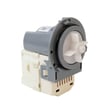
| Draining | won’t drain, long drain, water left in tub | Washer drain pump DC31-00054D |
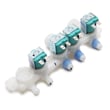
| Filling | slow fill, no fill, fill errors | Samsung washer water inlet valve DC97-15459H |
| Leveling | vibration, cabinet rocking | Washer leveling leg DC61-01722B |
Why it matters
Knowing the expected lifespan helps you decide whether to invest in a repair (for example, a drain pump or suspension kit) versus planning for replacement, especially if multiple symptoms show up at once.
Tips to help WA400PJHDWR reach 10 to 14 years
- Keep the washer level and stable on the floor
- Use the right cycle and water level for the load
- Avoid overloading bulky items (comforters, rugs)
- Clean the tub regularly and leave the lid open to dry
- Fix early signs of trouble (leaks, slow drain, repeated imbalance)
Last updated: March 2026