 Installation guide
 Owner’s manual
 Error Codes




Can a clogged drain cause an FTD error?
Yes. On the GE GDT580SSF4SS dishwasher, an FTD (fail to drain) error commonly happens when water cannot leave the tub due to a drain restriction such as a blocked disposer inlet, clogged air gap, kinked drain hose, or a plugged filter area.
What to check first (fast, no-parts steps)
- Cancel the cycle and let the dishwasher attempt to drain; listen for the drain pump running.
- Check the sink disposer connection and confirm the disposer drain plug was removed (a common no-drain cause after installation).
- Inspect the drain hose under the sink and behind the dishwasher for kinks or crushing.
- If you have an air gap, check for a clog at the air gap cap and hose.
- Make sure the drain setup follows the height and routing rules in the installation guide.
Drain setup rules that affect FTD
A drain that is routed incorrectly can drain slowly or not at all, even if the pump is working.
| Item to verify | What “good” looks like | Why it matters |
|---|---|---|
| Total drain hose length | 12 ft max | Too long reduces pump performance |
| Drain connection height | Not over 72 in above dishwasher bottom | Too high can prevent proper draining |
| Air gap vs high loop | Air gap required if local code requires it or if the waste tee/disposer connection is under 18 in above the floor | Prevents siphoning and drain problems |
When a part is more likely the issue
If the hose routing and disposer/air gap are clear but the unit still will not drain, a failed pump or an internal restriction becomes more likely.
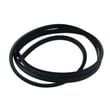
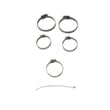
- If the drain pump runs but water barely moves, check for a blockage in the drain path and consider the dishwasher drain hose WD24X10062.
- If the drain pump does not run (and the dishwasher otherwise has power), troubleshooting the control and drain circuit is next; use the GE electronic dishwasher error codes reference to match symptoms to checks.
Why it matters
An FTD condition leaves dirty water in the tub, can stop the cycle mid-program, and often points to a simple drain routing or clog issue that is faster to fix than replacing major components.
Last updated: January 2026
What is the average lifespan of a GE dishwasher?
A GE dishwasher typically lasts 10 to 12 years. For the GE GDT580SSF4SS, consistent cleaning, correct loading, and avoiding installation issues that cause leaks or poor draining are the biggest factors that help it reach (or exceed) that average.
What affects lifespan the most
- Water quality and buildup (hard water scale can stress the heating and wash system)
- Drain performance (kinks, clogs, or poor routing can cause repeat problems)
- Door sealing and latching (leaks and slamming wear parts faster)
- Wash system condition (spray arms and pump performance drive cleaning results)
- Routine maintenance (periodic cleaning reduces odor, residue, and strain)
Maintenance habits that help you get the full 10 to 12 years
Use these as a simple monthly and quarterly checklist:
- Run a dishwasher cleaner cycle to reduce grease and mineral buildup.
- Inspect and rinse the spray arms; clear any blocked jets.
- Check the tub edge and door area for debris that can compromise sealing.
- Confirm the drain hose is routed correctly and not pinched.
- Use the right detergent amount for your water hardness.
Quick part-to-symptom guide (common wear items)
| Symptom | What it can shorten | Example part for GDT580SSF4SS |
|---|---|---|
| Poor cleaning, food left behind | Extra strain on pump and longer run times | Dishwasher spray arm, lower WD22X33499 |
| Dishes not drying well | More moisture, odor, and residue buildup over time | Dishwasher heating element WD05X30818 |
| Door won’t latch or starts then stops | Interrupted cycles and control stress | GE dishwasher door latch lock WD21X10490 |
Why it matters
A dishwasher that is draining correctly, sealing correctly, and spraying correctly runs fewer repeat cycles and avoids water damage and corrosion. That directly improves reliability and helps your GE GDT580SSF4SS reach the typical 10 to 12 year lifespan.
Helpful reference
- Follow the installation checks and drain-hose routing guidance in the installation guide.
Last updated: January 2026
How to fix failure to drain on GE dishwasher?
On the GE GDT580SSF4SS dishwasher, a failure to drain is most often caused by a blocked drain path (disposer plug, air gap, or hose routing) or a kinked/pinched drain hose. We start by confirming the drain hose routing and disposer connection, then move to the drain pump if the drain path is clear.
Quick checks that fix most no-drain problems
- Turn off power at the breaker before inspecting under the unit.
- Check the garbage disposer inlet: the drain plug must be removed or the dishwasher will not drain.
- Check the air gap (if installed) for a clog.
- Inspect the drain hose behind/under the dishwasher for kinks, twists, or pinching.
- Confirm the high drain loop is in place; it is designed for better wash performance and should not be removed.
Drain hose routing checklist (installation-related)
The installation steps for this model call out several drain-hose details that directly affect draining. Use the installation guide to verify your setup.
| What to verify | What “good” looks like | What it prevents |
|---|---|---|
| Disposer connection | Disposer drain plug removed | Complete no-drain condition |
| High drain loop | Loop remains attached on the side of the tub | Backflow and poor draining |
| Hose condition | Not kinked, twisted, or pinched | Slow drain, intermittent drain |
| Hose length | Total drain hose length 15 ft max | Weak draining, pump strain |
If it still will not drain
If the drain hose and disposer/air gap are clear but the dishwasher hums or drains weakly, the drain pump is a common next suspect.
- Listen during cancel/drain: a steady hum with little water movement points to a restriction at the pump or a failing pump.
- Check for debris in the sump area that could block the pump inlet.
- If the pump is not moving water, replace the dishwasher drain pump WD19X25187.
Why it matters
A restricted drain can leave dirty water in the tub, cause odors, and lead to repeated cycle interruptions. Correct hose routing and a clear disposer connection prevent many “no drain” service calls.
Last updated: January 2026
What is the most common problem with GE dishwashers?
The most common problems we see on GE dishwashers like model GDT580SSF4SS are draining issues (clogged filter or drain path), not starting (door not latching or control issue), and poor cleaning from blocked spray arms. Use the GDT580SSF4SS owner's manual to match symptoms to the right checks.
Most common symptoms and what usually causes them
- Dishwasher won’t drain: food debris in the sump area, a kinked drain hose, or a weak drain pump
- Dishwasher won’t start: door not fully latched, a failed latch, or an electronic control problem
- Not cleaning well: clogged spray arm holes, overloaded racks, or low water temperature
- Not drying: heater circuit issue, rinse aid problems, or cycle selection
- Leaks: door seal issues, loose hose connections, or overfilling
Quick checks you can do first (no parts guessing)
- Confirm the door closes smoothly and fully. GE installation guidance stresses checking alignment so the door operates smoothly and does not rub; misalignment can prevent a proper latch.
- Check the drain hose routing: make sure it is not pinched behind the dishwasher and that it has a proper high loop.
- Inspect and clean the lower spray arm: remove it and rinse out debris that blocks the jet holes.
- Run hot water at the sink before starting a cycle to improve wash performance.
Parts that commonly fix these problems on GDT580SSF4SS
| Symptom | Common part to inspect | What it affects |
|---|---|---|
| Won’t start or stops mid-cycle | GE dishwasher door latch lock WD21X10490 | Confirms the door is locked so the control will run |
| Poor cleaning on lower rack | Dishwasher spray arm, lower WD22X33499 | Water distribution to the bottom rack |
| Not drying or water not heating | Dishwasher heating element WD05X30818 | Heats water and supports drying performance |
| Won’t drain | Drain path and pump (inspect for blockage) | Removes water at the end of wash and rinse |
Why it matters
Drain and start problems often look like “the dishwasher is dead,” but they are frequently caused by a simple blockage, a pinched hose, or a door-latch issue. Fixing the root cause prevents repeat clogs, odor, and cycle failures.
Helpful troubleshooting reference
Use GE electronic dishwasher error codes if your control is flashing codes or beeping; error codes can quickly narrow the problem to draining, heating, or a door/latch condition.
Last updated: January 2026





