Owner’s manual
 Error Codes


How to hard reset a Kenmore Elite washer?
A “hard reset” on a Kenmore washer is a power reset that clears a stuck control state. For Kenmore model 11020802990, unplug the washer for 1 minute, then restore power and restart the cycle using the timer knob steps in the 11020802990 owner's manual.
- Turn the Cycle Selector (timer) knob to OFF.
- Unplug the washer from the wall outlet.
- Wait 60 seconds.
- Plug the washer back in.
- Select a cycle and pull the Cycle Selector knob out to start.
These checks fix the most common “looks dead” or “won’t spin” complaints after a reset:
- Confirm the outlet has power (try a lamp or phone charger).
- Make sure the lid is fully closed; a failed lid switch can stop agitation and spin.
- If the washer fills but will not drain, check for a drain restriction or a weak pump.
- If the motor runs but the basket will not move, the drive coupling can be worn.
| Symptom | Most likely area | Example part for this model |
|---|---|---|
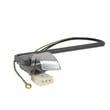
| No spin or agitation with lid closed | Lid safety circuit | Washer lid switch WP3949238 |
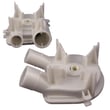
| Won’t drain or drains slowly | Drain system | Washer drain pump WP3363394 |
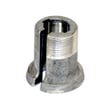
| Motor runs but no movement | Drive connection | Coupling 285753A |
A power reset clears a stalled timer or control condition without replacing parts. If the same symptom returns, the washer is usually reacting to a real stop condition (lid switch, drain problem, or drive issue), so targeted troubleshooting saves time and prevents repeat failures.
Last updated: February 2026
How many cubic feet is a Kenmore model 11020802990 washer?
The Kenmore washer model 11020802990 is a classic top-load, agitator-style washer; most Kenmore 110 direct-drive washers of this era are typically about 3.2 to 3.5 cu. ft. capacity. For the exact capacity rating tied to your specific configuration, check the specifications section in the 11020802990 owner's manual.
We recommend using the manual first, then the model/serial plate if you need to match specs.
- Look in the manual for a Specifications or Product features section.
- Check the model and serial number plate location described in the manual.
- Compare your washer’s basket style (porcelain basket, plastic tub) to the manual description.
- If you still need a practical estimate, measure the tub and compare to typical top-load volumes.
- Use capacity to choose proper load size, water level, and cycle settings.
These washers commonly fall into a narrow capacity band.
| Washer type (Kenmore 110 family) | Typical capacity | Best for |
|---|---|---|
| Standard top-load with agitator | 3.2 cu. ft. | Medium loads, everyday laundry |
| Large-capacity top-load with agitator | 3.5 cu. ft. | Bulkier loads, towels, jeans |
Capacity affects how full you can load the basket without reducing wash performance. Overloading can also contribute to poor agitation, off-balance spinning, and extra wear on drive components like the motor coupling and clutch.
If the washer is not moving clothes through the water well, it can feel “smaller” than it is.
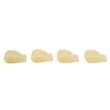
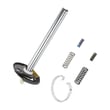
- Worn agitator dogs can stop the upper agitator from ratcheting properly: agitator dog 80040
- A slipping drive system can reduce agitation and spin strength
- A failing lid switch can interrupt spin on some cycles
- A weak drain pump can leave water behind and reduce effective tumbling
Last updated: February 2026
How to identify a Kenmore washer model?
Your Kenmore washer model number is printed on the Model and Serial Number Plate on the machine. For Kenmore model 11020802990, the plate is typically on the washer cabinet (commonly under the lid on top-load models); match that exact number to buy the correct parts and manuals like the 11020802990 owner's manual.
Check these common locations first (power off is recommended):
- Under the lid, on the rim of the washer opening or underside of the lid
- On the back panel near the power cord entry
- Along the cabinet edge near the control console
- Inside the cabinet opening where the lid closes (top edge of the front panel)
Kenmore washer model numbers often start with 110 and are usually 11 digits (sometimes shown with punctuation on the tag).
| What you see on the plate | What it means | What to do with it |
|---|---|---|
| Model number (example: 11020802990) | Identifies the exact washer design | Use it to match parts like a lid switch or drain pump |
| Serial number | Production code and date info | Useful for service history and warranty records |
- Copy the model number exactly as printed (include all digits)
- Use the model number, not the timer knob label or cycle names
- If the tag is worn, take a clear photo and zoom in to confirm digits
- When troubleshooting “won’t spin” or “won’t drain,” confirm the model before replacing parts such as the washer lid switch WP3949238 or washer drain pump WP3363394
Kenmore washers share similar styling across many years, but internal parts (agitator, coupling, gear case, clutch) can differ by model series. Using the exact model number ensures the replacement part fits and the repair steps in the manual match your washer.
Last updated: February 2026
What is the average lifespan of a Kenmore washer?
A Kenmore washer typically lasts 10 to 15 years. For Kenmore model 11020802990, reaching the high end of that range comes down to load size, proper detergent use, and routine care steps outlined in the 11020802990 owner's manual.
Most washers fail from wear in a few high-stress systems (drive, drain, and lid safety). These factors have the biggest impact:
- Overloading (stresses the drive system and suspension)
- Frequent heavy cycles (more heat, more torque, more vibration)
- Poor draining (pump strain, standing water, odors)
- Hard water and detergent buildup (corrosion, residue, slow performance)
- Unbalanced loads (extra wear on clutch, gear case, basket drive)
If your washer is nearing the end of its service life, the symptoms usually point to a specific repairable area.
| Symptom | Common area involved | Example part for this model |
|---|---|---|
| Won’t spin or agitate | Drive coupling, clutch, gear case | Coupling 285753A |
| Won’t drain | Drain pump, hose restriction | Washer drain pump WP3363394 |
| Stops mid-cycle or won’t run | Lid switch circuit | Washer lid switch WP3949238 |
| Agitator moves poorly or “slips” | Agitator dogs/cam | Agitator dog 80040 |
These are the highest-value habits for a Kenmore top-load washer like model 11020802990:
- Load items loosely; do not wrap items around the agitator
- Use the right amount of detergent; too much causes residue and odors
- Keep the lid open between loads to help the tub dry
- Check pockets and remove coins, screws, and small items that can damage the pump
- Level the washer to reduce vibration and suspension wear
A washer that is maintained and kept balanced runs quieter, drains faster, and puts less strain on the drive system. That reduces the chance of major repairs (like a gear case) and helps you get the full expected lifespan.
Last updated: February 2026
Does my Kenmore top load washer have a filter?
Yes. Kenmore washer model 11020802990 uses a self-cleaning lint filter that automatically traps lint during wash and deep rinse, then flushes it out through the drain. There is no removable, customer-cleanable filter on this design (see the 11020802990 owner's manual).
Instead of a serviceable pump filter, this washer filters lint in the wash water and sends it out with the drain water.
Common signs it is working normally:
- You do not see a filter access door or cap on the cabinet
- Lint does not build up in a screen you need to rinse
- Normal draining sound and normal drain time
On this style of Kenmore top load washer, slow draining is usually caused by a restriction in the drain path or a failing pump, not a clogged filter.
Check these items first:
- Make sure the drain hose is not kinked or crushed behind the washer
- Confirm the standpipe or laundry tub is not backing up
- Look for coins, socks, or debris in the pump inlet hoses (after unplugging)
- Verify the lid is closing and the lid switch is working
- Listen for the pump running during drain
| Symptom | Most likely area | Common part for this model |
|---|---|---|
| Hums but won’t drain | Drain pump jammed or failed | Washer drain pump WP3363394 |
| Won’t spin, acts “dead” with lid open | Lid switch not closing circuit | Washer lid switch WP3949238 |
| Agitates poorly, top of agitator slips | Agitator dogs worn | Agitator dog 80040 |
Knowing this washer has a self-cleaning lint filter helps you avoid unnecessary disassembly looking for a “hidden filter.” For performance issues, focusing on the drain hose, pump, and lid switch gets you to the real cause faster.
Last updated: February 2026
Is it worth repairing a Kenmore washing machine?
Yes; for Kenmore washer model 11020802990, repairing is worth it when the fix restores normal washing and spinning for significantly less than replacing the washer. Common, high-value repairs on this style of top-load washer are straightforward and often extend service life for years.
Use this checklist before spending money:
- Get a clear symptom: no spin, no drain, won’t start, loud during spin, poor agitation
- Start with the simplest failure points: lid switch, drain pump, motor coupling
- Compare total repair cost (parts + labor) to a new washer price
- Consider condition: rusted cabinet, leaking tub, or repeated failures usually lowers repair value
- Confirm basics: level washer, tight front leg nuts, water faucets on, proper power connection (all covered in the 11020802990 owner’s manual)
These parts commonly solve major symptoms at a reasonable cost:
- No start or stops mid-cycle: washer lid switch WP3949238
- Won’t drain or leaves water in tub: washer drain pump WP3363394
- Agitates/spins poorly, makes grinding or rattling noises: coupling 285753A
- Weak agitation (top portion not moving well): agitator dog 80040
| Symptom | Likely part | Typical repair value | Why |
|---|---|---|---|
| Won’t start/spin with lid closed | Lid switch | High | Safety interlock can stop the whole cycle |
| Won’t drain | Drain pump | High | Restores draining and spin completion |
| Motor runs but washer won’t move properly | Motor coupling | High | Common wear item that can mimic bigger failures |
| Poor agitation | Agitator dogs | Medium to high | Improves wash performance without major teardown |
These conditions usually push the decision toward replacement:
- Gear case or major tub leak (large labor, multiple parts, messy teardown)
- Severe vibration from structural wear (not just leveling or springs)
- Multiple major failures at once (for example, gear case plus basket/tub issues)
A targeted repair on a proven Kenmore direct-drive style washer often restores core functions (fill, agitate, drain, spin) without the cost and learning curve of a new machine. Starting with the most common failure parts prevents overpaying for unnecessary major assemblies.
Last updated: February 2026