Owner’s manual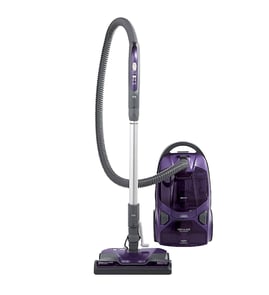


Who makes Kenmore canister vacuums now?
Kenmore canister vacuums sold today are made for the Kenmore brand under a licensing arrangement; the current floor-care manufacturer is Cleva North America. For your Kenmore canister vacuum model 11621614010, the best place to confirm brand and service details is the 11621614010 owner's manual.
Kenmore is a brand name used across multiple product types, and manufacturing can vary by product line and time period. For canister vacuums, the current production is handled by Cleva North America under license.
What typically stays consistent
- Kenmore branding and model-number format (like 11621614010)
- Parts diagrams and service procedures for your specific model
- Wear items such as belts, brush rolls, and filters (by model fit)
What can vary
- The actual factory and corporate manufacturer behind the product
- Part sourcing over time (revisions and substitutions)
- Support channels depending on the product generation
Use these quick checks on your vacuum and packaging:
- Look for the rating label on the canister body (often lists the manufacturer or importer)
- Check the owner’s manual cover pages and warranty section
- Match the full model number exactly: 11621614010
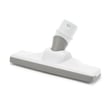
- Compare the power nozzle and brush roll style to the parts list
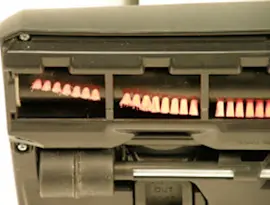
If your power nozzle brush is worn, noisy, or not grooming carpet well, replacing the brush roll is a common fix. For this model, we list the vacuum beater bar KC83QDKMZV06.
| Symptom | Common cause | Typical fix |
|---|---|---|
| Brush roll not spinning | Worn belt or jam | Clear debris; inspect belt |
| Poor carpet pickup | Worn brush roll | Replace beater bar |
| Loud rattling | Debris or worn bearings | Clean; replace brush roll if needed |
Knowing who manufactures the current Kenmore floor-care line helps when you are comparing build style, sourcing replacement parts, and following the correct service procedures for your exact Kenmore model.
Last updated: January 2026
What are the disadvantages of a canister vacuum?
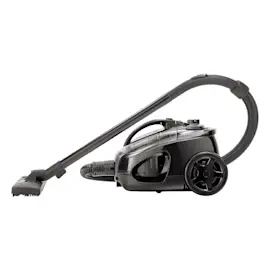
Canister vacuums like the Kenmore 11621614010 clean very well, but the tradeoff is convenience: the canister body, hose, and wand take more space, can be awkward to pull around furniture, and usually take longer to set up and put away than an upright. For model-specific use and care details, use the 11621614010 owner's manual.
- Bulkier storage: the canister plus hose and wand need more closet space.
- More to maneuver: you pull the canister behind you; it can bump baseboards, walls, and furniture.
- Less “grab-and-go”: quick cleanups often feel slower because you assemble the wand/hose and manage the cord.
- More bending: many canister tasks involve bending to move the canister, change floor settings, or access the bag/bin.
- Performance drops when airflow is restricted: clogs, full bags, or dirty filters can reduce suction faster than you expect.
- Power nozzle upkeep: brush roll and belt wear can cause poor carpet cleaning or a brush that stops spinning.
| Your home or routine | Why a canister can be a drawback | What usually works better |
|---|---|---|
| Small closets, limited storage | Multiple pieces are harder to store neatly | Compact upright or stick vacuum |
| Lots of thick carpet | Pulling the canister can feel heavy | Upright with strong brush roll |
| Mostly quick daily cleanups | Setup and cord management take longer | Lightweight cordless option |
| Tight furniture layouts | Canister can snag and bump corners | Upright with swivel head |
If your canister feels hard to push on carpet or is not cleaning well, check these first:
- Clear the hose and wand for clogs.
- Replace the bag (or empty the bin) before it is packed full.
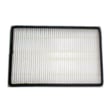
- Clean or replace filters on schedule.
- Inspect the brush roll for hair wrap and worn bristles.
- If the brush roll is worn, replace the vacuum beater bar KC83QDKMZV06.
Most canister complaints come down to handling and upkeep. If you plan for storage space and keep airflow and the brush roll in good shape, a canister vacuum delivers strong suction and great above-floor cleaning.
Last updated: January 2026
How long should a Kenmore vacuum last?
A Kenmore vacuum like model 11621614010 typically lasts 5 to 10 years with normal household use. Lifespan depends most on airflow (filters and clogs), brush roll condition, and how often the vacuum is run on heavy debris or thick carpet.
- Usage frequency: Daily whole-home cleaning wears belts, bearings, and motors faster than weekly touch-ups.
- Maintenance habits: Keeping filters clean and the bin or bag from overfilling protects suction and motor cooling.
- Floor type: Thick carpet and pet hair increase load on the power head and brush roll.
- Clogs and restricted airflow: Blocked hoses and dirty filters overheat motors and shorten life.
- Brush roll condition: A worn or jammed beater bar strains the drive system.
- Suction is consistently weak even after cleaning filters and clearing the hose
- The power head brush roll slows, stops, or makes a grinding noise
- Burning smell, frequent shutoffs, or unusually hot exhaust air
- Excessive vibration from the nozzle area
- Cracked hose, loose electrical connections, or repeated belt failures
| Task | How often | Why it matters |
|---|---|---|
| Check for clogs in wand and hose | Monthly | Restores airflow and prevents overheating |
| Clean hair and string off the beater bar | Monthly | Reduces drag and protects the belt and bearings |
| Replace worn brush roll if bristles are short | As needed | Improves carpet agitation and pickup |
| Inspect cord and plug | Monthly | Prevents intermittent power and safety issues |
If the power head is not cleaning well but the vacuum still runs strong, replacing the brush roll is a high-impact fix. Use the exact part listed for this model: vacuum beater bar KC83QDKMZV06.
Most “worn out” vacuums are actually suffering from restricted airflow or a failing brush roll. Keeping suction strong and the power head turning freely helps your Kenmore 11621614010 clean better and reach the full 5 to 10 year lifespan. For model-specific care steps and cleaning points, follow the 11621614010 owner’s manual.
Last updated: January 2026
What is the best canister vacuum cleaner to buy?
The best canister vacuum to buy depends on your floors, allergy needs, and how much maintenance you want. For most homes, a bagged canister with strong suction and sealed filtration (often HEPA) delivers the most consistent cleaning and dust control; use the 11621614010 owner's manual to compare features and care expectations for your Kenmore canister.
- Flooring mix: carpet needs a powered nozzle (brush roll); hard floors do well with a straight suction tool.
- Allergies and pets: choose bagged plus sealed filtration (often HEPA) to reduce dust blowback.
- Home size and layout: longer cord and hose help in larger spaces; lighter canisters help with stairs.
- Maintenance style: bagless saves bags but needs frequent bin and filter cleaning.
- Noise and handling: look for smooth swivel hose, stable wheels, and easy wand controls.
| Feature | Bagged canister | Bagless canister |
|---|---|---|
| Dust control | Best for allergies | More exposure when emptying |
| Suction consistency | Typically steadier as it fills | Can drop as filters clog |
| Ongoing cost | Bags | Filters (and time) |
| Mess level | Low | Medium to high |
- Mostly carpet: prioritize a powered nozzle and a brush roll that stays clear; a worn brush roll is a common reason cleaning drops.
- Mostly hard floors: prioritize strong suction control and a floor tool that will not scatter debris.
- Pets: prioritize sealed filtration and easy hair removal from the nozzle.
If your current Kenmore canister is leaving debris on carpet, replacing the brush roll is often the fastest performance upgrade; match your power head to the correct vacuum beater bar KC83QDKMZV06.
The “best” canister is the one that matches your flooring and filtration needs; the right nozzle and filtration setup improves pickup, reduces dust in the air, and lowers long-term maintenance.
Last updated: January 2026