Owner’s manual
 View engine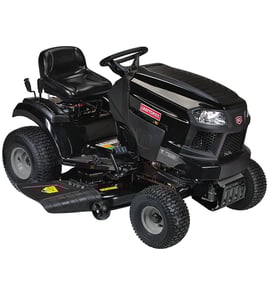






How do I know if my riding lawn mower carburetor is bad?
On the Craftsman riding mower model 917289101, carburetor trouble usually shows up as hard starting, needing the choke to keep it running, bogging down when you open the throttle, or power loss that does not improve after basic fuel and air checks. Use the 917289101 owner's manual troubleshooting chart to confirm.
Quick symptoms that point to a carburetor problem
- Engine only runs with the choke on, then dies when you open the choke
- Bogging or hesitation when you throttle up
- Surging (RPMs hunt up and down) at steady throttle
- Hard starting after sitting, even with fresh fuel
- Black smoke or strong fuel smell (often from flooding)
- Adjusting the carburetor helps briefly, then the problem returns
Rule out the common look-alikes first
Many “bad carburetor” complaints are caused by fuel, ignition, or airflow issues. Before replacing parts, we check these items in order:
- Fuel quality: drain stale fuel; refill with fresh gasoline
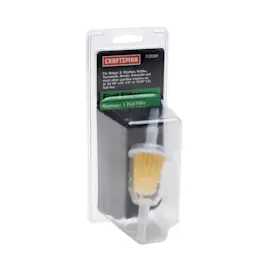
- Fuel filter: replace if restricted (a clogged filter can mimic carb starvation)
- Air filter: clean or replace if dirty
- Spark plug: replace if fouled; make sure the plug wire is tight
- Water in fuel: drain the tank and carburetor bowl, then refill with fresh fuel
- Wiring and safety interlocks: inspect for loose or damaged wiring
Simple carburetor checks you can do
- Cold start test: if it starts only on choke and dies off choke, the carb is likely not metering fuel correctly.
- Throttle response test: with the engine warm, snap the throttle toward FAST; bogging often indicates a lean condition from varnish or a restriction.
- Flooding check: if the plug is wet with fuel after cranking, the float/needle may be sticking.
What the manual points to (symptom-to-cause)
| Symptom | Common causes listed for this mower | What we do next |
|---|---|---|
| Hard to start | Dirty air filter, dirty fuel filter, stale/dirty fuel, water in fuel, carburetor out of adjustment | Service filters and fuel first; then adjust carburetor |
| Loss of power | Dirty air filter, dirty fuel filter, stale/dirty fuel, water in fuel, carburetor out of adjustment | Verify airflow and fuel delivery; then carb adjustment |
| Won’t start or clicks | Battery/terminals, wiring, solenoid/starter | Test electrical system before blaming carb |
Why it matters
A carburetor is the fuel-metering “heart” of the engine. If you replace the carburetor before fixing stale fuel, a clogged filter, or a dirty air filter, the new carb can develop the same bogging and choke-only symptoms quickly.
Last updated: February 2026
How much does it cost to replace a riding lawn mower engine?
Replacing the engine on a Craftsman riding tractor like model 917289101 typically costs $900 to $3,000 installed. The total comes from the engine itself (the biggest expense) plus labor, fluids, and any “while you’re in there” parts found during teardown.
What you pay for (and why prices vary)
- Replacement engine: horsepower, crankshaft size, charging system, and muffler/exhaust layout drive price
- Labor: removing the hood, wiring, fuel line, throttle/choke cables, and aligning pulleys and belts
- Extra parts: fuel filter, spark plug, battery cables, belts, and hardware often get replaced during the swap
- Shop add-ons: pickup and delivery, diagnostics, and disposal fees
- Condition of the tractor: rusted fasteners, damaged wiring, or fuel contamination increases time
Typical installed cost ranges
| Cost item | Typical range | What it includes |
|---|---|---|
| Engine (part) | $600 to $2,200 | Long block or complete engine, depending on configuration |
| Labor | $300 to $800 | Commonly 3 to 6 hours at typical shop rates |
| Related parts and supplies | $0 to $300 | Filters, plug, fuel line, clamps, belts, oil |
| Estimated total | $900 to $3,000 | Most jobs land in this range for riding mowers |
Before you replace the engine, confirm it is actually bad
The troubleshooting chart in the manual lists several issues that can look like a failed engine but cost far less to fix:
- Weak or dead battery
- Corroded battery terminals
- Loose or damaged wiring
- Faulty starter solenoid or starter
- Stale fuel or a dirty fuel filter
For safety steps and the troubleshooting chart, use the 917289101 owner’s manual.
A common related part during “clicks but won’t start” repairs
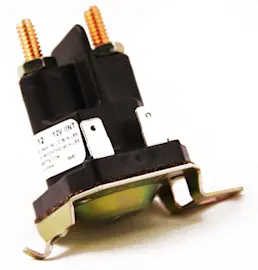
If the engine clicks but will not crank, a frequent fix is replacing the starter solenoid; this model’s parts list includes the lawn tractor starter solenoid 582042802.
Why it matters
An engine swap is one of the most expensive repairs on a riding mower. Verifying the battery, wiring, and starting circuit first prevents paying for an engine when the real problem is electrical.
Last updated: February 2026
How to clean a Craftsman riding lawn mower carburetor without removing it?
On Craftsman model 917289101, we clean the carburetor in place by doing a safe shutdown, clearing debris around the intake, and correcting fuel quality issues (stale fuel, water in fuel, restricted fuel flow). This restores normal running without removing the carburetor.
Safety first (before any cleaning)
Use the shutdown steps in the 917289101 owner's manual before working near the engine.
- Set parking brake; motion control in neutral
- Disengage attachment clutch (blades off)
- Turn key to STOP; remove key
- Wait for all moving parts to stop
- Disconnect spark plug wire and secure it away from the plug
In-place carb cleaning steps (no removal)
These steps help with light dirt and fuel-related rough running.
- Blow off grass and debris using compressed air or a leaf blower (especially around the engine and intake)
- Check the air filter; clean or replace if dirty (a dirty filter mimics carb problems)
- Drain stale or dirty gasoline; refill with fresh fuel
- If you suspect water in fuel, empty the fuel tank and carburetor; refill with fresh gasoline
- If fuel flow seems weak, replace the fuel filter and inspect fuel lines for kinks
Important warning about cleaners
Do not put engine or carburetor cleaner products into the fuel tank; permanent damage can occur. For storage, use fuel stabilizer mixed as directed and run the engine about 10 minutes so treated fuel reaches the carburetor.
Symptom guide
| Symptom | Common cause | Best next step |
|---|---|---|
| Runs better on choke | Lean fuel condition | Replace fuel filter, check air filter, inspect fuel lines |
| Loss of power | Dirty air filter or stale fuel | Service air filter, drain and refill fuel |
| Water-in-fuel behavior | Contaminated fuel | Drain tank and carburetor; refill with fresh gas |
Why it matters
Keeping debris out of the engine area and keeping fuel fresh prevents hard starting, surging, and repeat clogging; water in the engine or fuel system shortens tractor life.
Last updated: February 2026
How to find Craftsman model number?
On a Craftsman riding lawn tractor like model 917289101, the model number is typically printed on a product ID label under the seat or on the frame near the rear wheels. Use that exact number when ordering parts or looking up specifications in the 917289101 owner's manual.
Where to look on a riding tractor
Check these common label locations first:
- Under the seat pan (lift the seat and look on the metal surface below)
- On the frame rail near the rear tire
- Near the engine compartment on the frame (side rail)
- Under the hood area on the chassis (less common)
What the model number looks like (and what to record)
For Craftsman tractors, the model number is usually a 9-digit number.
| What to capture | Example | Why we need it |
|---|---|---|
| Model number | 917289101 | Matches the correct parts diagrams and lists |
| Product ID label info | Serial/date code (varies) | Helps confirm production version when parts changed |
Tips to make sure you read it correctly
- Wipe dirt and grass off the label; use a flashlight for glare
- Write it down exactly as shown (all digits, no spaces)
- If the label is damaged, look for a second label on the frame
Why it matters
Craftsman tractors can share similar names (LT series, 42-inch deck, automatic transmission), but parts like blades, belts, and electrical components can vary by model. Using 917289101 helps us match the right diagrams and avoid ordering the wrong part.
Last updated: February 2026
Is it better to rebuild or replace a carburetor?
For a Craftsman 917289101 front-engine lawn tractor, it’s better to rebuild the carburetor when the problem is dirty fuel, varnish, or minor wear; it’s better to replace it when corrosion is severe, internal passages stay clogged after cleaning, or the throttle/choke shafts are loose and leaking air.
Quick decision guide
- Rebuild if the engine ran well before storage and now has hard starting, surging, or stalling from stale fuel.
- Rebuild if you can restore fuel flow by cleaning and installing fresh gaskets and a needle/seat.
- Replace if the carb body is pitted, cracked, or heavily corroded.
- Replace if repeated cleaning still leaves it running lean, hunting, or unable to idle.
- Replace if linkages are worn and you cannot hold a steady adjustment.
What to check first (often not the carb)
The 917289101 manual troubleshooting points to several common causes that mimic carb trouble. Check these before you decide:
- Replace a dirty fuel filter; a clogged filter restricts fuel flow to the carburetor.
- Drain stale fuel and refill with fresh gasoline.
- Inspect/replace the air filter.
- Replace the spark plug (typically at the start of each mowing season or every 100 hours).
- Look for loose or damaged wiring and weak battery symptoms.
Use the maintenance intervals and troubleshooting chart in the 917289101 owner’s manual.
Rebuild vs replace: side-by-side
| Option | Best when | Pros | Cons |
|---|---|---|---|
| Rebuild | Dirty/varnished carb, minor leaks | Lower cost, keeps original carb | Requires careful cleaning and setup |
| Replace | Corrosion, persistent clogging, worn shafts | Faster, more predictable results | Higher cost, may still need adjustment |
Why it matters
A restricted fuel filter or stale fuel can starve the carburetor and cause hard starting or surging; fixing the fuel supply first prevents unnecessary carb work and helps the engine run reliably under load.
Last updated: February 2026
Is it worth replacing a lawn mower engine?
Yes, replacing the engine on your Craftsman 917289101 front-engine lawn tractor is worth it when the deck and drivetrain are in good shape and the total swap cost stays well below the price of a comparable new rider. If the deck is failing or multiple major systems are worn out, replacement is the better value.
Quick decision checklist
- Deck is solid (no rust-through, cracks, or bent structure)
- Tractor drives normally (no chronic transmission or steering problems)
- Mower system spins freely (no seized mandrels, no severe vibration)
- Starting issue is isolated (battery, wiring, solenoid, starter)
- Total cost (engine, hardware, fluids, time) is under about 50% of a similar new tractor
What to inspect before buying an engine
The troubleshooting chart in the 917289101 owner’s manual highlights common non-engine causes of “clicks but will not start,” including a weak battery, corroded terminals, loose wiring, or a faulty solenoid or starter. Fixing those first often restores operation for far less than an engine swap.
| Symptom | Common cause | Typical next step |
|---|---|---|
| Clicks but won’t crank | Battery, terminals, wiring, solenoid/starter | Test battery, clean terminals, inspect wiring, replace failed part |
| Loss of power while mowing | Grass buildup, dirty air filter, low oil | Clean deck underside, service filter, check oil |
| Excessive vibration | Blade or mandrel issue | Inspect blades and mandrels before running |
Parts that often get replaced along with (or instead of) an engine
- Lawn tractor starter solenoid 582042802 for click-no-start complaints
- Lawn tractor drive belt 532125907 if ground drive slips
- Lawn tractor mandrel housing 587819701 if a mandrel is noisy, wobbly, or seized
Why it matters
A new engine only pays off if the tractor remains safe and able to cut properly; keeping the deck clear of debris and avoiding adjustments with the engine running protects both performance and your investment.
Last updated: February 2026
What engine does Craftsman riding mower use?
The Craftsman riding mower model 917289101 uses a 20.0 HP (as rated by the engine manufacturer) low-emission gasoline engine; this model is paired with a 42-inch mower deck and an automatic transmission as shown in the 917289101 owner's manual.
How to confirm the exact engine on your tractor
Even within the same tractor family, the engine brand and model can vary by production run. We recommend confirming using the tractor and engine ID labels.
- Check the engine shroud or valve cover for the engine brand (often Briggs & Stratton, Kohler, or similar)
- Find the engine model/type/code stamped or printed on the engine label
- Match the tractor model and spec details in the 917289101 owner's manual
- If ordering parts, use the engine model/type/code, not just the tractor model number
- Record the deck size (42-inch) and transmission type (automatic) for accurate part matching
What we know for model 917289101 (from the manual)
| Item | What you can expect on 917289101 |
|---|---|
| Horsepower rating | 20.0 HP (engine-manufacturer rating) |
| Deck size | 42-inch mower deck |
| Starting | Electric start |
| Drive | Automatic transmission |
Why it matters
The engine brand and model determine the correct tune-up and fuel system parts (spark plug, air filter, fuel filter, starter solenoid). Using the engine ID prevents ordering the wrong parts, even when the tractor model number matches.
Last updated: February 2026
What year did they make the Craftsman lt2000?
Craftsman LT2000 is a series name used across multiple production years, not one single year. For your specific Craftsman model 917289101, the correct way to identify the build year is to use the tractor’s serial or product number from the ID label, then match it using the information in the 917289101 owner's manual.
How to find the build year for model 917289101
The model number (917289101) identifies the parts diagrams; the serial or product number identifies the production run and build date.
- Park on a level surface, set the parking brake, and remove the key
- Let the engine and muffler cool completely
- Lift the seat and look for the ID label under the seat pan
- If it is not under the seat, check the rear frame area near the hitch plate
- Write down the serial or product number exactly as printed
What “LT2000” means
LT2000 is a marketing and platform label that can include different engines, deck sizes, and transmissions over time. That is why two LT2000 tractors can look similar but use different belts, blades, wiring, or deck hardware.
Quick reference
| Identifier | What it tells you | Best use |
|---|---|---|
| LT2000 | Series name | General comparisons only |
| 917289101 | Exact model | Correct parts lookup |
| Serial or product number | Production run and build date | Determining year and revisions |
Why it matters for parts and repairs
The production run affects fit and routing details that change over time, especially on the mower deck and drive system.
Common items that vary by production run include:
- Ground drive belt length and idler setup
- Deck belt routing and guards
- Blade and mandrel (spindle) hardware
- Electrical connectors and safety switch styles
If you are rebuilding the 42-inch deck spindle area, the lawn tractor mandrel housing 587819701 is a common mandrel-related part used on this model’s parts list.
Last updated: February 2026
Where can I find my lawn mower engine model number?
On the Craftsman 917289101 tractor, the engine model number is typically stamped into the engine metal (often on the top of the cylinder area). Wipe off dirt and oil first so you can read the characters clearly; then record the full model and type information for parts lookup. See the 917289101 owner's manual for your tractor’s identification and operating details.
Where to look on the engine
Check these common locations used on many V-twin riding mower engines:
- Top of the cylinder head area (right or left side)
- Blower housing or engine shroud near the recoil cover area (if equipped)
- Valve cover area or near the spark plug
- A label plate on the engine (sometimes on the side of the shroud)
- Stamped pad near the muffler or above the starter
Quick steps to find it (and avoid misreads)
- Turn the key to STOP, remove the key, and let the engine cool.
- Clean the area with a rag; use a flashlight to see stamped characters.
- Copy the full string exactly (letters and numbers); take a photo for backup.
- If you only find a partial number, keep looking for a second line that lists the full model or type.
Tractor model number vs. engine model number
These are different numbers and they serve different purposes.
| Number type | What it identifies | When you need it |
|---|---|---|
| Tractor model number (917289101) | The Craftsman LT2000 tractor and its chassis/deck configuration | Belts, blades, mandrels, steering, electrical harnesses |
| Engine model/type code | The engine itself | Tune-up parts, carburetor parts, starter/charging parts |
Why it matters
Using the correct engine model/type prevents ordering the wrong ignition parts, fuel system parts, or starting components. For example, a no-start symptom can point to wiring or a solenoid issue, but the correct engine identification keeps the repair and parts match accurate.
Last updated: February 2026