Owner’s manual
 Error Codes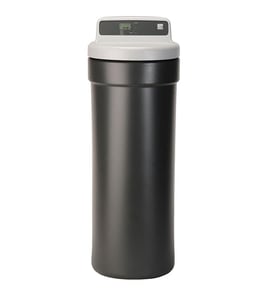





What is the average lifespan of a water softener?
Most water softeners last 10 to 15 years. For the Kenmore 625348591 deluxe demand water softener, regular salt management, periodic cleaning, and fixing small leaks early can keep performance strong and help you reach the high end of that range (or longer); see the 625348591 owner's manual.
What affects lifespan the most
A softener usually fails early because of salt issues, water conditions, or wear in the valve and seals.
- Water hardness and iron: harder water and iron increase regeneration demand and wear
- Salt choice and storage: nugget or pellet salt helps reduce bridging and buildup
- Humidity: humid areas increase salt bridging risk; refilling more often helps
- Maintenance habits: cleaning and periodic disinfecting reduce fouling
- Small leaks: catching leaks early prevents corrosion and damage to internal parts
Maintenance habits that extend life
The manual for this model calls out salt type and notes periodic disinfecting may be needed on some water supplies.
- Keep the salt tank filled with nugget or pellet water softener salt
- In humid areas, keep the salt level about half-full and refill more often
- Watch for salt bridging (a hard crust that prevents brine from forming)
- Use the unit’s recharge/cleaning features as directed
- Periodically disinfect the brine tank when your water supply conditions call for it
Common “wear parts” vs. “replace the softener”
Many lifespan problems are repairable because they come from a few serviceable components.
| Symptom | Likely area | Typical fix |
|---|---|---|
| Hard water returns between regenerations | Nozzle/venturi, seals, valve wear | Clean or replace venturi parts; reseal valve |
| Water leaking at valve area | Seals and O-rings | Replace seals using a seal kit |
| Unit not advancing through cycles | Position sensing/switching | Inspect switch and wiring; replace switch if needed |
If you’re seeing leaks or poor softening, a common first repair on this platform is replacing worn seals with the Kenmore water softener seal kit 7129716.
Why it matters
A water softener that’s nearing end-of-life can waste salt and water, regenerate too often, and let hardness through. Keeping salt type correct and addressing valve leaks early protects the resin bed and control valve, which are the most expensive areas to replace.
Last updated: January 2026
What water softeners do plumbers recommend?
Plumbers typically recommend water softeners that use proven control valves, have readily available replacement parts, and are sized correctly for your home’s hardness and water use. If you already own the Kenmore model 625348591, the best “recommended” choice is keeping it properly set up, salted, and maintained per the 625348591 owner's manual.
What plumbers usually look for (and what to match to your home)
- Correct capacity for your household size and grains-per-gallon hardness
- Reliable metered (demand) regeneration to reduce salt and water waste
- Easy-to-service valve design with common wear parts available
- Clear programming and diagnostics (timer/faceplate features)
- Support for your water conditions (for example, some clear-water iron capability)
Quick comparison: what “recommended” usually means
| What matters | Why plumbers care | What you can do now |
|---|---|---|
| Proper sizing | Prevents hard water breakthrough and frequent regenerations | Confirm hardness setting and household water use in the 625348591 owner's manual |
| Valve condition | Worn seals and discs cause leaks, poor softening, or constant running | Inspect and service common wear items like the Kenmore water softener seal kit 7129716 |
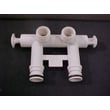
| Brine system performance | No brine draw means no regeneration effectiveness | Clean the nozzle/venturi area and consider the water softener nozzle and venturi with gasket 7187772 if damaged |
| Salt quality and level | Bad salt causes bridging and clogs | Use nugget or pellet water softener salt; avoid rock salt |
If you are choosing a new softener (general guidance)
Plumbers most often steer homeowners toward metered-demand units from established brands with strong parts availability and service networks. Match the unit to your hardness level, plumbing size, and any iron concerns before buying.
Why it matters
A “recommended” softener is one that consistently regenerates correctly. Even a high-end unit will underperform if the hardness setting is wrong, the brine system is restricted, or valve seals are worn.
Last updated: January 2026
Is it worth repairing a water softener?
Yes, repairing a Kenmore water softener like model 625348591 is worth it when the problem is limited to common service parts (seals, venturi, turbine, rotor/disc) and the cabinet and tanks are in good shape. If the resin tank or salt storage drum is leaking, replacement is usually the better value.
Quick decision checklist
- Repair when the unit still regenerates but performance is poor (hard water, high salt use, low flow)
- Repair when you see leaks at the valve area (often seals or valve components)
- Repair when the softener is stuck in a cycle (often rotor/disc or position sensing)
- Replace when the resin tank or salt storage drum is cracked or leaking
- Replace when repair cost approaches about half the price of a comparable new softener
- Replace when you have repeated failures in multiple areas within a short time
Common repairs that are usually worth it on this model
These are typical, high-impact fixes for the 625348591 valve and metering system:
- Kenmore water softener seal kit 7129716: addresses internal valve sealing and many small leaks
- Water softener nozzle and venturi with gasket 7187772: helps restore proper brine draw during regeneration
- Whirlpool water softener turbine 7117858: helps restore accurate water usage sensing (metering)
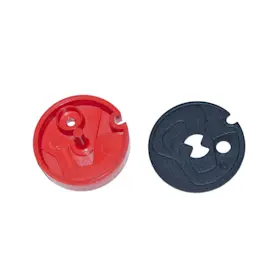
- Kenmore elite water softener rotor and disc 7199232: helps resolve cycling issues and valve timing problems
When replacement makes more sense
A leak in the main tanks is the tipping point because it is a major component and can lead to water damage.
| Situation | Typical best choice | Why |
|---|---|---|
| Valve leaks or poor softening | Repair | Parts are serviceable and targeted |
| Stuck in regeneration/cycle | Repair | Often rotor/disc or switch related |
| Resin tank or salt drum leaking | Replace | Major component failure and higher cost |
Why it matters
A properly working demand water softener reduces hardness minerals and can also remove “clear water” iron within its rated limits, which protects plumbing and improves soap efficiency. Following the maintenance and troubleshooting steps in the 625348591 owner’s manual helps you confirm whether you have a simple service-part issue before you invest in a full replacement.
Last updated: January 2026