 Installation guide
 Owner’s manual
 Error Codes
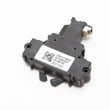




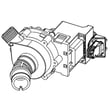
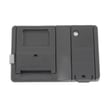
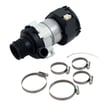

What is the most common problem with a GE dishwasher?
On a GE dishwasher like model GDT580SSF8SS, the most common problems we see are draining issues, poor cleaning from low spray pressure, and “won’t start” symptoms caused by a door not latching. Many of these are fixed with cleaning, checking the drain path, and confirming the door closes and latches correctly per the installation guide.
Most common issues (and what they usually point to)
- Not draining or standing water: clogged drain path, kinked hose, or a failing drain pump
- Not cleaning well: clogged spray arm holes, low circulation, or a diverter issue
- Won’t start or stops mid-cycle: door not fully latched, latch/strike alignment, or control problem
- Leaks at the door: tub gasket wear or door not closing squarely
- Not drying: heater circuit issue, rinse aid problems, or cycle selection
Quick checks we recommend first
- Confirm the dishwasher is square and level; installation instructions call out checking alignment, leg contact with the floor, and that the door operates smoothly.
- Inspect the drain hose routing; the guide notes the drain hose should not be pinched between cabinets.
- Check door closing and latch engagement; a misaligned door can cause start and leak complaints.
- Clean spray arms; remove debris from the jets and verify they spin freely.
Parts that commonly solve these symptoms on GDT580SSF8SS
| Symptom | Common suspect part | What it does |
|---|---|---|
| Won’t start, beeps, or stops | GE dishwasher door latch lock WD21X10490 | Confirms the door is closed so the control will run |
| Poor cleaning, debris left behind | Dishwasher spray arm, lower WD22X33499 | Delivers wash water pressure to the lower rack |
| Not drying, water stays cool | Dishwasher heating element WD05X30818 | Heats water and supports drying performance |
Error codes can speed up diagnosis
If the control is flashing a code or beeping pattern, use our GE electronic dishwasher error codes reference to match the code to the most likely cause (drain, fill, heating, or control).
Why it matters
Drain, wash, and latch problems often look similar (for example, a unit that “won’t run” can be a door-latch issue, not a motor). Starting with alignment, hose routing, and basic cleaning prevents unnecessary part replacement and helps restore normal cycle performance.
Last updated: February 2026
Does a GE dishwasher have a filter that needs to be cleaned?
Yes. Most GE dishwashers, including model GDT580SSF8SS, use a filter area in the bottom of the tub that can collect food soil; cleaning it regularly helps prevent gritty residue, odors, poor draining, and weak wash performance. Use the steps in the GDT580SSF8SS owner's manual for the exact filter style and removal method.
How to check and clean the filter area
- Turn the dishwasher off and let it cool.
- Pull out the lower rack.
- Look at the bottom of the tub under and around the lower spray arm for a filter screen or twist-lock cylinder.
- Remove the filter (if removable), then rinse under hot water; use a soft brush for stuck-on debris.
- Wipe the sump area clean and reinstall the filter so it locks fully.
Tips that prevent repeat clogs
- Scrape large food scraps off dishes before loading.
- Avoid overloading; keep the spray arms from being blocked.
- Run hot water at the sink for 30 to 60 seconds before starting a cycle.
- Use the right detergent amount; too much can leave residue.
- Clean the lower spray arm holes if you see buildup (the dishwasher spray arm, lower WD22X33499 is the correct replacement if the arm is cracked or won’t spin freely).
What you’ll notice when the filter needs attention
- Dishes feel gritty after the cycle
- Standing water or slow draining
- Cloudy glasses or food bits left behind
- Musty odor inside the tub
Quick troubleshooting: filter vs. other common causes
| Symptom | More likely filter/soil buildup | More likely another issue |
|---|---|---|
| Poor cleaning | Yes | Circulation problem (pump/diverter), blocked spray arm |
| Not draining | Sometimes | Drain hose kink, drain pump issue |
| Bad odor | Yes | Drain backflow, dirty door gasket |
Why it matters
A restricted filter area reduces water flow through the wash system, so the circulation pump cannot deliver strong spray pressure. Keeping the filter area clean is one of the fastest ways to restore normal cleaning and draining.
Last updated: February 2026
What is the average life expectancy of a GE dishwasher?
A GE dishwasher like model GDT580SSF8SS typically lasts 10 to 12 years with normal household use. Consistent cleaning, correct loading, and fixing small issues early (drain, heating, or wash performance problems) are the biggest factors that help you reach the high end of that range.
What affects lifespan the most
- Water quality and detergent: Hard water and excess detergent can leave buildup that strains the pump and spray arms.
- Cleaning and maintenance: Regularly cleaning the tub, seals, and wash system helps prevent leaks and poor cleaning.
- Installation quality: A dishwasher that is square, level, and not pinching hoses runs more reliably over time (see the installation guide).
- Heat and drying performance: Weak heating can lead to wet dishes and longer run times, increasing wear.
- Drain performance: Slow draining can cause standing water, odors, and extra load on the drain pump.
Quick maintenance checklist (monthly or as needed)
- Remove debris from the bottom of the tub and around the wash system.
- Run a cleaning cycle using a dishwasher cleaner.
- Confirm the unit is level and the door closes smoothly.
- Check that the drain hose is not kinked or pinched.
- Watch for early symptoms: unusual noise, poor cleaning, or water left in the tub.
Common “wear” parts that can shorten dishwasher life
If performance drops, these are frequent culprits on many GE dishwashers:
| Symptom | Common cause | Example part for GDT580SSF8SS |
|---|---|---|
| Dishes not clean | Clogged or damaged spray arm | Dishwasher spray arm, lower WD22X33499 |
| Not drying well | Heating circuit issue | Dishwasher heating element WD05X30818 |
| Won’t start or stops mid-cycle | Door not latching | GE dishwasher door latch lock WD21X10490 |
Why it matters
Knowing the typical 10 to 12 year lifespan helps you decide whether to repair or replace. If your GDT580SSF8SS is under about 8 years old, repairs like a spray arm, latch, or heating element often make sense; beyond 10 to 12 years, multiple failures can add up.
Last updated: February 2026
Is GE profile considered high-end?
Yes. GE Profile is widely considered GE’s higher-end mainstream line because it typically adds more advanced features, upgraded finishes, and more premium performance options than standard GE models; it still sits below GE’s true luxury lines.
How this relates to your GE dishwasher model GDT580SSF8SS
GE Profile is a product line, not a required “grade” for service or parts. For your GE dishwasher model GDT580SSF8SS, what matters most is matching the exact model number when you order parts, follow cycle guidance, or troubleshoot.
- Use the model number to match the correct control, pump, and door hardware
- Follow GE’s installation requirements so the unit can be removed for future service
- Use the correct troubleshooting steps for GE electronic dishwashers
For model-specific operation and feature details, use the GDT580SSF8SS owner’s manual.
What “high-end” usually means in GE’s lineup
“High-end” can mean different things depending on what you value. Here’s a practical way to compare:
| What you care about | Standard GE | GE Profile |
|---|---|---|
| Features and cycles | Core wash options | More feature-forward options are common |
| Design and finishes | Basic to mid-tier | More premium styling is common |
| Tech and controls | Varies by model | More advanced controls are common |
| Price tier | Entry to mid | Mid to upper-mainstream |
Why it matters when you’re repairing or maintaining a dishwasher
A “high-end” label does not change the basics of dishwasher reliability. Most performance complaints still come down to installation, loading, water flow, heating, and drainage. If you are diagnosing a problem on GDT580SSF8SS, start with the symptom and then check the most common causes.
- Not cleaning well: clogged spray arm holes, low water flow, circulation issues
- Not drying: heater or venting issues, rinse aid settings, cycle selection
- Won’t start: door not latching, control issues, user settings
- Leaks: door seal alignment, tub gasket, drain routing
For GE-specific fault displays and diagnostics, use GE electronic dishwasher error codes.
Last updated: February 2026
Can I replace dishwasher parts myself?
Yes, for GE model GDT580SSF8SS we see many customers successfully replace common dishwasher parts themselves when they follow the safety steps, shut off power and water, and use the correct procedure from the installation guide. For electrical diagnostics or leak-related repairs, we recommend extra caution and careful testing before restoring power.
What you can usually replace yourself
These repairs are typically straightforward with basic hand tools:
- Spray arms (cleaning issues, poor wash coverage)
- Door latch and strike (won’t start because the door won’t latch)
- Drain hose (kinks, leaks, poor draining)
- Tub gasket (water leaking at the door or tub edge)
- Dishrack hardware (rack not rolling smoothly)
If you are troubleshooting poor cleaning, a common first step is checking and cleaning the spray arms; if replacement is needed, the dishwasher spray arm, lower WD22X33499 is a model-matched option.
Repairs that take more skill (but are still DIY for some)
These can involve wiring, tight access, or water connections:
- Heating circuit parts (drying problems, water not heating)
- Circulation pump or diverter (weak spray, unusual noise)
- Electronic control components (dead panel, erratic operation)
Safety and setup checklist (important)
Before you remove panels or disconnect hoses:
- Turn off power at the breaker (not just the control panel)
- Turn off the water supply under the sink
- Confirm the dishwasher is level and stable; all 4 legs should contact the floor
- Make sure the drain hose is not pinched or kinked behind the unit
- Keep the unit installable and removable for future service (do not trap it in the opening)
Quick “DIY or pro?” guide
| Symptom | Most likely DIY? | Common area involved |
|---|---|---|
| Not cleaning well | Yes | Spray arms, loading, circulation |
| Won’t start | Often | Door latch/strike, control settings |
| Not draining | Often | Drain hose, disposer plug, air gap |
| Leaking | Sometimes | Hose routing, gasket, connections |
| No power / dead controls | Sometimes | Wiring, control board, door harness |
Why it matters
Dishwashers are sensitive to installation details. A pinched drain hose, poor leveling, or incorrect enclosure fit can cause draining problems, door alignment issues, and leaks. Following the documented installation checks helps prevent repeat failures after a repair.
Last updated: February 2026
What are the commonly replaced parts in a dishwasher?
In the GE GDT580SSF8SS dishwasher, the most commonly replaced parts are the wash and drain components (spray arms, pumps, diverter), door sealing and latching parts, and heating and control components. These parts typically fail from normal wear, clogs, leaks, or electrical issues over time.
Most common dishwasher parts customers replace
These are the parts we see replaced most often because they directly affect cleaning, draining, and leak prevention:
- Spray arms (clogged jets, cracked plastic, poor rotation)
- Heating system parts (poor drying, water not heating)
- Door latch and strike (won’t start, stops mid-cycle, door won’t stay latched)
- Pumps and diverter (weak wash pressure, not draining, unusual noises)
- Seals and gaskets (leaks at the door or tub)
- Control and wiring parts (dead panel, intermittent operation)
Model-matched examples for GE GDT580SSF8SS
Here are examples of commonly replaced parts that match this model:
| Symptom | Likely part to check | Example model-matched part |
|---|---|---|
| Dishes not getting clean | Spray arm, circulation pump, diverter | Dishwasher spray arm, lower WD22X33499 |
| Dishwasher won’t start or stops | Door latch/strike, control board | GE dishwasher door latch lock WD21X10490 |
| Not drying or water stays cool | Heating element | Dishwasher heating element WD05X30818 |
| Not draining | Drain hose, drain pump | Dishwasher drain hose WD24X10062 |
| Leaking | Tub gasket, drip pan | Dishwasher tub gasket WD08X23477 |
Quick checks that prevent repeat failures
A lot of “bad part” symptoms are caused by installation or maintenance issues. The installation instructions for this model emphasize keeping the dishwasher level and making sure the drain hose is not pinched.
- Confirm the dishwasher is level; racks should not roll on their own
- Make sure the drain hose is routed correctly and not kinked
- Clean debris from the sump area and spray arm holes
- Use the right detergent amount; too much can cause oversudsing and leaks
- Verify hot water supply is adequate (many dishwashers perform best with hot water around 120°F to 140°F)
Why it matters
Replacing the correct part the first time restores wash pressure, proper draining, and drying performance. It also helps prevent secondary damage, such as leaks reaching the base area or repeated cycle interruptions.
For diagrams, part locations, and model-specific guidance, use the GDT580SSF8SS installation guide.
Last updated: February 2026





