

Are all string trimmer attachments compatible?
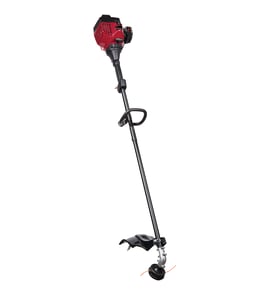
No. For the Craftsman CMXGTAMDAXSC gas line trimmer, attachment compatibility depends on the exact coupling/drive design used on the trimmer and the attachment; attachments are often not interchangeable across brands, and even within a brand they may require a specific “attachment-capable” system.
What to check on your CMXGTAMDAXSC before buying an attachment
Because attachment fit is determined by the trimmer’s coupler and drive interface (not just “string trimmer” vs “edger”), we recommend confirming these basics first:
- The shaft style: straight shaft vs curved shaft (many attachments require a straight shaft powerhead)
- Whether your unit has a quick-release coupler (attachment-capable) or a fixed shaft
- The drive type: flexible cable vs solid drive shaft
- The coupler tube diameter and the attachment’s matching diameter
- The connection method: clamp, pin, or proprietary latch
Compatibility quick guide
Use this as a practical way to avoid mismatches.
| What you have | What it usually means | What to do next |
|---|---|---|
| Fixed shaft trimmer | Attachments typically will not fit | Stick with trimmer head/line service parts |
| Coupler/quick-release powerhead | Attachments may fit, but only within the same system | Match the attachment brand/system and coupler specs |
| Different brand attachment | Often incompatible | Verify coupler diameter and drive interface before purchase |
If you are troubleshooting instead of adding attachments
Sometimes “attachment problems” are really performance or safety issues on the trimmer itself. If the unit is throwing debris, cutting poorly, or the guard is damaged, inspect the shield and mounting hardware.
- Check for cracks or missing fasteners on the guard
- Make sure the shield is installed square and tight
- Replace damaged guards before using metal edging blades or brush accessories
Relevant model part: line trimmer debris shield 841P032580S
Why it matters
Using an incompatible attachment can strip the drive, loosen during operation, or overload the engine. Confirming the coupler and drive match protects the CMXGTAMDAXSC powerhead and helps the attachment perform correctly.
Last updated: January 2026
How long do gas string trimmers last?
A Craftsman gas string trimmer like model CMXGTAMDAXSC typically lasts 5 to 10 years with normal homeowner use and basic maintenance. Heavy weekly use, poor fuel storage, and running with damaged cutting hardware can shorten life; consistent tune-ups can extend it.
Typical lifespan by use
- Light use (occasional edging): 8 to 10 years
- Normal homeowner use (seasonal weekly): 5 to 8 years
- Heavy use (large property, frequent trimming): 3 to 6 years
| Use pattern | What wears fastest | What helps most |
|---|---|---|
| Light | Fuel system from storage | Fresh fuel, proper storage |
| Normal | Carburetor, throttle cable, cutting head area | Annual tune-up, clean air path |
| Heavy | Engine compression, clutch/drive components | Avoid overheating, don’t over-rev |
What most often shortens trimmer life
- Storing fuel in the tank for long periods (varnish buildup in the carburetor)
- Running with a clogged air filter or dirty cooling fins (overheating)
- Using old or incorrect fuel mix (for 2-cycle engines)
- Impacts that crack or loosen the guard and mounting hardware
- Running with a binding head or excessive vibration
Maintenance that extends life (high impact)
- Use fresh fuel and empty the tank before long storage
- Keep the air intake and cooling areas clean
- Inspect the throttle response; replace a sticking or frayed cable if needed (see line trimmer throttle cable 746P04797A)
- Keep the guard intact to reduce debris damage (see line trimmer debris shield 841P032580S)
- Do a periodic tune-up using the steps in grass line trimmer maintenance checklist
Why it matters
Most “end of life” trimmer problems are really fuel-system or wear-item issues. Staying ahead of fuel storage, overheating, and vibration helps your CMXGTAMDAXSC start easier, run smoother, and avoid expensive engine damage.
Last updated: January 2026
How to replace line on Craftsman gas trimmer?
To replace the cutting line on your Craftsman CMXGTAMDAXSC gas line trimmer, feed the line into the trimmer head eyelets and wind it evenly without pressing the bump knob while turning. Stop when about 5 inches of line sticks out on each side.
Before you start (safety and setup)
- Shut the engine off and let it cool completely.
- Disconnect the spark plug wire so the trimmer cannot start accidentally.
- Wear gloves and eye protection; the line cutter on the debris shield is sharp.
- Use the correct diameter trimmer line for your head (too thick can jam).
- Clean grass and dirt from the head so the line seats correctly.
Easy-wind bump head reload steps (typical)
- Cut a length of new trimmer line (many heads use one long piece folded in half).
- Align the head’s loading arrows/ports (if present).
- Feed the line through until both sides are equal length.
- Turn the bump knob to wind the line; do not push in on the bump knob while turning.
- Keep winding until roughly 5 in. remains protruding from each side.
Quick checks if the line will not feed or keeps breaking
- Line is wound in the wrong direction.
- Line is crossed or overlapped inside the spool.
- Line diameter is too large for the head.
- Head is packed with debris or the eyelets are worn.
- The cutter edge on the shield is nicked or bent.
Parts that affect cutting line performance
If the line is cutting too short or fraying, inspect the shield and cutter area. A damaged shield can also change how the line exits the head.
| What you notice | What to check | What it can cause |
|---|---|---|
| Line gets cut off too short | Shield cutter area | Over-trimming, rapid line loss |
| Line frays at the head | Eyelets and debris buildup | Frequent breakage |
| Uneven line lengths | Spool winding | Vibration, poor cutting |
If the shield is cracked or missing, replace it with the line trimmer debris shield 841P032580S.
Why it matters
Correctly loading and evenly winding the line helps the bump-feed work smoothly, reduces jams, and prevents the line from wearing out too fast, which keeps your Craftsman trimmer cutting consistently.
Last updated: January 2026
What is the fuel mix ratio for a Craftsman weedeater?
For the Craftsman CMXGTAMDAXSC gas line trimmer, the fuel mix ratio cannot be identified from the model-specific information available here. Many Craftsman trimmers are 2-cycle (mixed fuel) while others are 4-cycle (straight gas), so the correct answer depends on the exact engine type on your unit.
How to confirm whether your CMXGTAMDAXSC needs mixed fuel
Check the engine labeling and caps before you fuel it:
- If it says 2-cycle, 2-stroke, or requires oil mix, it uses mixed fuel.
- If it has a separate engine oil fill/dipstick and the fuel cap does not mention mixing, it is typically 4-cycle and uses straight gas.
- Look for an emissions label that lists the engine family and cycle type.
- If you are unsure, do not guess; using the wrong fuel can cause hard starting and poor running.
Typical fuel guidance by engine type (general)
| Engine type | What goes in the fuel tank | Common mix ratios you may see |
|---|---|---|
| 2-cycle | Gasoline mixed with 2-cycle oil | 50:1 or 40:1 (varies by engine) |
| 4-cycle | Straight unleaded gasoline | No mix ratio |
If you already fueled it and it runs poorly
These symptoms often point to incorrect fuel or stale fuel:
- Won’t start or starts then dies
- Excess smoke and plug fouling (often too much oil in a 2-cycle)
- Surging or rough running
If fuel issues are suspected, we recommend draining the tank and refilling with fresh fuel that matches the engine type; then follow grass line trimmer common questions for next checks.
Why it matters
A 2-cycle engine relies on oil in the fuel for lubrication, while a 4-cycle engine uses crankcase oil. Using mixed fuel in a 4-cycle or straight gas in a 2-cycle can quickly lead to driveability problems and engine damage.
Last updated: January 2026
Where can I get Craftsman replacement parts?
For your Craftsman CMXGTAMDAXSC gas line trimmer, we recommend buying replacement parts by searching with the exact model number (CMXGTAMDAXSC) so you get compatible components. We offer model-matched parts here, and you can also shop through other authorized retailers that carry Craftsman service parts.
Best way to shop for the right part
Using the model number is the fastest way to avoid ordering a similar-looking part that will not fit.
- Find the model number on the trimmer’s ID label (often on the shaft, engine housing, or near the handle)
- Search using the full model number: CMXGTAMDAXSC
- Match the part by name and identifier (part number/ID)
- Compare photos and any notes about fitment before ordering
- If you are unsure, start with the most common wear or damage items (shield, throttle cable, engine components)
Common CMXGTAMDAXSC parts customers replace
These are examples of parts we list for this exact model; choose based on your symptom (damage, poor throttle response, engine issues, missing hardware).
| Part | What it helps with | When to replace |
|---|---|---|
| Line trimmer debris shield 841P032580S | Helps contain debris and supports safe trimming | Cracked, missing, or not protecting properly |
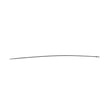
| Line trimmer throttle cable 746P04797A | Connects throttle trigger to carburetor throttle | Trigger feels loose, throttle sticks, engine will not rev |
| Mtd line trimmer short block 841P020761S | Core engine assembly | Low compression, severe internal engine damage |
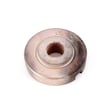
| Nut 2952 | Secures assemblies | Missing, stripped, or will not tighten |
Why it matters
Craftsman line trimmers often have multiple versions that look alike; using CMXGTAMDAXSC plus the exact part ID helps ensure proper fit, safe operation, and fewer returns.
Helpful DIY guidance
If you are also troubleshooting performance issues, our grass line trimmer common questions article can help you narrow down whether you are dealing with fuel, spark, or carburetor-related problems.
Last updated: January 2026
Which is better, .080 or .095 trimmer line?
For a Craftsman CMXGTAMDAXSC gas line trimmer, .095 trimmer line is usually the better all-around choice because it lasts longer and cuts thicker weeds with fewer breaks; .080 line is better when you want lighter load, cleaner edging, and easier feeding in light grass.
Quick comparison
| Line diameter | Best for | Tradeoffs |
|---|---|---|
| .080 in | Light-duty trimming, detail edging, smaller yards | Breaks faster in thick weeds; can wear down quickly |
| .095 in | General trimming, heavier weeds, faster cutting | Slightly more engine load; can be harder to feed on some heads |
How we choose the right size for CMXGTAMDAXSC
Because this is a gas trimmer, we typically recommend starting with .095 if your trimmer head is rated for it. If you notice bogging down, excessive vibration, or frequent line jams, stepping down to .080 can improve feed and reduce load.
Use these practical checks:
- Weed thickness: thick weeds and fence-line growth favor .095.
- Cut quality: fine edging and “cleanup passes” favor .080.
- Line break frequency: if .080 snaps constantly, move up to .095.
- Engine feel: if the trimmer struggles at full throttle with .095, try .080.
- Head feeding: if the head binds or won’t advance line smoothly, try a smaller diameter.
When line choice turns into a parts issue
If you are getting constant line breakage, line welding in the spool, or debris throwing back at you, inspect the cutting area and the guard. A damaged or missing shield can make trimming feel rough and unsafe.
- Check the line trimmer debris shield 841P032580S for cracks, missing sections, or loose mounting.
Why it matters
Using the right diameter helps your CMXGTAMDAXSC cut efficiently without overloading the engine, reduces frustration from constant re-spooling, and improves safety by keeping line control and debris deflection consistent.
Last updated: January 2026
Why does the cable in my strimmer line keep breaking?
On the Craftsman CMXGTAMDAXSC gas line trimmer, the “cable” that most often breaks is usually the cutting line, and it typically snaps from hitting hard objects (edging stones, fencing, concrete) or from incorrect line size or poor line feed. If you mean the throttle cable, inspect it for kinks and rubbing.
First, confirm which “cable” is breaking
Use this quick check so we troubleshoot the right system:
- Break is at the cutting head and you keep re-feeding line: it is the trimmer line breaking.
- Throttle trigger feels loose or won’t return: it may be the throttle cable.
- Line breaks immediately after bumping to feed: the head may be overfeeding or the line is routed wrong.
Common causes of trimmer line breakage (most likely)
- Cutting too close to rocks, pavers, metal edging, or chain link.
- Using the wrong diameter line for the CMXGTAMDAXSC head.
- Line is old, brittle, or heat-damaged from storage.
- Too much line is extended (it whips and snaps).
- Debris shield is missing or damaged, letting line overextend.
Parts to inspect on CMXGTAMDAXSC
If you’re seeing frequent snap-offs, check these model-compatible parts:
Quick fixes that usually stop repeat breaks
- Trim near hard edges at a slight angle; let the line do the work.
- Keep line length controlled; don’t run with excessive line out.
- Replace old line and store new line sealed (cool, dry place).
- Verify the debris shield is installed and not cracked.
| Symptom | Most likely cause | What we recommend |
|---|---|---|
| Line snaps when edging | Contact with hard surfaces | Back off the edge; reduce line length |
| Line snaps constantly in grass | Wrong line size or brittle line | Replace with correct diameter, fresh line |
| Trigger doesn’t respond smoothly | Throttle cable binding | Inspect routing; replace cable if frayed |
Why it matters
Repeated line breakage wastes time and can overload the cutting head, while a binding throttle cable can make speed control unpredictable. Fixing the root cause improves cut quality and reduces wear on Craftsman trimmer components.
Last updated: January 2026