Owner’s manual
 Error Codes



What is the lifespan of an LG refrigerator?
Most LG refrigerators, including the LG LFX28968ST, commonly last about 10 to 15 years with normal household use. Actual lifespan varies based on installation, cleaning, and how quickly cooling or ice-maker issues are corrected; consistent maintenance can help you reach the upper end of that range. For model-specific care guidance, use the LFX28968ST manual.
- Condenser cleanliness: Dust buildup makes the sealed system work harder.
- Door seal condition: Leaky gaskets cause longer run times and temperature swings.
- Airflow and loading: Overpacking blocks vents and stresses the evaporator fan.
- Water system upkeep: Old filters can reduce flow and strain the inlet valve.
- Room conditions: Hot garages and tight cabinetry reduce efficiency.
- Vacuum and brush the condenser area every 6 to 12 months.
- Keep doors closing squarely; avoid slamming and check alignment if doors drift.
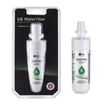
- Replace the water filter on schedule; use the correct LG kenmore refrigerator water filter ADQ36006101.
- Confirm temperatures stay steady (typical targets: 37°F fresh food, 0°F freezer).
- Address unusual noises, warm spots, or repeated icing early.
| Symptom you notice | Commonly involved area | Example compatible part for this model |
|---|---|---|
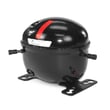
| Warm refrigerator/freezer, long run times | Sealed system or start components | Refrigerator compressor TCA38091801 |
| Poor water flow or slow ice production | Filtration or water supply | LG kenmore refrigerator water filter ADQ36006101 |
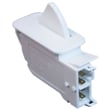
| Lights or alarms act odd when door closes | Door sensing | Refrigerator door switch 6600JB1010A |
A refrigerator that runs longer to hold temperature uses more energy and wears key components faster. Simple upkeep (cleaning coils, keeping doors sealed, changing filters) is often the difference between an average lifespan and a longer one.
Last updated: January 2026
What is the most common problem with an LG refrigerator?
For the LG LFX28968ST, the most common issue we see customers troubleshooting is cooling problems (refrigerator or freezer not staying cold). The root cause varies by symptom, but it often traces to airflow restrictions, fan/defrost issues, or a compressor-related failure; use the LFX28968ST manual to confirm the correct checks and settings for your exact unit.
- Fresh food section warm but freezer OK (airflow or damper/duct issue)
- Freezer warm and ice cream soft (sealed system or compressor-related)
- Frost buildup on the back wall (defrost system issue)
- Loud humming or clicking with poor cooling (start device or compressor)
- Temperatures swing after door openings (gasket or door alignment)
If troubleshooting points to a failed component, these are examples of compatible parts for LFX28968ST that can be involved in cooling performance:
| Symptom you notice | Often-related system | Example compatible part for this model |
|---|---|---|
| Warm fridge and freezer, compressor struggles to start | Compressor start circuit | Refrigerator compressor start relay EBG60663230 |
| Persistent warm temps, sealed system diagnosis needed | Compressor/sealed system | Refrigerator compressor TCA38091801 |
| Frost buildup, poor airflow | Defrost sensing/control | Refrigerator defrost sensor assembly 6615JB2005N |
| Weak airflow or warm cabinet with fan noise changes | Air movement across coils | Refrigerator freezer evaporator cover and fan assembly AEB73764547 |
- Verify temperature settings and allow 24 hours after any adjustment.
- Make sure vents inside the refrigerator and freezer are not blocked by food packages.
- Check door closure and gasket contact all the way around.
- Clean dust from the condenser area and confirm the condenser fan runs.
- If you have an error code, use LG bottom freezer refrigerator error codes to narrow the failure.
Cooling problems can spoil food quickly and can also cause secondary issues like excessive frost, long run times, and ice maker performance problems. Early troubleshooting helps you avoid replacing the wrong part and helps identify when a sealed system repair requires a technician.
Last updated: January 2026
Why is my LG refrigerator leaking from the bottom?
On the LG LFX28968ST, water leaking from the bottom is most often caused by a defrost drain problem (meltwater can’t reach the drain pan), or a leak in the ice maker or water supply system. We use the LFX28968ST manual to identify access points and safe disassembly steps.
- Confirm the liquid is water (not oily) and note if it’s clear or tinted.
- Check if the puddle appears after defrost cycles (often points to a drain issue).
- Look for ice buildup on the freezer floor or under the crisper drawers.
- Inspect the water filter area and tubing connections for drips.
- Check the ice maker fill area for splashing or overflow.
When the drain is blocked, defrost water can overflow into the cabinet and run down to the floor.
- Unplug the refrigerator.
- Remove the freezer drawer/bins as needed.
- Melt any ice around the drain trough with warm air (hair dryer on low) and flush the drain with warm water.
A slow drip can travel along lines and show up as a puddle at the front.
- Reseat the filter and check the housing for cracks.
- Inspect the line for kinks or rub-through; replace if damaged using refrigerator water tubing MJU62070602.
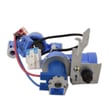
- If the leak is at the rear inlet connection or valve body, test/replace LG refrigerator water inlet valve 5221JB2010G.
A misaligned fill tube or failing ice maker can drip into the freezer and out the bottom.
- Look for ice stalactites near the ice maker fill area.
- If the ice maker is leaking or not cycling correctly, replace refrigerator ice maker assembly AEQ72910411.
| What you notice | Most likely cause | Best next step |
|---|---|---|
| Ice on freezer floor, water after defrost | Defrost drain clogged/frozen | Thaw and flush drain |
| Puddle near front, no ice buildup | Water line/filter leak | Inspect filter, tubing, valve |
| Water near ice bin or ice clumps | Ice maker leak/overfill | Inspect fill area, replace ice maker |
Bottom leaks can damage flooring and can also lead to hidden ice buildup that restricts airflow, causing warm temperatures and poor ice production.
Last updated: January 2026
Why is my LG bottom freezer frosting up?
On the LG LFX28968ST bottom-mount refrigerator, freezer frost is usually caused by warm, moist air leaking past the door seal or by defrost water not draining and refreezing on the freezer floor. Start by checking the door seal and looking for ice on the bottom.
- Confirm the freezer drawer closes fully and isn’t blocked by food packages.
- Inspect and clean the door gaskets; residue can prevent a tight seal.
- Look for a sheet of ice on the freezer floor (often points to a drain issue).
- Make sure interior vents are not blocked, which can worsen frost.
- Verify temperatures are set appropriately (freezer near 0°F, fresh food near 37°F).
If the gasket is torn, warped, or not sealing, humid kitchen air enters and freezes.
- Clean the gasket and cabinet sealing surface with mild soap and water.
- Do a paper test: close the door on paper; it should resist being pulled out.
- Replace a damaged gasket if it won’t seal.
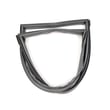
Model-matched gasket options:
If defrost water can’t drain, it refreezes and can create ice on the freezer floor, leading to recurring frost.
- Unplug the refrigerator.
- Melt and remove ice (hair dryer on low, keep heat moving).
- Flush the drain with warm water until it flows freely.
| What you see | Most likely cause | What to do next |
|---|---|---|
| Frost around door edges | Door not sealing | Clean/inspect gasket, check closure |
| Sheet of ice on freezer floor | Drain iced/blocked | Thaw and flush drain |
| Frost returns quickly after defrost | Possible defrost control issue | Inspect for heavy frost behind rear panel |
Frost restricts airflow across the evaporator, which can cause warmer freezer temperatures, longer run times, and water leaks when ice melts.
For model-specific panel access and disassembly guidance, use the LFX28968ST manual.
Last updated: January 2026