Installation guide
 Owner’s manual


What size is kdte104ess1?
The KitchenAid KDTE104ESS1 is a standard built-in dishwasher size: about 23.88 inches wide and 24.75 inches deep (overall, out-of-box). For installation, the cabinet opening and clearances matter just as much as the exterior size; see the KDTE104ESS1 installation guide.
- Width: ~23.88 in
- Depth: ~24.75 in
- Type: 24-inch class built-in (undercounter) dishwasher
- Fit note: Door handle and cabinetry can affect how far the front projects
Even when the dishwasher is “24-inch class,” the cabinet opening requirements can differ slightly by flooring, countertop thickness, and leveling legs.
| Measurement | What it means | Why it matters |
|---|---|---|
| Product width | Outside width of the unit | Confirms it fits between cabinets |
| Product depth | Outside depth of the unit | Helps plan door clearance and panel alignment |
| Cabinet opening | Cutout space under the counter | Determines whether the unit slides in cleanly |
- Measure the cabinet opening width in multiple spots (front and back).
- Confirm the depth to the back wall and allow room for the drain hose and water line.
- Check for toe-kick and flooring changes that can affect leveling.
- Make sure the dishwasher can be fully enclosed (top, sides, back, floor) per installation requirements.
- If you’re replacing an older unit, verify the old plumbing and wiring locations match the recommended routing.
Dishwashers like the KDTE104ESS1 are designed around a standard 24-inch opening, but small differences in cabinetry, flooring height, and utility routing can prevent a proper fit or cause the door to rub. Using the model-specific installation specs helps prevent rework.
Last updated: January 2026
What is the most common problem with a KitchenAid dishwasher?
For the KitchenAid KDTE104ESS1 dishwasher, the most common day-to-day problems we see are poor cleaning (often tied to filter or spray coverage issues) and drain-related symptoms (water left in the tub). Drying complaints are also common, especially without rinse aid and the right options. See the KDTE104ESS1 user manual for model-specific use, care, and troubleshooting steps.
- Food soils left on dishes: filter needs cleaning, spray arms blocked, or loading blocks spray paths.
- Water remains in the tub: drain hose kink, disposer knockout plug not removed, or a drain restriction.
- Not drying well: rinse aid empty, plastics loaded poorly, or drying option not selected.
- Detergent left in the dispenser: large items block the dispenser door, or cycle was interrupted.
- Cycle seems too long: normal for efficient models; options and incoming water temperature affect time.
- Confirm loading: nothing should block the upper/lower spray arms or detergent dispenser.
- Clean the filter system: filters are at the bottom center; rinse under running water.
- Run hot water at the sink nearest the dishwasher until hot, then start the cycle.
- Use rinse aid and select a drying option for better drying performance.
- If water won’t drain, check the drain hose routing and disposer connection.
If the basic checks don’t help, these symptoms often point to a component:
| Symptom | Common suspect | Example compatible part for KDTE104ESS1 |
|---|---|---|
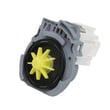
| Water won’t drain / standing water | Drain pump or drain path restriction | Dishwasher drain pump WPW10348269 |
| Poor cleaning even after filter cleaning | Spray coverage issue | Dishwasher spray arm WPW10327455 |
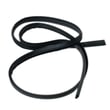
| Leaks at the door | Door seal wear or misalignment | Dishwasher door seal W11177741 |
On KDTE104ESS1, cleaning performance depends heavily on unblocked spray, a clean filter, and correct detergent and rinse aid use. Addressing those basics first can prevent unnecessary part replacement and reduce repeat issues.
Last updated: January 2026
What is the average lifespan of a KitchenAid dishwasher?
KitchenAid doesn’t publish an “average lifespan” for the KDTE104ESS1 in the product literature, so we can’t give a model-specific number from official documentation. In practice, lifespan varies widely; consistent cleaning, correct detergent use, and preventing leaks are the biggest controllable factors.
The KDTE104ESS1 documentation focuses on care, troubleshooting, and warranty coverage rather than a service-life estimate. Use the maintenance and troubleshooting sections in the KDTE104ESS1 user manual to keep performance strong and reduce wear on the pump, heater, and seals.
The KDTE104ESS1 manual includes a filter-cleaning frequency chart that changes based on how many loads you run and how well you scrape or rinse.
- Clean the filtration system on the schedule that matches your weekly loads and pre-scrape habits
- Use rinse aid for drying performance and to help reduce spotting and moisture left behind
- Avoid overusing detergent (too much can cause residue and performance issues)
- Keep spray arms clear so water pressure stays strong
- Wipe the door sealing surfaces to help prevent leaks and odors
| Loads per week | If you only scrape before loading | If you do not scrape or rinse before loading |
|---|---|---|
| 1 to 3 | Twice per year | Every 2 months |
| 4 to 7 | Twice per year | Once per month |
| 8 to 12 | Every 3 months | Every 2 weeks |
| 13 to 14 | Every 3 months | Once per week |
If you’re seeing leaks, poor draining, or door-closing issues, those symptoms often point to specific wear parts.
- Water at the door edge: inspect the dishwasher door seal W11177741
- Water left in the tub: check for drain restrictions; a failing pump can involve the dishwasher drain pump WPW10348269
- Door dropping open or not staying balanced: inspect door balance components and springs
Dishwashers usually don’t “suddenly die”; they lose performance first (noisy wash, weaker cleaning, slower draining). Following the KDTE104ESS1 care schedule helps you catch problems early and often avoid secondary damage.
Last updated: January 2026