 Installation guide
 Owner’s manual


Why is my Fisher and Paykel washing machine leaking from the bottom?
A bottom leak on your Fisher & Paykel washer model GWL11-96151 is usually caused by a loose or damaged hose connection, a drain system leak, or a water inlet leak that runs down the cabinet and drips underneath. Start by checking inlet hose connections for leaks as outlined in the GWL11-96151 installation guide.
- Unplug the washer and turn hot and cold faucets off before inspecting.
- Pull the washer forward and look for the first wet spot (front, center, or back).
- Check the inlet hoses at the faucets and at the washer for drips.
- Inspect the drain hose for cracks, loose fit, or rubbing damage.
- Look for water trails down the cabinet from the valve area (a top leak can end up as a bottom leak).
| Where you see water | Most likely cause | What you’ll notice |
|---|---|---|
| Back of washer | Inlet hose connection or valve area | Drips during fill, water tracks down rear panel |
| Near drain outlet area | Drain hose or clamp issue | Leaks during drain or spin |
| Center/bottom | Pump or internal hose leak | Puddle grows during drain, intermittent dripping |
If you find the leak at the fill hoses or inlet valve area, these model-matched parts are common fixes:
- Washer fill hose screen and seal set 420016P: clogged or damaged screens and seals can cause seepage at the hose connection.
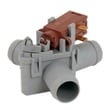
- Washer inlet valve seal 425251: a worn seal can let water escape around the inlet valve area.
Even a small leak can lead to floor damage and can also cause performance issues if the washer senses fill or drain problems. The installation instructions also call out turning faucets off when the washer is not in use, which helps prevent slow seepage from becoming a bigger leak.
- Water is actively spraying during fill
- You smell electrical burning or see water near wiring
- The leak continues after tightening connections and confirming hoses are not kinked
Last updated: February 2026
How quiet is the Fisher & Paykel top loader?
The Fisher & Paykel GWL11-96151 top-load washer is typically quiet in normal washing because it uses a low-water wash approach and generally needs less agitation than many conventional top loaders. The loudest moments are usually drain and high-speed spin, especially if the washer is not level.
- Soft swishing or light water sounds: normal fill and wash action
- A steady hum: normal motor operation
- A brief pump sound during drain: normal
- A louder roar or thumping in spin: usually leveling, load balance, or installation related
- Beeping: the washer can signal issues such as low water pressure or drain problems (see the GWL11-96151 user guide)
We see noise complaints most often when the washer is not installed and leveled correctly.
- Confirm the washer is level; leveling is important for proper spin performance
- Make sure the rubber inserts are installed in the adjustable feet
- Verify the washer has about 1 inch (25 mm) clearance on each side so it does not vibrate against cabinets
- Avoid overloading; bulky items can trigger out-of-balance spin recovery
- Check inlet hoses for kinks and confirm faucets are fully open (restricted flow can cause odd fill noises)
| What you hear | When it happens | Most common cause | What to do |
|---|---|---|---|
| Thumping/banging | Spin | Unbalanced load, washer not level | Rebalance load; re-level feet |
| Rattling | Any time | Washer touching wall/cabinet | Increase side clearance |
| Buzzing/humming with no fill | Start of cycle | Low water flow or valve issue | Check faucets, hose screens |
| Grinding or loud pump | Drain | Drain restriction or pump issue | Check standpipe/tub for obstructions |
A quiet washer is usually a sign the lid lock, suspension, and spin system are operating smoothly. Excessive spin noise often points to leveling or load balance problems, which can increase vibration and wear over time.
If you hear chattering, squealing, or harsh fill noise, cleaning the inlet screens often helps. For this model, we commonly use the washer fill hose screen and seal set 420016P when the screens or seals are damaged.
Last updated: February 2026
Does Fisher Paykel make washing machines?
Yes. Fisher & Paykel manufactures washing machines, including the Fisher & Paykel GWL11-96151 washer, which is designed for efficient washing and includes safety features such as a lid lock during hazardous parts of the cycle (especially spin). See the GWL11-96151 user guide for model-specific features and operation.
Fisher & Paykel washers are built around controlled water use and cycle automation to improve cleaning while reducing wasted water.
Common characteristics include:
- Automatic water level control based on load needs
- A lid lock system that helps prevent opening the lid during spin
- Cycle options and user settings described in the use and care information
- Warning signals (beeps) that can indicate issues such as low water pressure or drain problems
- Installation requirements that support stable spinning and proper draining
For parts and instructions, always match the model number exactly to ensure compatibility.
| What to match | Example for this washer | Why it matters |
|---|---|---|
| Model number | GWL11-96151 | Ensures correct parts and procedures |
| Product type | Washer | Avoids ordering similar-looking parts |
| Installation details | Standpipe height, hose routing, leveling | Prevents leaks, vibration, and drain errors |
If you are installing or moving the washer, follow the GWL11-96151 installation guide for hose hookup, standpipe guidance, and leveling steps.
Choosing parts and following setup steps based on the exact Fisher & Paykel model helps prevent common problems like leaks at the inlet connection, poor spin performance from an unlevel cabinet, and drain issues from a restricted standpipe.
Last updated: February 2026
Why is my Fisher and Paykel washing machine not filling properly?
If your Fisher & Paykel washer model GWL11-96151 isn’t filling properly, the most common causes are low inlet water pressure, kinked or clogged inlet hoses, or restricted hose screens at the faucets. Confirm your supply valves are fully open and the washer is installed to the water-pressure requirements in the GWL11-96151 installation guide.
- Make sure both hot and cold shut-off valves are fully open.
- Verify the inlet hoses are not kinked, crushed, or pinched behind the washer.
- Remove the hoses at the faucet end and clean the hose screens/filters.
- Confirm your home’s inlet water pressure is within the washer’s range (3 to 150 psi).
- If you have cold water only, install the required cap on the hot valve to prevent leaking.
- Check that the standpipe or laundry tub is not obstructed (drain restrictions can trigger warnings and disrupt normal operation).
Your GWL11-96151 is designed to operate within these installation limits:
| Item | Specification |
|---|---|
| Inlet water pressure | Min 3 psi (20 kPa); Max 150 psi (1 MPa) |
| Standpipe height | 33 1/2" to 78" |
| Hot water temperature | Max 150°F (65°C) |
| Cold water temperature | Max 95°F (35°C) |
If cleaning the screens and correcting hose/pressure issues doesn’t restore normal filling, these model-matched parts are often involved:
- Washer fill hose screen and seal set 420016P: replaces worn or clogged inlet hose screens and seals that can restrict flow or cause leaks.
- Washer water inlet valve 420238P: a failing valve can open slowly, stick, or not open at all.
- Washer inlet valve seal 425251: a damaged seal can cause leaking and poor valve performance.
Underfilling can lead to poor cleaning, detergent not dissolving, and cycle interruptions. Over time, restricted inlet flow can also cause repeated warning signals related to low water pressure.
Last updated: February 2026
What is the capacity of the GWL11-96151?
The Fisher & Paykel GWL11-96151 washer’s exact tub capacity (in cubic feet) is not listed in the installation specifications we have for this model. For the correct capacity rating and load guidance, use the specifications section in the GWL11-96151 owner’s manual.
The installation specs for GWL11-96151 focus on fit, hookups, and clearances rather than cubic-foot capacity.
- Width: 25 1/2 in (650 mm)
- Depth: 25 1/2 in (650 mm)
- Height to top of console: 40 1/2 to 41 1/2 in (1020 to 1050 mm)
- Height with lid open: 55 1/2 to 56 1/2 in (1410 to 1440 mm)
- Inlet water pressure: 3 to 150 psi (20 kPa to 1 MPa)
Use these spots in the documentation for the most accurate answer.
- Look for a “Specifications” or “Product features” section in the GWL11-96151 owner’s manual
- Check for a “Maximum load” or “Loading” section (often more useful than cubic feet)
- If you are installing the washer in a tight space, confirm clearances in the GWL11-96151 installation guide
Top-load washers clean best when items can move freely.
| Load type | How to load | What to watch for |
|---|---|---|
| Mixed everyday | Fill loosely, do not pack down | Poor turnover or tangling means reduce load |
| Towels/jeans | Balance around the basket | Out-of-balance during spin means redistribute |
| Bulky items | One bulky item at a time | Agitation restricted means it is overloaded |
Using the correct capacity and loading guidance prevents out-of-balance spinning, improves cleaning, and reduces wear on components like the inlet valve and suspension.
Last updated: February 2026
How big is the Fisher & Paykel GWL11-96151?
The Fisher & Paykel GWL11-96151 washer’s exact cabinet dimensions are listed in the model’s installation documentation; use the GWL11-96151 installation guide to match the published width, height, and depth to your laundry space. For planning, the guide also specifies required clearances and drain standpipe limits.
Use the installation specs first, then confirm your real-world fit (hoses, lid swing, and leveling).
- Cabinet width, height, and depth from the installation specs
- Rear space for inlet hoses and the drain hose (avoid tight bends)
- Side clearance for installation and service access
- Lid opening clearance (shelves and cabinets can interfere)
- Floor level and stable footing to reduce vibration in spin
These requirements come from the installation instructions for this washer.
| Planning item | Requirement for GWL11-96151 | Why it matters |
|---|---|---|
| Side clearance | Minimum 1 inch (25 mm) on each side | Easier installation and service access |
| Drain standpipe height (basement installs) | Do not exceed 78 inches | Helps prevent drain and siphoning issues |
| Hose routing | No kinks; check for leaks after hookup | Prevents fill leaks and flow restrictions |
- Measure the widest fixed points of the cabinet (not just the lid overhang).
- Measure height from the floor to the top surface.
- Measure depth from the front face to the back, then add room for hose connections.
- If installing in an alcove, include the 1-inch side clearances in your opening width.
Correct sizing prevents common install problems like kinked inlet hoses, poor draining, and excessive vibration. When the washer is level and has the specified clearance, it spins more smoothly and is easier to service.
Last updated: February 2026


