Owner’s manual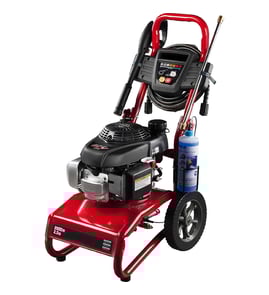



What kind of gas goes in a Craftsman 3000 PSI pressure washer?
For the Craftsman 580752870 gas pressure washer, we use clean, fresh, unleaded gasoline with a minimum rating of 87 octane (87 AKI; 91 RON). Gasoline with up to 10% ethanol is acceptable, but we do not use E15 or E85.
Fuel type and what to avoid
Use these fuel guidelines to protect the engine and keep starting consistent (especially after the unit sits for a day or more).
- Use unleaded gasoline, fresh and clean
- Use 87 octane minimum (87 AKI; 91 RON)
- Up to 10% ethanol (E10) is OK
- Do not use E15 or E85
- Do not mix oil into the gasoline
- Store fuel in an approved container and replace old fuel regularly
Quick checklist before you add fuel
Follow the sequence in the 580752870 owner's manual so the engine is ready to run safely.
| Step | What to do | Why it matters |
|---|---|---|
| 1 | Set the pressure washer on a flat, level surface | Helps you fill accurately and prevents spills |
| 2 | Add engine oil to the FULL mark before starting | Prevents engine damage from dry starts |
| 3 | Add the correct gasoline (87+ octane, unleaded) | Reduces hard-starting and poor performance |
| 4 | Connect water supply and purge air before starting | Protects the pump from running dry |
Why it matters
Using the right fuel (and avoiding higher-ethanol blends like E15/E85) helps prevent rough running, power loss, and fuel-system issues. Fresh 87-octane unleaded also supports reliable starts and steady pressure output.
Last updated: February 2026
Can I use SAE 30 instead of 10W30 in my pressure washer?
Yes. On the Craftsman 580752870 gas pressure washer, SAE 30 is a good choice in warm weather, but it can cause hard starting below 40°F. 10W-30 starts easier in cooler temperatures, but in heat above 80°F it can increase oil consumption, so we check the oil level more often (see the owner's manual).
Quick oil choice guide (based on temperature)
Use this as a practical rule for your 580752870:
- Below 40°F: Use 10W-30 for easier starting.
- 40°F to 80°F: 10W-30 or SAE 30 both work well.
- Above 80°F: SAE 30 is often preferred; if you use 10W-30, check oil more frequently.
- Use a high-quality detergent oil rated SF, SG, SH, SJ or higher.
- Do not use special additives.
| Outdoor temperature | Better pick | What to watch for |
|---|---|---|
| Below 40°F (4°C) | 10W-30 | SAE 30 can hard-start |
| 40°F to 80°F | Either | Normal checks |
| Above 80°F (27°C) | SAE 30 | 10W-30 may use more oil |
How we check and add oil correctly
Following the routine in the owner's manual helps prevent low-oil shutdowns and engine wear.
- Set the pressure washer on a level surface.
- Remove the dipstick, wipe it clean, reinstall and tighten.
- Remove again and confirm oil is at the FULL mark.
- Add oil slowly to avoid overfilling.
- Recheck the level after adding.
Why it matters
Oil viscosity affects starting, lubrication, and oil consumption. Using SAE 30 in cold weather can make the engine harder to start; using 10W-30 in high heat can increase oil use, which makes frequent dipstick checks important.
Last updated: February 2026
What PSI should my pressure washer be?
For the Craftsman pressure washer model 580752870, the rated maximum outlet pressure is 2,700 PSI (with a typical operating rating listed as 2,100 PSI). That PSI range is right for most home cleaning jobs like patios, siding, and driveway spot cleaning; use the correct spray tip to match the surface.
What your model is designed to deliver
Your 580752870 is specified at:
| Spec | What it means for cleaning |
|---|---|
| 2,700 PSI max | Peak pressure under PWMA rating; best for tougher grime with the right tip |
| 2,100 PSI | A more typical working pressure rating |
| Up to 2.3 GPM | Higher flow helps rinse faster and improves cleaning speed |
For the exact ratings and operating limits, use the 580752870 owner's manual.
How to choose the “right” PSI for the job
We recommend matching pressure and spray pattern to the surface, not just chasing the highest PSI.
- Cars, grills, patio furniture: lower pressure, wider fan tip
- Decks and fences (wood): moderate pressure; keep distance to avoid gouging
- Concrete and brick: higher pressure is usually OK; use a fan tip, not a pinpoint stream
- Painted surfaces and siding: moderate pressure; avoid forcing water behind panels
- Stains that will not lift: use detergent siphoning and dwell time, then rinse
Quick checks if pressure seems too low or inconsistent
Low PSI is often caused by setup issues, restrictions, or a worn control component.
- Confirm the garden hose supply is strong enough (good flow and at least typical household pressure)
- Purge air from the system by squeezing the trigger with water on before starting
- Inspect for leaks at the spray gun, hose connections, and pump fittings
- Try a different spray tip; a worn or partially clogged tip reduces pressure
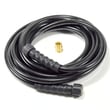
- Check the high-pressure hose for kinks or internal damage; replace if needed (example: pressure washer hose 84006753)
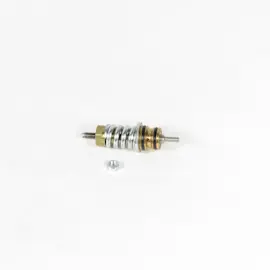
- If pressure surges or will not regulate, the unloader system may need service (see how to replace a pressure washer unloader valve)
Why it matters
Using more PSI than the surface can handle can etch concrete, shred wood fibers, and strip paint. Using too little PSI wastes time and can make you overcompensate by getting too close, which also increases damage risk.
Last updated: February 2026
Is it worth replacing the pump on a pressure washer?
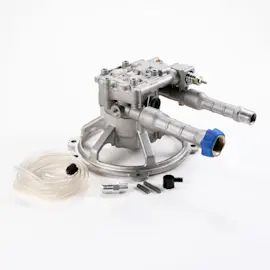
Replacing the pump on a Craftsman pressure washer model 580752870 is worth it when the engine runs well and the rest of the unit is in good shape; a new pump can restore pressure and extend service life. If the machine has multiple issues (hose leaks, worn fittings, poor maintenance history), replacement is usually the better value.
Quick decision checklist
- Replace the pump if the engine starts easily, runs smoothly, and you mainly have low pressure, surging, or water leaking at the pump.
- Replace the pressure washer if the engine is unreliable, the frame/base is damaged, or you expect multiple repairs soon.
- If pressure problems are intermittent, rule out nozzle clogs and air in the pump first (these are common and cheaper than a pump).
- If you ever ran it without water or it froze, pump damage is likely and replacement becomes more practical.
Before you buy a pump: confirm it is really the pump
Many “bad pump” symptoms come from restrictions or leaks. Use these steps from the 580752870 owner's manual and standard pressure washer checks:
- Check the water inlet screen for damage or blockage.
- Inspect the high-pressure hose for leaks; never patch a high-pressure hose.
- Backflush the nozzle extension and spray tip to clear debris.
- Purge air by running water through the system before starting.
Common symptom-to-cause guide
| Symptom | Most common cause | What to check first |
|---|---|---|
| Low pressure | Clogged spray tip, air in pump | Clean tip, purge air, verify water supply |
| Pressure surges | Nozzle restriction, unloader issue | Try different tip, inspect unloader |
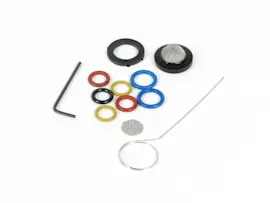
| Water leaking at pump | Seals, fittings, cracked manifold | Check fittings and O-rings; then pump |
| Hose bursts/leaks | Worn hose | Replace hose (do not repair) |
Parts that often get replaced along with pump work
If you are chasing pressure loss or leaks, these model-matched parts are common add-ons:
- Pressure washer hose 84006753 (high-pressure hose replacement)
- Pressure washer unloader valve kit 772235 (pressure regulation and bypass)
- Pressure washer spray nozzle set 314075GS (worn or mismatched tips)
Why it matters
A weak pump can make cleaning slow and can overheat the system. Your 580752870 has an automatic cooldown feature that cycles warm water to help prevent internal pump damage, but it is still important to keep water flowing, keep the inlet screen clean, and winterize to prevent freeze damage.
Last updated: February 2026
Does Craftsman have a lifetime warranty on pressure washers?
Craftsman pressure washers like model 580752870 do not have a lifetime warranty; the operator’s manual for this unit specifies a two-year full warranty from the date of purchase for defects in materials or workmanship (with important exclusions for wear items). For exact coverage terms and claim steps, use the 580752870 owner's manual.
What the warranty covers (and what it does not)
The manual’s warranty is focused on manufacturing defects, not normal wear or damage from misuse.
- Covers defects in materials and workmanship during the warranty period
- Provides repair or replacement for a defective product (per the manual’s terms)
- Does not cover normal wear items (common pressure washer consumables)
- Does not cover damage from modification, improper repair attempts, or certain accessories
- Requires you to maintain the unit as described in the maintenance schedule
Common “wear items” typically excluded
| Item type | Examples | Why it’s excluded |
|---|---|---|
| Spray components | spray tips, nozzle extensions, spray gun | normal wear from use |
| Hoses and filters | high-pressure hose, inlet screen/filter | abrasion, clogging, aging |
| Engine tune-up parts | spark plug, air filter | routine maintenance |
How to protect your coverage
Following the maintenance schedule helps prevent avoidable failures and supports warranty eligibility.
- Check engine oil level before use; change oil on schedule
- Check the high-pressure hose for cuts, bulges, or leaks
- Check the detergent siphoning hose and fittings
- Clean debris from the unit and cooling areas
- Check the water inlet screen and clean if clogged
Why it matters
Warranty coverage and exclusions affect whether a “no pressure” or “leaking hose” issue is treated as a defect or as routine replacement. For example, a worn hose is usually a maintenance item; if you need a replacement, match your unit to the correct part such as the pressure washer hose 84006753.
Last updated: February 2026
What is the life expectancy of a pressure washer?
A gas pressure washer like the Craftsman 580752870 typically lasts 5 to 7 years with normal homeowner use; with consistent maintenance and proper storage, 8 to 10+ years is common. Lifespan is driven more by maintenance habits (oil, hoses, debris cleanup) than by age alone.
Typical lifespan ranges (what we see most often)
| Pressure washer type | Typical life expectancy | Notes |
|---|---|---|
| Light-duty residential (budget) | 1 to 3 years | Shorter pump and hose life if stored wet or run dry |
| Mid-range gas residential (like many Craftsman units) | 5 to 7 years | Best results with seasonal service and winterizing |
| Heavy-duty / commercial | 10+ years | Higher-grade pump and engine, more frequent maintenance |
Maintenance that extends life the most
The 580752870 manual calls out routine checks that directly prevent early pump and engine wear. Use the schedule in the owner's manual as your baseline.
- Change engine oil on schedule; check oil level before use
- Check and clean the water inlet screen; replace if torn
- Inspect the high-pressure hose for cuts, bulges, leaks, or damaged couplings
- Clean debris from the unit and keep cooling openings unobstructed
- Check the detergent siphoning hose and spray gun/nozzle assembly for leaks
- After each use, shut off water, relieve pressure at the gun, and avoid leaving water sitting in the pump
Parts that commonly limit “real-world” lifespan
Many pressure washers get replaced because a wear item fails, not because the whole machine is worn out.
| Wear item | What failure looks like | Example part for this model |
|---|---|---|
| High-pressure hose | Leaks, kinks, weak spray | Pressure washer hose 84006753 |
| Spray tip/nozzle | Poor pattern, surging, low cleaning power | Pressure washer spray nozzle set 314075GS |
| Unloader valve | Pressure spikes, surging, hard-to-control spray | Pressure washer unloader valve kit 772235 |
Why it matters
A pressure washer pump can be damaged quickly by running without adequate water flow, storing with water inside, or using a worn hose/nozzle that forces the pump to work harder. Following the manual’s maintenance and after-use steps helps you keep rated pressure and avoid premature pump or engine wear.
Last updated: February 2026