- Kenmore refrigerator water filters
- Whirlpool refrigerator water filters
- Samsung refrigerator water filters
- GE refrigerator water filters
- LG refrigerator water filters
- Frigidaire refrigerator water filters
- KitchenAid refrigerator water filters
- Maytag refrigerator water filters
- Kenmore Elite refrigerator water filters
- Estate refrigerator water filters
- GE Profile refrigerator water filters
- Amana refrigerator water filters
- Bosch refrigerator water filters
- Dacor refrigerator water filters
- Electrolux refrigerator water filters
Top DIY repair help
View All Repair Categories
Appliances
Lawn & Garden
Power Tools
Home Improvement
Sports & Leisure
Heating & Cooling
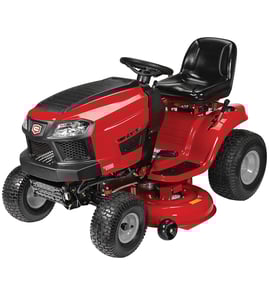
Wizard Riding mowers & tractors Parts — Browse All Models
Sears PartsDirect makes it easy to find the Wizard riding lawn mower and tractor parts you need to keep your equipment running strong. Whether you're repairing a starter issue or replacing dull blades, we carry genuine parts for a wide range of Wizard models. Search by model number or browse below to find parts for your specific mower.
Need help with repairs? Visit our riding mower and tractor DIY repair help page for step-by-step guides to diagnose and fix common problems.
Browse by Category
Riding Mowers & Tractors
Riding Mowers & Tractors

 Owner’s manual
Frequently bought Wizard parts
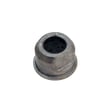
Wizard Lawn Tractor Axle Flange Bearing
Part #9040H
Replaced by #532009040
Manufacturer substitution
This part replaces 9040H. Substitute parts can look different from the original.
This item is not returnable
In Stock
$16.36
11% OFF Phone Price : $18.36

Qty


Lock Washer
Part #10040800
Replaced by #810040800
Manufacturer substitution
This part replaces 10040800. Substitute parts can look different from the original.
In Stock
$14.83
Qty
Rally Lawn Tractor Nut
Part #150360
Replaced by #532150360
Manufacturer substitution
This part replaces 150360. Substitute parts can look different from the original.
This item is not returnable
In Stock
$5.54
Qty
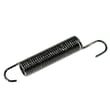
Return Spring
Part #131870
Replaced by #532131870
Manufacturer substitution
This part replaces 131870. Substitute parts can look different from the original.
In Stock
$25.22
19% OFF Phone Price : $31.22
Qty
Wizard Lawn & Garden Equipment Bolt
Part #71110408
Replaced by #596437001
Manufacturer substitution
This part replaces 71110408. Substitute parts can look different from the original.
This item is not returnable
In Stock
$5.54
Qty
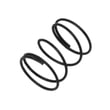
Lawn Tractor Compression Spring
Part #121250X
Replaced by #532121250
Manufacturer substitution
This part replaces 121250X. Substitute parts can look different from the original.
This item is not returnable
In Stock
$7.40
Qty
Popular maintenance items for Riding Mowers & Tractors
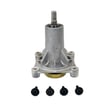
Lawn Tractor Mandrel Assembly (587819701)
In Stock
$74.90
7% OFF Phone Price : $80.90
Qty
Husqvarna Lawn Tractor Blade Drive Belt, 1/2 X 95-1/4-in
In Stock
$38.92
16% OFF Phone Price : $46.12
Qty
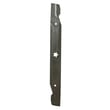
Lawn Tractor 42-in Deck High-lift Blade
In Stock
$26.35
19% OFF Phone Price : $32.35
Qty
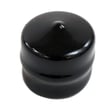
Husqvarna Lawn Tractor Axle Cap
Part #532104757
This item is not returnable
In Stock
$5.76
15% OFF Phone Price : $6.76
Qty
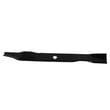
Husqvarna Lawn Tractor 42-inch Deck Mulching Blade
In Stock
$23.98
31% OFF Phone Price : $34.81
Qty
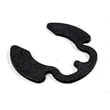
Husqvarna Lawn Tractor Retainer Ring
Part #812000029
This item is not returnable
In Stock
$3.80
21% OFF Phone Price : $4.80
Qty
Frequently replaced Wizard riding mower and tractor parts
Wizard riding mowers and lawn tractors include a number of high-wear parts that can affect performance or prevent your mower from starting. Replacing these components when they fail helps extend your mower’s life and keeps your yard looking sharp.
Mandrel assembly
The mandrel assembly supports the mower blade under the deck and connects it to the pulley system that drives the blade rotation. When the mandrel bearings wear out or the housing cracks, the blade may wobble or fail to spin. Replacing the assembly restores safe, even blade movement.
Follow our guide to how to replace a mandrel assembly on a riding lawn mower for step-by-step instructions.
Starter solenoid
The starter solenoid acts as a switch that controls the electrical current from the battery to the starter motor. If you turn the key and hear a click but the engine doesn’t crank, a failed solenoid might be the cause. Testing and replacing this part can solve many no-start issues.
Check out our guide to replacing the starter solenoid on a riding lawn mower to do it yourself.
Blade
Wizard riding mowers use different blade types, including standard lift, mulching, and high-lift blades. Choose the blade type that matches your cutting needs—standard for general mowing, high-lift for bagging, and mulching blades for fine clippings. Replace blades that are dull, bent, or chipped to ensure a clean, even cut.
Learn how to replace a riding lawn mower blade with our DIY guide.
Routine riding mower and tractor maintenance
Regular maintenance improves performance, prevents breakdowns, and extends the life of your riding mower. Seasonal upkeep also helps your mower start easily after winter storage and run efficiently throughout the cutting season. Keeping up with maintenance reduces long-term repair costs and keeps your mower ready to tackle every job.
Explore our full selection of lawn mower maintenance parts for filters, belts, blades, and tune-up kits.
Change the engine oil
Replace engine oil at least once per mowing season, or after every 50 hours of use. Dirty oil reduces lubrication and can damage engine components over time.
Replace the air filter
Swap the air filter regularly to prevent dust and debris from entering the engine. A clogged air filter restricts airflow, leading to hard starts and poor performance.
Inspect and replace belts
Check the drive and deck belts for cracking or stretching. A worn belt can slip or break during mowing, leaving you with an inoperable deck or drivetrain.
Clean the underside of the deck
Grass clippings and debris can build up under the mower deck and reduce cutting efficiency. Scrape off buildup periodically to maintain good airflow and blade action. You can also use a deck spray to help prevent grass buildup.
Check tire pressure
Low or uneven tire pressure can affect steering and cutting height. Check pressure regularly and inflate to the recommended PSI listed in your mower’s manual.
FAQ about Wizard riding lawn mower parts
Q: How do I find the right parts for my Wizard riding mower?
A: Locate your model number—usually found under the seat or on the mower frame—and enter it in the search bar to view compatible parts.
Q: Why does my mower start but die after a few seconds?
A: This could point to a clogged carburetor, a dirty fuel filter, or stale fuel. Cleaning the carburetor and replacing the fuel filter often resolves the issue.
Q: What’s the difference between high-lift and mulching blades?
A: High-lift blades create strong airflow to lift clippings into a bag. Mulching blades recirculate clippings inside the deck to cut them into smaller pieces.
Q: Can I reuse an old starter solenoid?
A: If the solenoid is damaged or corroded, it's best to replace it. Reusing a faulty solenoid can cause ongoing starting problems.
Fixing a Wizard riding mower or lawn tractor is easier when you have the right parts and step-by-step guidance. From starting issues to blade problems, most repairs are simple with help from our riding mower and tractor DIY repair help section. You’ll find clear instructions, troubleshooting tips, and everything you need to get your mower running again.
Parts & More
Bottom-Mount Refrigerator
Dishwasher
Electric Water Heater
Front-Engine Lawn Tractor
Gas Chainsaw
Gas Leaf Blower
Gas Walk-Behind Mower
Parts
Top-Mount Refrigerator