Error Codes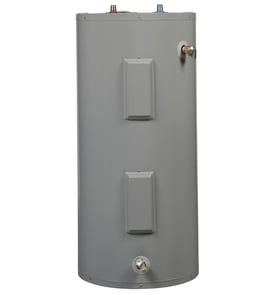





Can you replace parts on a water heater?
Yes. On the Rheem 81V52 electric water heater, we can replace many service parts (such as a drain valve or dip tube) to restore performance and extend the heater’s life. If the tank itself is leaking from corrosion, replacing parts will not solve it and replacement is typically the practical fix.
Parts you can commonly replace (and what they do)
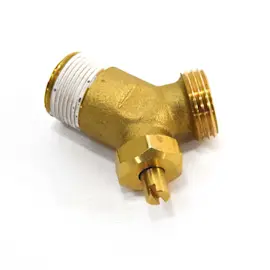
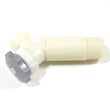
- Drain valve: lets you drain the tank for flushing sediment or service; a leaking valve is often replaceable with the correct part, such as the drain valve 100108605.
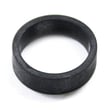
- Dip tube: directs incoming cold water to the bottom of the tank; a broken tube can cause lukewarm water and faster hot-water depletion, and may be replaced with the dip tube SP11248R.
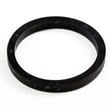
- Gasket: helps seal certain openings to prevent leaks after service; if a seal is disturbed or damaged, you may need a replacement like the gasket SP6708.
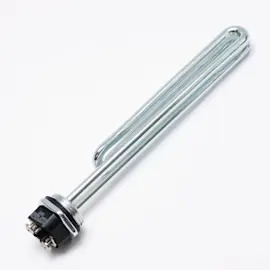
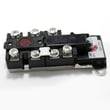
- Electric heating and temperature controls: many electric water heaters also use replaceable heating elements and thermostats (specific compatible items vary by model).
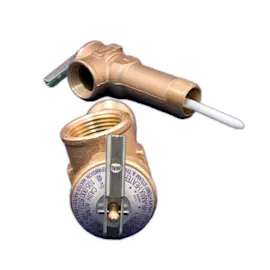
- Relief valve and piping fittings: often serviceable when leaking or not operating correctly.
Basic safety steps we recommend before any repair
- Turn OFF power at the breaker (electric shock hazard).
- Shut OFF the cold-water supply to the heater.
- Open a hot-water faucet to relieve pressure.
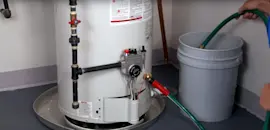
- If draining, connect a hose and route it to a safe drain location.
- Let water cool if possible to reduce scald risk.
Repair vs. replace: quick decision guide
| Situation | What it usually means | Typical next step |
|---|---|---|
| Leak at a valve or fitting | Localized, serviceable leak | Replace the leaking part and reseal |
| Poor hot-water delivery | Possible dip tube, sediment, or control issue | Inspect/flush, then replace the suspect part |
| Water leaking from the tank body | Tank corrosion or failure | Replace the water heater |
Why it matters
Replacing the right part can stop leaks, improve hot-water recovery, and prevent repeat shutdowns. It also helps you avoid unnecessary full replacement when the issue is limited to a service component.
Last updated: January 2026
How do I know if my electric water heater element is bad?
A bad heating element in your Rheem 81V52 electric water heater usually shows up as little or no hot water, slow recovery, or a tripped breaker (especially if an element is shorted). We confirm it by safely testing the element for continuity and checking for a short to ground.
Common signs the element is failing
- Hot water runs out faster than normal (one element not heating)
- Water never gets fully hot, or takes a long time to recover
- Breaker trips or you smell overheating at the access panel (possible short)
- You hear more sizzling/popping than usual (heavy scale on the element)
- One access panel area is noticeably hotter than the other
How we test an electric water heater element (basic overview)
- Turn off power at the water heater breaker and verify power is off.
- Remove the upper and lower access panels; pull back insulation.
- With wires removed from the element terminals, use a multimeter to:
- Check continuity across the two element screws.
- Check for a short to ground from each screw to the metal tank.
For meter basics, use how to use a multimeter to test electrical parts video.
What the meter results mean
| Test | Normal result | What “bad” looks like |
|---|---|---|
| Continuity across element terminals | Continuity present | No continuity (open element) |
| Short to ground (terminal to tank) | No continuity | Continuity present (shorted element) |
Why it matters
A failed element can leave you without hot water, and a shorted element can repeatedly trip the breaker. Catching it early helps prevent overheated wiring and repeated no-hot-water problems.
Parts note for model 81V52
Heating elements are model-specific by wattage and thread style. The compatible element part number is not identified in the available model-specific parts list we have here, so we recommend matching by the exact Rheem 81V52 specifications when selecting a replacement.
Last updated: January 2026
Is it cheaper to repair or replace a water heater?
For a Rheem 81V52 50-gallon electric water heater, it’s usually cheaper to repair when the issue is a replaceable component (like a valve or internal tube) and the tank itself is sound. It’s usually smarter to replace when the tank is leaking, heavily rusted, or repair costs approach about half the price of a new heater.
Quick decision checklist
- Repair if the tank is not leaking and you have:
- No hot water or inconsistent hot water (often electrical controls or internal components)
- A slow drip from a serviceable fitting or valve
- Sediment-related symptoms that improve after flushing
- Replace if you have:
- Water leaking from the tank body or seams (tank failure)
- Heavy rust at the base or around tank welds
- Repeated breakdowns in a short period
- Repair estimate near 50% or more of replacement cost
Common repairable items for model 81V52
These are examples of parts that are typically less expensive than a full replacement when the tank is still good:
Repair vs replace: cost and outcome comparison
| Situation | Typical best choice | Why |
|---|---|---|
| Minor leak at drain valve or fitting | Repair | Low parts cost; restores function quickly |
| Hot water runs out fast (dip tube issue) | Repair | Targeted fix; avoids full replacement |
| Tank is leaking | Replace | Tank leaks are not a reliable long-term repair |
| Multiple parts failing repeatedly | Replace | Better reliability and fewer service calls |
Why it matters
A water heater replacement is a bigger upfront expense, but a failing tank can cause ongoing water damage risk and repeated service costs. When the tank is healthy, repairing a specific component is usually the most cost-effective path.
Last updated: January 2026
What is the average lifespan of a Rheem water heater?
A Rheem electric water heater like model 81V52 typically lasts 10 to 15 years under normal household use. Water quality, temperature setting, and maintenance (especially periodic tank flushing) are the biggest factors that shorten or extend service life.
Typical lifespan range (what to expect)
Most standard residential tank-style electric water heaters fall into a predictable range:
- 10 to 15 years: typical lifespan for a well-maintained electric tank water heater
- 5 to 10 years: common when water is very hard, maintenance is skipped, or the unit runs hot
- 15+ years: possible with good water conditions and consistent maintenance
Signs your 81V52 is nearing end of life
These symptoms often point to internal tank wear or heavy sediment buildup:
- Rust-colored hot water or metallic odor
- Rumbling, popping, or banging sounds during heating
- Water around the base of the tank (not from plumbing fittings)
- Hot water runs out faster than it used to
- Frequent temperature swings or slow recovery
Maintenance that helps it last longer
A few simple habits can reduce sediment and corrosion stress:
- Flush a few gallons from the drain valve periodically to remove sediment
- Keep the thermostat at a reasonable setting (higher temps increase wear)
- Check for small leaks at fittings before they become major leaks
- Replace worn seals if you see seepage at service openings (for example, a gasket SP6708)
Quick impact guide
| What you do | What it helps prevent | Lifespan impact |
|---|---|---|
| Periodic flushing | Sediment, overheating, noise | High |
| Moderate temp setting | Excess cycling and scale | Medium |
| Fix small leaks early | Corrosion and water damage | Medium |
| Inspect drain components | Drips and mineral clogging | Low to medium |
Why it matters
Once the tank itself starts corroding internally, repairs usually become less cost-effective than replacement. Knowing the typical lifespan helps you plan for proactive maintenance and avoid surprise loss of hot water.
Last updated: January 2026
What is the most common problem with water heaters?
The most common problem we see on tank-style water heaters like the Rheem 81V52 is sediment buildup in the bottom of the tank, which causes rumbling or popping noises, slower recovery, and higher energy use. Leaks and failed electric heating controls are also frequent.
What “most common” usually looks like
- Sediment buildup: noise, reduced hot water, overheating at the element
- Water leaks: loose fittings, leaking drain valve, or internal tank corrosion
- No hot water (electric): tripped breaker, failed heating element, bad thermostat, or high-limit trip
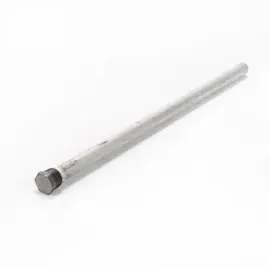
- Rusty or smelly water: depleted anode rod or bacteria in the tank
- Low hot water volume: broken dip tube or heavy sediment reducing usable capacity
Quick checks you can do safely
Turn off power at the breaker before removing any access panels.
- Listen for popping/rumbling during heating cycles (sediment clue)
- Look for moisture at the drain outlet and around plumbing connections
- Check for water at the base of the tank (can indicate a serious leak)
- If hot water runs out fast, consider inspecting the dip tube SP11248R
- If you need to drain or flush the tank, the drain valve 100108605 is the common service point
Symptom-to-cause guide
| Symptom | Most likely cause | Typical next step |
|---|---|---|
| Rumbling/popping | Sediment buildup | Flush tank; consider maintenance schedule |
| Water on floor near drain | Drain valve seepage | Inspect/replace drain valve |
| Hot water runs out quickly | Dip tube damaged or sediment | Inspect dip tube; flush tank |
| Drips at a panel or seam | Internal leak | Plan for replacement; stop using if leaking worsens |
Why it matters
Sediment acts like insulation between the heating element and water, so the heater works harder, costs more to run, and can overheat components. Catching leaks early can also prevent water damage.
Last updated: January 2026