Owner’s manual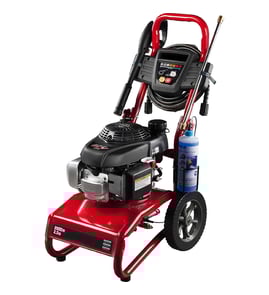



Can you put 87 gas in a pressure washer?
Yes. For the Craftsman gas pressure washer model 580754911, we recommend using clean, fresh regular unleaded gasoline with a minimum octane rating of 87. Do not mix oil with the fuel; add the correct engine oil separately as directed in the 580754911 operator’s manual.
Fuel type and what to avoid
Use fuel that helps the engine start easily and run smoothly.
- Use regular unleaded gasoline (87 octane minimum)
- Use fresh fuel (old fuel can cause hard starting and rough running)
- Do not mix oil into the gas (this is a 4-cycle engine setup)
- Avoid overfilling the tank; fill only to the fuel level limit in the tank neck
- Wipe up spills and let vapors dissipate before starting
Quick fuel guidance (what’s OK vs not)
| Fuel choice | OK to use? | Notes |
|---|---|---|
| 87 octane regular unleaded | Yes | Minimum octane recommended for this model |
| Higher octane unleaded (88-93) | Yes | Fine to use; typically no performance benefit for pressure washing |
| Gas mixed with 2-cycle oil | No | Can foul the plug and cause heavy smoke and poor running |
| Stale/old gasoline | No | Common cause of no-start and surging |
Why it matters
Using the correct gasoline protects the engine and helps prevent common problems like hard starting, surging, and loss of pressure caused by an engine that cannot maintain steady RPM.
Related parts that often get checked during “fuel” problems
Fuel issues sometimes get blamed when the real problem is a restriction or leak in the water side. These parts are commonly inspected during troubleshooting:
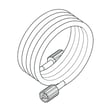
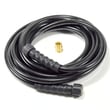
- Pressure washer hose 84006753 (kinks, internal collapse, leaks)
- Spray tip/nozzle condition (a clogged tip can make the unit seem weak)
- Water supply flow and inlet screen (low flow can cause poor performance)
Last updated: February 2026
Is a 3000 PSI pressure washer good?
Yes. A 3000 PSI pressure washer is a strong, heavy-duty homeowner level that cleans concrete and brick quickly when you use the right nozzle and distance. For Craftsman model 580754911, the rating is 2800 MAX PSI, which is still excellent for most residential jobs.
What 3000 PSI is best for (and when it is too much)
- Driveways, sidewalks, and concrete patios
- Brick, block, and some stone (test a small spot first)
- Heavy mildew and ground-in dirt on hard surfaces
- Fast rinsing of large areas (paired with good water flow)
- Too aggressive for: soft wood, older paint, window seals, and vehicles (use a wider fan tip and more distance)
PSI vs GPM: what cleans faster
PSI is cutting power; GPM is rinsing power. Higher GPM usually speeds up cleaning more than a small PSI increase.
| Job | Typical PSI range | Tip guidance |
|---|---|---|
| Siding and house wash | 1200 to 2000 | Wide fan, keep distance |
| Decks and fences | 1500 to 2500 | Wide fan, avoid gouging |
| Concrete | 2500 to 3200 | 15° to 25° fan, steady pace |
Getting the most from Craftsman 580754911 (2800 MAX PSI)
Follow the setup and operating steps in the 580754911 operator’s manual. These basics prevent low-pressure complaints and pump damage:
- Use a strong water supply; the manual calls for more than 3.3 GPM and at least 20 PSI at the washer end of the garden hose.
- Purge air by turning water on and squeezing the trigger before starting.
- Never run the pump without water connected and turned on.
- If pressure drops, check for a worn or clogged nozzle.
Parts that commonly affect pressure at the wand
- Pressure washer spray nozzle 195983ZGS (clogged or worn orifice)
- Pressure washer hose 84006753 (leaks, kinks, internal restriction)
Why it matters
Using more PSI than needed can etch concrete or force water behind siding. Matching PSI, nozzle, and distance gives faster cleaning while protecting surfaces.
Last updated: February 2026
What PSI should my pressure washer be?
For the Craftsman gas pressure washer model 580754911, the rated output is 2800 max PSI, which is the right range for most home cleaning jobs like decks, siding, patios, and driveway spot-cleaning. Use the correct spray tip and steady technique to control cleaning power.
What your model is rated for
Your 580754911 is listed as:
| Spec | What it means | Value for 580754911 |
|---|---|---|
| Max pressure | Peak cleaning force at the pump | 2800 max PSI |
| Max flow | Water volume delivered | 2.3 max GPM |
For the full rating and operating notes, check the 580754911 operator’s manual.
Choosing the right PSI for the job
Most homeowners get the best results by matching pressure to the surface (higher is not always better).
- 1,300 to 2,000 PSI: cars, outdoor furniture, grills (use a wider fan tip)
- 2,000 to 2,800 PSI: decks, fences, siding, most patio cleaning
- 2,800 to 3,500 PSI: tougher concrete and heavy grime (more risk of etching)
- Over 3,500 PSI: typically pro-grade; easy to damage wood, paint, and mortar
How to “dial in” cleaning power on a 2800 PSI washer
Even though your washer can reach 2800 PSI, your real cleaning pressure depends on setup and technique.
- Start with a wider spray and move closer only as needed
- Use the correct nozzle for the task; a worn tip can reduce pressure
- Keep the garden hose supply strong; the manual calls for over 3.3 GPM supply and at least 20 PSI at the washer
- Purge air from the pump before spraying steadily
- Never run the pump without water connected and turned on
If you need to replace a damaged or leaking high-pressure line, use the model-matched pressure washer hose 84006753.
Why it matters
Using too much PSI can gouge wood, strip paint, and etch concrete; using too little PSI wastes time and can lead to overuse of chemicals. Your 2800 max PSI rating gives you enough headroom to clean efficiently while staying surface-safe.
Last updated: February 2026