


What is the difference between a chipper and a chipper shredder?
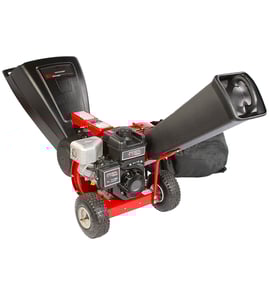
A chipper is built to cut thicker, woody branches into consistent wood chips using a blade-and-flywheel cutting action. A chipper shredder does that same chipping job but also breaks down lighter yard debris (leaves, twigs, garden waste) into finer mulch, which is why it is the more versatile choice for a Troybilt 47279 chipper/shredder.
Quick comparison
| Feature | Chipper | Chipper shredder |
|---|---|---|
| Best for | Branches and woody limbs | Branches plus leaves and mixed yard waste |
| Output | Coarser, uniform chips | Chips plus finer shredded mulch |
| Cutting system | Knife blades on a flywheel or drum | Chipping knives plus shredding flails or hammers |
| Feed style | Typically one main chute | Often separate chutes or feed areas |
How to choose for your yard
- Choose a chipper if most of your cleanup is pruning and storm limbs.
- Choose a chipper shredder if you want one machine for branches plus seasonal leaf cleanup.
- If you compost, shredded material breaks down faster and packs better.
- If you mulch beds, chips last longer and resist blowing away.
- If you routinely process mixed debris, a chipper shredder reduces the need to sort material.
Why it matters
A chipper and a chipper shredder can look similar, but they handle material differently. Matching the machine to what you feed it helps prevent clogs, reduces strain on the cutting components, and gives you the mulch or chips you actually want.
Parts and maintenance note
Keeping cutting components sharp and the discharge path clear makes the biggest difference in performance for a Troybilt chipper/shredder. For replacement parts and diagrams for model 47279, start with the model parts list, or search by model number on Sears PartsDirect.
Last updated: February 2026
What are the common problems with chipper machines?
The most common problems we see with chipper machines like the Troybilt 47279 are jamming, poor chipping from dull or mis-set cutting components, drive issues (belt or pulley slip), and engine problems (hard starting, stalling). Most of these trace back to material choice, feed technique, and routine maintenance.
Most common chipper/shredder issues
- Frequent jams: caused by overfeeding, crooked branches, vines, wet leaves, or feeding material larger than the machine is designed to handle.
- Poor chip quality (dust, slivers, stringy output): usually dull blades, damaged flails, or incorrect clearance between the cutter and anvil.
- Low throughput: partially clogged discharge chute, worn cutting edges, or engine not reaching full speed.
- Excessive vibration: loose fasteners, damaged rotor, bent flails, or debris wrapped around the shaft.
- Belt or drive problems: belt glazing, cracking, misalignment, or a seized bearing increasing drag.
- Hard starting or stalling: stale fuel, dirty air filter, fouled spark plug, or carburetor varnish.
Quick checks we recommend before you tear into repairs
- Shut the machine off, remove the key (if equipped), and let all moving parts stop.
- Clear the chute and inspect the cutting chamber for packed debris.
- Check fasteners, guards, and the discharge deflector for looseness.
- Inspect the belt area for rubber dust, glazing, or misalignment.
- Verify basic engine items: fuel quality, oil level, air filter condition, spark plug condition.
Symptom-to-cause guide
| Symptom | Most likely cause | What to do first |
|---|---|---|
| Jams constantly | Overfeeding, wet/stringy material | Feed smaller, drier batches; clear chute |
| Chips look like dust | Dull blade or clearance issue | Inspect cutting edges; adjust/replace as needed |
| Vibrates a lot | Loose hardware or damaged rotating parts | Tighten hardware; inspect rotor/flails |
| Starts then dies | Fuel/air restriction | Replace fuel; clean/replace air filter |
Why it matters
A chipper/shredder depends on correct cutter condition and steady engine speed. When blades are dull or the drive system slips, the machine pulls harder, jams more often, and wears bearings, belts, and cutting parts faster.
Parts and diagrams help
For model-specific diagrams and replacement parts for the Troybilt 47279, start with the parts list for this model, or search by model number on Sears PartsDirect.
Last updated: February 2026
What is the best homeowner wood chipper?
For most homeowners, the best wood chipper is a gas-powered unit that matches your typical branch size (commonly 2 to 3 inches), has a simple feed design, and is easy to maintain. For Troybilt model 47279, the “best” choice is the one that fits your yard volume, storage space, and service needs, and you can use Sears PartsDirect to compare options by model.
How we recommend choosing the right homeowner chipper
A “best” chipper depends on what you actually feed it and how often you use it.
- Max branch diameter: Choose a chipper rated for your typical material (do not size it only for rare, maximum branches).
- Engine type: Gas models handle heavier, frequent chipping; electric models fit light, occasional cleanup.
- Feed style: Gravity feed is simpler; self-feeding designs reduce pushing and kickback risk.
- Knife access: Easier access means you will sharpen or replace blades on schedule.
- Portability: Look at wheel size and balance if you move it over grass or gravel.
- Noise and debris control: Plan for hearing protection and a safe discharge direction.
Quick comparison: common homeowner chipper types
| Type | Best for | Typical capacity | Tradeoffs |
|---|---|---|---|
| Electric chipper/shredder | Small yards, light brush | Often up to ~1.5 in | Limited power; cord management |
| Gas homeowner chipper | Regular seasonal cleanup | Commonly ~2 to 3 in | More maintenance; louder |
| Towable heavy-duty chipper | Large properties, frequent use | Often 3 in+ | Higher cost; more storage space |
What to check before you buy (or replace a unit)
These checks prevent most “wrong machine for the job” problems.
- Measure the diameter of what you chip most often.
- Estimate volume per session (a few branches vs. multiple piles).
- Confirm you have a safe work area with stable footing and clear discharge.
- Plan routine maintenance: oil changes, air filter service, spark plug checks, blade care.
- Verify parts availability by searching your exact model number (for example, 47279).
Why it matters
Oversizing wastes money and storage space; undersizing leads to jams, slow feeding, and premature blade wear. Matching capacity and maintenance needs to your yard is what makes a chipper feel “best” long-term.
Last updated: February 2026
Can a wood chipper be turned into a leaf vacuum?
A Troybilt 47279 chipper/shredder can only be used as a leaf vacuum if it is built with a vacuum inlet and bagging or vacuum-collection provisions; a standard gravity-fed chipper/shredder does not create the controlled suction a leaf vacuum needs. Use the model number to confirm the correct configuration before buying accessories.
What makes a chipper able to “vacuum” leaves
A true leaf-vac setup requires an engineered airflow path and connection points, not just a hose.
Look for these features on the machine:
- A dedicated vacuum inlet port on the housing (with a cover when not used)
- A matching intake adapter or flange that seals tightly
- A collection bag, discharge adapter, or vacuum-capable chute
- A design that routes airflow through the shredding chamber for pickup
- Clear mounting points for clamps, brackets, or a bag frame
Safe, practical options if your unit is not vacuum-capable
If the 47279 is a chipper/shredder-only design, the reliable approach is to collect leaves separately and feed them into the shredder.
Best practices:
- Rake or blow leaves into piles, then feed small amounts to avoid clogging
- Keep material dry; wet leaves pack and stall airflow
- Avoid sticks larger than the rated capacity for the chute
- Use a tarp to stage debris and reduce handling
- Stop the engine before clearing jams or reaching into any opening
Quick comparison
| Setup | What it’s good for | What to expect |
|---|---|---|
| Vacuum-capable chipper/vac | Picking up leaves from beds and edges | Uses a sealed inlet, hose, and bagging system |
| Chipper/shredder-only | Reducing volume after you collect leaves | No suction; you feed material into the hopper/chute |
Why it matters
Improvised vacuum conversions can leak air, clog constantly, and overload the impeller with wet leaves and twigs. Using the machine as designed protects the housing, impeller, and engine and gives consistent performance.
Finding the right parts and accessories
Start with the parts list for Troybilt model 47279; if you need to search more broadly by model number, use Sears PartsDirect. For model identification tips, see how to find your appliance model number (and what it means for parts).
Last updated: February 2026