Owner’s manual
 View engine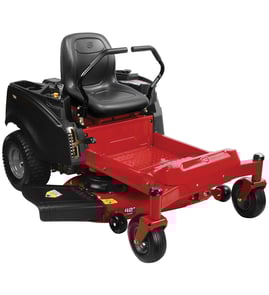



How do I tell what year my Craftsman riding mower is?
To estimate the build year of your Craftsman rear-engine riding mower model 247250610, we use the model/serial tag and the serial-number date code. The exact format can vary by production run, so the most reliable method is matching the serial pattern shown in your 247250610 owner’s manual.
Where to find the model and serial number tag
On most Craftsman rear-engine riders, the product identification label is typically in one of these spots:
- Under the seat pan (lift the seat)
- On the rear frame near the hitch plate
- On the fender pan near the seat
- Under the hood area (less common on rear-engine riders)
How to decode the year from the serial number
For many Craftsman riding mowers, the serial number includes a date code. A common pattern is:
- First two digits: month
- Next two digits: day
- Next two digits: year (last two digits)
Example: 071294 can be read as July 12, 1994.
Quick decode table
| Serial date code example | Month | Day | Year |
|---|---|---|---|
| 071294 | 07 | 12 | 1994 |
| 032105 | 03 | 21 | 2005 |
If your serial number does not match that pattern
Model 247250610 may use a different serial format depending on the manufacturer and production period. If the first 6 digits do not look like a date:
- Look for a separate date or DOM field on the label
- Check for a week/year style code (common on some outdoor power equipment)
- Use the manual’s identification section to confirm the correct interpretation
Why it matters
Knowing the year helps us match the correct parts and diagrams for your mower, especially for items that change over time like decals, throttle controls, and drivetrain components.
If you are replacing a label or decal after confirming your mower’s configuration, match it by part ID, for example the throttle label 777I23134.
Last updated: January 2026
How much does it cost to replace a riding mower engine?
For the Craftsman 247250610 rear-engine riding mower, the exact engine-replacement cost depends on the specific engine used on your unit and whether you DIY or hire service; as a practical planning range, most full engine replacements land in the $600 to $2,000+ range (parts plus labor).
What drives the total cost
Engine replacement pricing varies because the “engine” cost is only part of the job.
- Engine price (new vs. rebuilt, horsepower, crankshaft type, brand)
- Labor time (shop rates and how much teardown is required)
- Extra parts often replaced at the same time (belts, pulleys, cables, fuel line)
- Shipping and core charges (common with rebuilt engines)
- Tune-up vs. replacement (sometimes a carburetor or ignition repair is enough)
Typical cost breakdown (planning numbers)
| Cost item | Typical range | Notes |
|---|---|---|
| Replacement engine | $400 to $1,500+ | Biggest variable; match crankshaft size and mounting pattern |
| Labor (if serviced) | $200 to $700+ | Depends on shop rate and mower condition |
| Misc. parts/fluids | $25 to $200 | Oil, filter, clamps, belts, hardware |
Model-specific tips for Craftsman 247250610
We cannot identify the exact replacement engine price for 247250610 from the model information provided here because compatible engines vary by the engine’s specification (shaft diameter/length, keyway, PTO setup, and mounting). Use the diagrams and specs in the Craftsman 247250610 owner’s manual to confirm what you have before ordering.
- Verify engine model/spec number from the engine label
- Measure crankshaft diameter and length (critical for pulley alignment)
- Confirm PTO/pulley setup and bolt pattern
- Check throttle/choke linkage routing; a worn cable like the lawn tractor throttle cable 746P04539 can mimic engine problems
Why it matters
An engine that is “close” but not an exact match can create belt misalignment, vibration, or unsafe operation. Confirming the engine spec first helps you avoid repeat labor and return hassles.
Last updated: January 2026
Is it worth replacing a lawn mower engine?
Replacing the engine on a Craftsman rear-engine riding mower model 247250610 is worth it when the rest of the mower (deck, steering, frame, and transaxle) is in good shape and the total repair cost stays under about half the price of a comparable replacement mower. If multiple major systems are worn out, replacement usually makes more sense.
Quick decision checklist
- The mower deck is solid (no major rust-through or cracks)
- Steering and brakes feel tight and controllable
- The transaxle drives smoothly (no slipping, grinding, or loud whining)
- You can confirm the correct engine spec and mounting details in the 247250610 owner’s manual
- You are not also facing big add-on repairs (tires, spindles, wiring, battery)
Cost and value guide
Use this as a practical rule-of-thumb for model 247250610.
| What you’re facing | Typical recommendation | Why |
|---|---|---|
| Engine failure only; mower otherwise solid | Replace engine | You keep a known-good chassis and deck |
| Engine plus drive issues (slipping, noisy transaxle) | Consider replacing mower | Two major repairs can exceed the mower’s value |
| Unknown history; heavy rust or multiple worn systems | Consider replacing mower | Reliability after repair is usually poor |
Before you commit to an engine
Even on the same model number, engine variants can differ by spec and mounting. We recommend verifying these items first:
- Crankshaft diameter and length
- PTO shaft type (if applicable)
- Bolt pattern and engine base footprint
- Throttle/choke cable routing and linkage style
- Charging system output and wiring connector style
Why it matters
An engine swap is one of the highest-cost repairs on a riding mower. Confirming fit and avoiding “extra” repairs (like drive cooling issues) helps you spend money once and get dependable mowing performance.
Last updated: January 2026
What are the common problems with Craftsman lawn mowers?
Common problems we see on the Craftsman 247250610 rear-engine riding mower include hard starting or no-start, rough running, poor cutting quality, drive issues (won’t move or slips), and control problems such as a sticking throttle. Your Craftsman 247250610 owner’s manual is the best place to confirm the correct operating and maintenance steps for this exact model.
Most common symptoms and what they usually point to
- Won’t start or starts then dies: stale fuel, dirty carburetor, clogged fuel cap vent, weak battery, or a safety switch issue
- Runs rough or surges: dirty fuel system, air restriction, or throttle/governor linkage problems
- Cuts uneven or leaves strips: dull/bent blade, deck buildup, incorrect deck leveling, or worn bearings
- Vibration: damaged blade, debris wrapped on spindles, or worn bearings
- Won’t move or loses drive: belt/pulley wear, transaxle cooling fan damage, or linkage adjustment
Model-specific parts that commonly relate to these issues
For the 247250610, these model-matched parts are often involved when diagnosing control or drive complaints:
- Lawn tractor throttle cable 746P04539 (helps restore smooth throttle control if the cable binds or won’t hold position)
- Lawn tractor transaxle fan and pulley kit 72134 (helps protect the transaxle from overheating and supports consistent drive performance)
Quick checks we recommend before replacing parts
- Use fresh fuel and confirm the correct fuel type for your engine.
- Inspect the throttle control for binding and verify full travel from idle to fast.
- Clean packed grass from the deck and check blade condition.
- Check for loose hardware and obvious belt damage.
- If drive fades after warming up, inspect the transaxle fan area for damage or missing pieces.
Why it matters
Catching early signs like surging, uneven cutting, or slipping drive helps prevent bigger failures (deck damage, premature belt wear, and transaxle overheating) and keeps your Craftsman mower cutting safely and consistently.
| Symptom | Most likely area | First action |
|---|---|---|
| No-start | Fuel, battery, safety interlocks | Fresh fuel, charge battery, verify switches |
| Uneven cut | Deck setup, blade, bearings | Clean/level deck, inspect blade and bearings |
| Won’t move | Belt/pulleys, transaxle cooling | Inspect belt path and transaxle fan |
Last updated: January 2026
What brand engine does Craftsman use?
Craftsman uses engines from multiple manufacturers, and the exact engine brand on model 247250610 is identified by the engine’s own ID tag and the specifications listed in the Craftsman 247250610 owner’s manual. In general, Craftsman riding mowers commonly use Briggs & Stratton, Kohler, or other small-engine brands depending on the production run.
How to identify the engine brand on model 247250610
Check the engine itself, not just the mower hood decal.
- Look for the engine ID label on the blower housing, valve cover, or near the starter
- Record the engine model, type, and code (or spec number)
- Match that information to the engine manufacturer’s lookup tools or service literature
- Use the manual’s specs section to confirm the correct engine family for your mower
- If the label is missing, use the mower’s product ID and serial information to narrow it down
Why Craftsman engines vary by model and year
Craftsman is the equipment brand; the engine is often sourced from a separate engine maker. The same mower model family can be built with different engines across production runs, so the engine tag is the most reliable identifier.
If you are troubleshooting or ordering engine-related parts
For model 247250610, we recommend confirming the engine ID before buying tune-up or fuel-system parts (air filter, spark plug, carburetor parts), because those parts are typically engine-brand specific.
| What you have | What it tells you | What to do next |
|---|---|---|
| Mower model number: 247250610 | Identifies the mower platform | Use it to find chassis and mower-specific parts |
| Engine model/type/code | Identifies the engine manufacturer and build | Use it to find engine-specific parts |
Why it matters
Using the correct engine brand and engine code prevents ordering the wrong maintenance parts and helps you get accurate torque specs, oil type, and tune-up intervals.
Last updated: January 2026
What kind of engine does a Craftsman riding lawn mower have?
For Craftsman rear-engine riding mower model 247250610, the exact engine make and model cannot be identified from the model-specific information we have here. Many Craftsman riding mowers in this class use a single-cylinder gasoline engine; we recommend confirming the engine details on the engine shroud or in the 247250610 owner’s manual.
How to identify the engine on model 247250610
Use these quick checks to get the correct engine type and service parts:
- Look for the engine ID label on the blower housing (often shows model, type, and code).
- Check the valve cover or recoil housing for a brand badge (commonly Briggs & Stratton, Kohler, or similar).
- Record the full engine model and code exactly as printed.
- Compare what you find to the specifications section in the 247250610 owner’s manual.
- If you are servicing fuel-related items, verify the fuel guidance decals such as the lawn tractor e85 fuel decal 777X43688.
What “kind of engine” usually means (and what to look for)
Most customers are trying to confirm one of these details:
| Detail you need | Where to find it | Why it matters |
|---|---|---|
| Engine brand and model | Engine ID label | Ensures correct tune-up and gasket parts |
| Horsepower class | Engine label or manual | Helps match performance expectations |
| Single-cylinder vs. V-twin | Visual inspection (1 vs. 2 valve covers) | Affects maintenance parts and procedures |
| Fuel type | Manual and decals | Prevents hard starting and fuel-system damage |
Why it matters
Engine identification is the fastest way to avoid ordering the wrong ignition, carburetor, or maintenance parts. Craftsman model numbers identify the mower chassis; the engine can vary by production run, so the engine label is the most reliable source.
Last updated: January 2026
Where to find model number on riding mower?
On the Craftsman riding mower model 247250610, the model number is typically printed on an ID label located under the seat pan or on the rear frame area. If the label is dirty or worn, cleaning the surface often makes the numbers readable again; see the 247250610 owner’s manual.
Common places to check on this Craftsman mower
Look for a sticker or metal tag in these spots (check with a flashlight):
- Underside of the seat pan (lift the seat)
- Rear of the frame cover, between the rear wheels
- Right or left side of the frame near the engine compartment
- Near the starter housing or recoil starter area (if equipped)
- On or near the cutting deck (often rear-left area)
Quick tips to read the label
- Wipe off grass dust and oil with a damp rag; avoid soaking the label
- Use a flashlight at an angle to highlight faint printing
- Take a photo and zoom in to read small characters
- Write down the full model number and any serial number shown
Why it matters
We use the exact model number to match the correct diagrams and compatible parts (belts, cables, decals, and transaxle components). Even small model-number differences can change the correct replacement part.
What the model label usually looks like
| What you may see | What it’s used for |
|---|---|
| Model number (example: 247250610) | Identifies the exact mower version |
| Serial number | Helps date and track production |
| Engine info (sometimes separate) | Used for engine-specific parts |
Last updated: January 2026