- Kenmore refrigerator water filters
- Whirlpool refrigerator water filters
- Samsung refrigerator water filters
- GE refrigerator water filters
- LG refrigerator water filters
- Frigidaire refrigerator water filters
- KitchenAid refrigerator water filters
- Maytag refrigerator water filters
- Kenmore Elite refrigerator water filters
- Estate refrigerator water filters
- GE Profile refrigerator water filters
- Amana refrigerator water filters
- Bosch refrigerator water filters
- Dacor refrigerator water filters
- Electrolux refrigerator water filters
Top DIY repair help
View All Repair Categories
Appliances
Lawn & Garden
Power Tools
Home Improvement
Sports & Leisure
Heating & Cooling
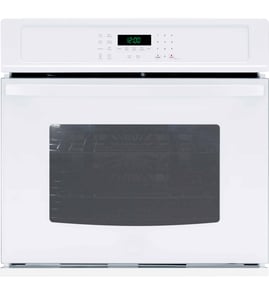
KitchenAid Wall oven Parts — Browse All Models
Finding the right KitchenAid wall oven parts is simple with Sears PartsDirect. Enter your model number in the search bar or browse our list of KitchenAid wall ovens to access detailed diagrams and OEM components that match your exact appliance. You can quickly locate the parts you need to fix heating failures, electrical issues or door problems. If you want to narrow down the issue before you order, our DIY wall oven repair help page walks you through common wall oven symptoms, how to troubleshoot them, and how to fix them.


KitchenAid KEBI140SBL0 electric range
 Error Codes
KitchenAid KEBI170SBL0 electric range
KitchenAid KEBI270SBL0 electric range

 Owner’s manual
Frequently bought KitchenAid parts
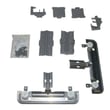
Dishrack Adjuster Kit - Dishwasher Rack Component By Whirlpool
In Stock
$40.47
13% OFF Phone Price : $46.47

Qty

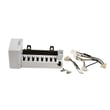
Ice Maker Assembly - Refrigerator Ice Maker By Whirlpool
In Stock
$118.89
9% OFF Phone Price : $130.89
Qty
Whirlpool Refrigerator Ice Maker Assembly
In Stock
$105.13
10% OFF Phone Price : $117.13
Qty
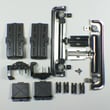
Dishrack Adjuster Kit (w10712394) - Dishwasher Rack Component By Whirlpool
In Stock
$38.64
13% OFF Phone Price : $44.64
Qty
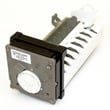
Whirlpool Refrigerator Ice Maker (d7824706q)
In Stock
$98.80
11% OFF Phone Price : $110.80
Qty
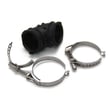
Dishwasher Circulation Pump-to-sump Hose
In Stock
$47.21
11% OFF Phone Price : $53.21
Qty
Popular maintenance items for Wall Ovens
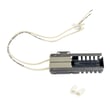
Frigidaire Range Oven Burner Igniter
In Stock
$21.50
22% OFF Phone Price : $27.50
Qty
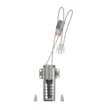
G.e. Range Oven Burner Igniter
In Stock
$59.63
9% OFF Phone Price : $65.63
Qty
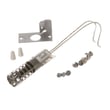
G.e. Kenmore Range Oven Burner Igniter
In Stock
$83.29
7% OFF Phone Price : $89.29
Qty
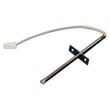
Frigidaire Range Oven Temperature Sensor
In Stock
$47.72
19% OFF Was : $58.60
Qty
Dishwasher Door Seal, Lower
In Stock
$27.61
18% OFF Phone Price : $33.61
Qty
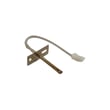
Wall Oven Temperature Sensor
In Stock
$24.59
20% OFF Phone Price : $30.59
Qty
Troubleshooting common KitchenAid wall oven problems
KitchenAid wall ovens are known for steady performance and even heat, but electrical load, heat cycles and moving parts can lead to issues over time. These examples show symptoms frequently reported by owners and what typically causes them.
Oven does not maintain temperature
If the oven begins heating normally but then struggles to stay hot, the temperature may be lower than the set point. Temperature sensors that drift out of range or worn door seals that allow heat loss can cause long cook times or uneven baking.
Display works but oven will not turn on
When the control panel lights up but the oven still will not heat, internal relays or a tripped thermal fuse may be preventing voltage from reaching the elements. Wiring failures can also interrupt power even though the display appears normal.
Oven light stays on constantly
If the interior light remains on, even when the door is closed, a stuck door switch or faulty wiring may be involved. This can also prevent self-clean cycles from starting if the oven believes the door is open.
Self-clean will not complete
If the oven starts self-cleaning but stops partway through, overheating may be tripping the thermal fuse or switch. Airflow restrictions, a weakened cooling fan or a failing sensor can cause the oven to shut down mid-cycle.
Convection bake not circulating heat
When convection mode runs but the food does not brown evenly, the convection fan motor may be weak or stalled. This affects circulation and can lead to hot and cold spots during baking.
Commonly replaced KitchenAid wall oven parts
KitchenAid wall ovens use precise sensors, robust heating elements and complex controls, which means a few components tend to wear out faster with regular use. These parts are commonly replaced.
- Broil element: Provides intense upper heat. A worn element prevents proper broiling.
- Control thermostat: Helps regulate heating cycles. When worn, it can cause temperature fluctuations.
- Thermal fuse: Protects the oven by cutting power during overheating. A blown fuse stops the oven from running.
- Door hinges: Support smooth door movement and proper sealing. Worn hinges lead to sagging or heat loss.
- Oven relay: Controls voltage to major components. A weak relay may cause intermittent heating or random shutdowns.
Why use Sears PartsDirect for your KitchenAid wall oven parts
Sears PartsDirect carries OEM KitchenAid components designed for an exact fit, reliable heating and long-term durability. With model-specific diagrams and compatibility filters, you can confirm you are ordering the correct replacement. Genuine parts help maintain accurate temperature performance and consistent cooking results.
KitchenAid wall oven FAQs
Why does my KitchenAid wall oven take a long time to preheat?
Slow preheating can be caused by a weakened bake element or a drifting temperature sensor. Replacing the sensor normally improves heat-up speed.
Why is my oven fan running after the oven is off?
KitchenAid models often run the cooling fan until internal temperatures drop. If the fan runs unusually long, airflow may be limited or the fan motor may be weakening.
Why does my oven make clicking noises during use?
Clicking sounds are often normal relay operation, but repeated or rapid clicking may indicate worn relays or a control board that is struggling to regulate heat.
Why does my KitchenAid oven produce steam around the door?
A small amount of steam can be normal during high-moisture cooking. Excessive steam may indicate a worn door seal that is no longer keeping moisture inside the oven cavity.
Why does my wall oven smell like burning during baking?
Burning odors can come from residue on elements, grease buildup or components overheating. Cleaning the oven and inspecting heating elements usually helps identify the source.
Parts & More
Bottom-Mount Refrigerator
Carpet Cleaner
Front-Engine Lawn Tractor
Gas Leaf Blower
Gas Walk-Behind Mower
Laundry Center
Parts
Range
Rear-Engine Riding Mower
Sewing Machine
Side-By-Side Refrigerator
Weight System
Welder