Owner’s manual
 View engine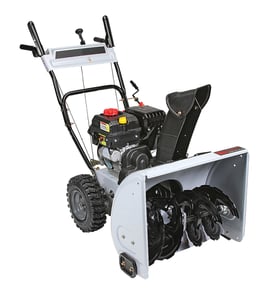


Can I use 5W30 instead of SAE 30 in my snowblower?
Yes. For Craftsman model 247887900, the operator’s manual specifies SAE 5W-30 engine oil (26 oz capacity), so using 5W-30 is not just acceptable, it is the recommended oil for this snowblower; see the 247887900 operator's manual.
What to use in cold weather (and why)
Snowblower engines are started and run in low temperatures, so oil flow at startup matters.
- 5W-30 flows better during cold starts than straight-weight SAE 30
- Better cold flow can mean easier starting and less wear right after startup
- Once warm, 5W-30 still provides the protection your engine needs
- Stick with 4-cycle engine oil (not 2-cycle mix)
- Use the correct amount; overfilling can cause smoking and running issues
Quick comparison: 5W-30 vs SAE 30
| Oil type | Cold starting | Typical snowblower use | Best choice for 247887900? |
|---|---|---|---|
| 5W-30 | Better | Cold weather operation | Yes |
| SAE 30 | Worse | Warmer weather equipment | No |
How to avoid oil-related problems
We recommend these basics any time you change or top off oil:
- Check oil level with the machine upright and level
- Add oil slowly and recheck the dipstick to avoid overfilling
- Change oil on schedule (after the first break-in period, then regularly)
- Keep the gas cap tight and clean up spills before starting
- If the unit is hard to start or surges, confirm you did not use the wrong oil type
Why it matters
Using the oil grade specified for Craftsman 247887900 helps the engine lubricate quickly in freezing temperatures, which supports reliable starting and reduces internal wear during the most critical moments: the first seconds after startup.
Last updated: January 2026
How many years should a snowblower last?
A Craftsman gas snowblower like model 247887900 should last 15 to 20 years with normal residential use and consistent maintenance; neglected fuel care, skipped lubrication, and heavy wet-snow use can shorten life closer to 10 years.
What most affects lifespan on model 247887900
- Off-season fuel storage: stale fuel and varnish are a top cause of hard starting and carburetor issues.
- Oil changes: this model specifies regular oil checks and scheduled oil changes.
- Wear items: skid shoes, shave plate, belts, and shear pins wear out by design.
- Corrosion control: rust on the auger housing, chute, and fasteners accelerates failures.
- Operating habits: hitting ice chunks, gravel, or newspapers can shear pins and stress the auger/drive system.
Maintenance targets that help you reach 15 to 20 years
Use the schedule and procedures in the 247887900 operator’s manual and stay consistent with these basics:
- Change engine oil on schedule (including after the first break-in period).
- Use fresh gasoline; treat fuel for storage and run the engine long enough to circulate stabilizer.
- Keep the auger area clean; never clear a clogged chute by hand.
- Inspect belts for glazing, cracking, or slipping; replace when worn.
- Lubricate key points at least seasonally (axles, hex shaft area, auger shaft points as applicable).
Typical lifespan expectations (quick guide)
| Snowblower type | Typical lifespan | What usually ends it first |
|---|---|---|
| Gas (like 247887900) | 15 to 20 years | Fuel system issues, drive wear, rust |
| Corded electric | 10 to 15 years | Switch/motor wear, corrosion |
| Battery | 10 to 15 years | Battery pack replacement need |
Why it matters
A longer lifespan usually comes from preventing the two most expensive headaches: fuel-system problems from stale gas and drive/auger wear from running with loose or damaged belts. Replacing normal wear parts early is cheaper than repairing secondary damage.
Last updated: January 2026
Where is the serial number on a snowblower?
On the Craftsman snow thrower model 247887900, the serial number is typically printed on an ID label (often called the model/serial tag) mounted on the unit’s frame or rear area. Use that serial number along with the model number when looking up compatible parts and manuals like the 247887900 operator's manual.
Common places to check on model 247887900
Look for a sticker or metal tag in these spots (check with a flashlight and wipe off packed snow or grime):
- Rear of the unit near the handles or lower handle frame
- Back of the auger housing (rear-facing side of the front bucket)
- Side of the frame near the wheels or axle area
- Near the engine base plate or engine mounting area
- Under or behind the dash/handle panel area
What the label usually includes (and what to write down)
For parts lookup and service, we recommend recording these items exactly as shown:
- Model number (for this unit: 247887900)
- Serial number (unique to your specific snowblower)
- Date of purchase (helpful for maintenance records)
| Item | What it’s used for | Example format |
|---|---|---|
| Model number | Identifies the correct parts diagrams and lists | 247887900 |
| Serial number | Identifies your exact production run | Letters/numbers |
| Product label location | Helps you find it again later | Rear frame, engine area |
Why it matters
Snowblower parts can vary by production run even within the same model family. Having the serial number helps us narrow down the correct Craftsman parts, hardware, and maintenance items for your exact 247887900 unit.
Quick tip if you are replacing a drive component
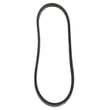
If you are troubleshooting slipping or no auger drive, match the belt by model and part listing; for this model, one compatible listing is the belt 256963.
Last updated: January 2026
How to tell if a snowblower auger belt is bad?
On the Craftsman 247887900 snow thrower, a bad auger belt typically shows visible wear (cracks, fraying, glazing) or causes symptoms like the augers not turning, weak snow throwing, belt squeal, or a hot rubber smell. Confirm by inspecting belt condition and checking auger engagement and cable adjustment.
Quick signs the auger belt is failing
- Cracks, frayed cords, missing chunks, or a shiny glazed surface on the belt
- Augers stop under load, turn slowly, or do not turn at all
- Snow discharge is weak even with the engine running at FAST
- Squealing, chirping, or slipping noises when you squeeze the auger control
- Burning rubber smell after engaging the auger
How we check it on model 247887900
Use the steps and diagrams in the 247887900 operator’s manual to access the belt cover and verify auger operation.
- Shut the engine off, remove the ignition key, and let all moving parts stop
- Remove the front belt cover and inspect the belt for wear and glazing
- Engage the auger control and confirm the augers fully stop when released (a safety check)
- If the belt looks OK but still slips, check auger control cable slack and adjustment
Belt condition vs. adjustment (what it usually means)
| What you notice | Most likely cause | What to do next |
|---|---|---|
| Belt looks shiny and slips | Belt glazing from heat/slip | Replace the belt |
| Belt is cracked/frayed | Age and wear | Replace the belt |
| Belt looks OK but auger slips | Cable out of adjustment or belt stretched | Adjust cable; replace if still slipping |
| Augers will not turn at all | Belt broken or off pulley (or shear pins) | Inspect belt path; check shear pins |
If you need a replacement belt
For this model, match the replacement to the correct auger belt specification; a compatible option listed for this model is the belt 256963.
Why it matters
A slipping auger belt reduces throwing distance and can overheat, which accelerates wear on the belt, pulleys, and idler components. Catching belt wear early helps prevent sudden loss of snow-throwing performance mid-storm.
Last updated: January 2026