Owner’s manual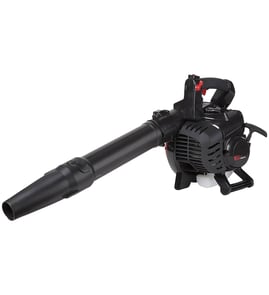





What is the problem with gas-powered leaf blowers?
Gas-powered leaf blowers (including the Craftsman 358797922) can create high noise and exhaust emissions, and they can also stir up dust and debris during use. The best way to reduce the downsides is to operate and maintain the blower correctly using the fuel, safety, and maintenance guidance in the 358797922 operator's manual.
Common issues people notice
- Loud operating noise, especially at higher RPM
- Exhaust smell and visible smoke (often tied to fuel mix or maintenance)
- Dust and allergens kicked up while blowing dry debris
- Vibration and operator fatigue during longer jobs
- Higher routine maintenance needs than many electric blowers (air filter, spark plug, fuel system)
What you can do to reduce the impact (practical steps)
For the Craftsman 358797922, these steps typically make the biggest difference:
- Use fresh, properly mixed 2-cycle fuel; old fuel can cause hard starting and poor running
- Keep the air filter clean; a dirty filter can increase fuel use and reduce performance
- Avoid blowing in extremely dusty conditions; wear eye protection and a mask/respirator when needed
- Aim airflow low and away from people, pets, cars, and windows to limit debris blowback
- Do not run the unit without the correct tubes attached (blower tube for blowing, vacuum tubes and bag for vacuuming)
Maintenance items that often affect smoke, smell, and performance
If your blower smokes, runs rough, or seems to use more fuel than expected, these are common areas to check.
| Symptom | Common cause | What to check first |
|---|---|---|
| Excessive smoke | Fuel mix too oily, dirty air filter | Fuel mix ratio, air filter condition |
| Runs rough / surges | Fuel delivery restriction | Fuel lines, tank venting, carburetor condition |
| Hard starting after storage | Old fuel, gummed carburetor | Drain/refresh fuel, carburetor service |
| Won’t shut off reliably | Faulty kill switch | Wiring and the switch 530069572 |
Why it matters
Reducing smoke, noise exposure, and airborne dust helps protect your lungs and hearing, improves neighbor-friendly operation, and also helps the Craftsman 358797922 run more reliably with fewer fuel-system problems.
Last updated: January 2026
Who makes the best gas-powered leaf blowers?
“Best” depends on what you value most (power, weight, noise, service support, or price). For a Craftsman gas blower like model 358797922, we recommend choosing a reputable brand with strong parts and service availability, then matching the blower’s CFM/MPH and comfort features to your yard size and typical debris.
What “best” usually means (and how to compare)
When we compare gas-powered leaf blowers, we look at a few practical factors that matter more than brand name alone:
- Performance: airflow (CFM) and air speed (MPH) for wet leaves and heavy debris
- Starting and drivability: consistent cold starts, stable idle, smooth throttle response
- Vibration and comfort: handle isolation, balance, and overall fatigue during longer jobs
- Serviceability: access to common wear items (fuel system parts, ignition parts)
- Total cost of ownership: fuel mix requirements, tune-up frequency, and parts pricing
For operating and maintenance basics that apply directly to Craftsman model 358797922, use the 358797922 operator’s manual.
Brand guidance (without overpromising one “winner”)
Across the market, the “best” brand is typically the one that fits your use case:
| Use case | What to prioritize | Typical best-fit brands (examples) |
|---|---|---|
| Small yards, occasional use | Easy starting, lighter weight | Value-focused homeowner brands |
| Heavy leaf season, larger lots | Higher CFM/MPH, durability | Pro-grade outdoor power brands |
| Mixed tasks (blow + vacuum) | Conversion design, bag/tube durability | Brands with strong combo units |
We do not recommend choosing solely by brand; compare specs and confirm parts support for the exact model you’re buying.
Why it matters for your Craftsman 358797922
Even a strong blower can feel “bad” if it is running poorly due to fuel or carburetion issues. The 358797922 is a 2-cycle unit; performance and reliability depend heavily on correct fuel mix and a clean fuel system.
If your current blower is hard to start or runs rough, these model-relevant parts are common culprits:
- Fuel tank assembly 530095646 if the tank, pickup, or related fuel delivery components are compromised
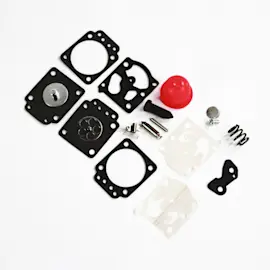
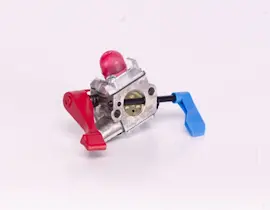
- Carburetor 530069844 when diaphragms or internal passages cause lean/rich running
- Switch 530069572 if the engine will not shut off or intermittently loses ignition
For maintenance habits that help any gas blower last longer, see easy steps for maintaining a leaf blower.
Last updated: January 2026
What is better, cfm or mph for a leaf blower?
For the Craftsman 358797922 gas blower, neither CFM nor MPH is automatically “better”; they describe different airflow traits. Craftsman does not publish CFM/MPH ratings in the model’s operator documentation, so we recommend choosing based on the cleanup task and using the correct tube/nozzle setup from the 358797922 operator’s manual.
What each rating tells you
- CFM (cubic feet per minute): how much air the blower moves
- MPH (miles per hour): how fast the air stream travels
- Higher CFM: moves more leaves across a wider path
- Higher MPH: delivers more “punch” to break loose stuck debris
- Best real-world performance: a balance of both, plus the right nozzle and technique
CFM vs. MPH at a glance
| Rating | Measures | Usually best for | Typical feel in use |
|---|---|---|---|
| CFM | Air volume | Dry leaves, large areas, building piles | Broad “push” that rolls debris |
| MPH | Air speed | Wet leaves, matted debris, cracks/edges | Focused blast that breaks debris loose |
How to choose for your yard
- Large lawn with lots of dry leaves: lean toward higher CFM
- Mulch beds, corners, and sidewalk cracks: lean toward higher MPH
- Mixed cleanup: prioritize a balanced spec set and good nozzle options
- If you vacuum with this unit: airflow matters, but keeping tubes clear matters just as much
Why it matters
If you shop by only one number, the blower can feel weak for your most common job. Matching CFM/MPH to your debris type reduces passes, saves fuel, and helps avoid overworking a 2-cycle engine.
Tips to get more performance from your 358797922
- Use the correct blower tube/nozzle configuration
- Work from edges toward the center to build manageable piles
- Angle airflow slightly down and to one side for control
- For wet debris, use short bursts and a tighter aim
Last updated: January 2026
What is the life expectancy of a gas leaf blower?
For the Craftsman gas blower model 358797922, Craftsman does not publish a specific “life expectancy” in years or hours. In real use, lifespan varies most with fuel care, air filtration, and storage habits; following the maintenance and fuel guidance in the 358797922 operator’s manual typically helps the blower last longer.
What we can say for model 358797922 (from the manual)
The operator’s manual emphasizes a few items that directly affect how long a 2-cycle blower keeps starting and running well:
- Use the correct 40:1 fuel mix (2-cycle oil and fresh unleaded gas)
- Avoid leaving fuel in the unit during storage (30 days or longer)
- Clean the air filter frequently (the manual notes after about 5 hours or 5 tanks, whichever comes first)
- Keep intake openings and tubes clear so airflow is not restricted
Practical lifespan drivers (applies to most 2-cycle blowers)
- Old fuel and ethanol moisture: leads to varnish and hard starting
- Dirty air filter: reduces performance and increases engine wear
- Incorrect oil ratio: too little oil can overheat and seize; too much can foul the spark plug
- Overheating from restricted airflow: debris buildup raises operating temps
- Storage habits: long storage with fuel in the carburetor is a common failure trigger
Quick “do this” checklist
- Mix only enough fuel for short-term use; keep it fresh
- Clean and lightly oil the air filter on schedule
- Inspect fuel lines and the fuel cap for cracks or leaks
- Run the engine dry before long storage
- Address fuel delivery issues early; a clogged line can mimic carburetor failure
| What you do most | Typical result | What it prevents |
|---|---|---|
| Fresh 40:1 fuel, run dry for storage | More reliable starts | Carburetor varnish, stuck metering parts |
| Clean air filter regularly | Better power, less wear | Dirt ingestion, rich running |
| Keep vents and tubes clear | Cooler operation | Overheating, performance loss |
When parts replacement can extend service life
If the blower starts then stalls, runs lean, or leaks fuel, fuel delivery is often the first place to check. Replacing cracked fuel lines is a common fix; see line kit 530069247.
Why it matters
Most “worn out” gas blowers are actually suffering from fuel-system contamination or restricted airflow. Preventing those issues costs little and usually delivers the biggest improvement in starting, power, and longevity.
Last updated: January 2026