
Can you cut a 4x4 with a 10-inch table saw?
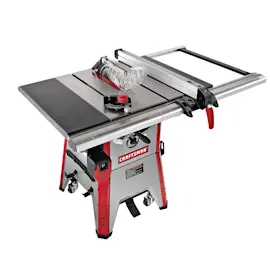
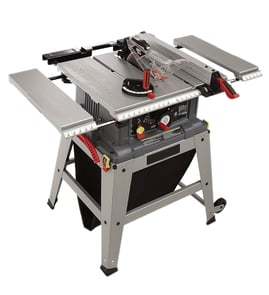
Yes. With a Ryobi BT3000 10-inch table saw, you can cut a nominal 4x4 (about 3-1/2 inches thick) in a single pass when the blade is set to full height at 90 degrees; use a stable setup and proper safety controls to prevent binding and kickback.
How to set up for a clean, safe cut
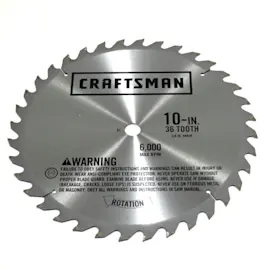
- Use a sharp blade suited to the cut (rip blade for ripping, combination blade for general work).
- Set blade height so the gullets clear the top of the wood (typically 1/4 to 1/2 inch above the stock).
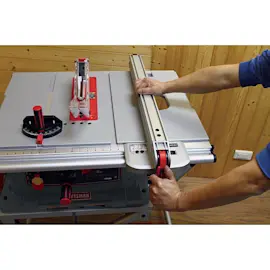
- Keep the fence parallel to the blade; misalignment increases burn marks and kickback risk.
- Use the splitter/riving knife and blade guard when the cut allows.
- Support long stock with outfeed support; do not let the 4x4 tip or twist.
- Stand slightly to the side of the blade path and use a push stick/push block as needed.
One pass vs two passes (what to expect)
On the BT3000, a full-height 10-inch blade at 90 degrees provides enough depth to cut through a 3-1/2 inch 4x4 in one pass. Two passes are only needed if your blade height is limited, the blade is smaller than 10 inches, or the stock is thicker than nominal.
| Scenario | Result | What we recommend |
|---|---|---|
| BT3000, blade at full height, 90 degrees | Cuts through a nominal 4x4 in one pass | Use steady feed and full support |
| Blade not fully raised or blade is worn/smaller | May leave an uncut strip | Raise blade, replace blade if needed |
| Wet, twisted, or knotty 4x4 | Higher chance of binding/burning | Slow feed, verify fence alignment |
If the cut bogs down or burns
- Clean/replace the blade; pitch buildup and dull teeth overload the motor.
- Reduce feed rate; forcing the cut increases heat and kickback risk.
- Check for stock pinch; internal stress in construction lumber can close the kerf.
- If cuts are not square, follow how to adjust a table saw blade.
Why it matters
A 4x4 is heavy stock; good alignment, blade condition, and support keep the cut straight and reduce the chance of kickback while protecting the BT3000 motor.
For replacement parts and accessories for your Ryobi BT3000, use the model-based parts list or search by model number on Sears PartsDirect.
Last updated: February 2026
How do I get rid of an old table saw?
If your Ryobi BT3000 table saw still runs, the best way to get rid of it is to sell it or give it away; if it’s broken, dispose of it through metal recycling and e-waste channels, after making it safe by removing the blade and securing sharp edges. For parts lookup by model, use Sears PartsDirect.
Safe prep before disposal
- Unplug the saw and remove any extension cord.
- Remove the blade, throat plate, and any loose accessories (miter gauge, rip fence).
- Lower the blade fully and set bevel to 0° to reduce exposed sharp edges.
- Tape or wrap sharp metal edges (especially the blade) in cardboard.
- If the saw has any add-on electronics (switch box, aftermarket laser), treat those as e-waste.
Best disposal options (from most to least value)
- Sell or donate (working saw): Local pickup is usually easiest for a full-size table saw.
- Recycle as scrap metal (non-working saw): The stand, table, rails, and many brackets are recyclable metal.
- E-waste drop-off (motor, switch, wiring): Many communities route motors and electrical components through e-waste.
- Junk removal service: Useful if you cannot transport a heavy tool safely.
What goes where
| Saw component | Typical material | Best disposal route |
|---|---|---|
| Table, stand, rails | Steel/aluminum | Scrap metal recycling |
| Motor, switch, wiring | Mixed metal + electrical | E-waste collection |
| Blade | Steel/carbide tips | Scrap metal (wrapped for safety) |
| Plastic guards/covers | Plastic | Trash or local plastics program (if accepted) |
Why it matters
Disposing of a table saw the right way prevents injuries from sharp blades and keeps recyclable metal and electrical components out of the landfill. It also helps you avoid damage to vehicles and bins from heavy, awkward parts.
Last updated: February 2026
How much is the Ryobi BT3000 table saw?
Ryobi BT3000 table saw pricing varies widely because it’s an older model and is typically found used rather than sold new. Most used BT3000 saws commonly sell in the low hundreds of dollars, depending on condition, included accessories (rip fence, miter fence, rails), and local demand; you can also search by model on Sears PartsDirect for parts and diagrams.
Typical price ranges you’ll see
Used pricing usually falls into these buckets:
- $100 to $200: Runs but needs cleanup, missing accessories, worn blade, or needs alignment
- $200 to $400: Good working condition with standard accessories
- $400+: Very clean, well-maintained, includes extras (stands, jigs, spare blades), or recently serviced
| Condition | What’s included | Typical value impact |
|---|---|---|
| Needs work | Missing guard, fence issues, rough height/tilt adjustment | Lower |
| Ready to use | Fence, miter gauge, blade guard, smooth adjustments | Mid |
| Fully kitted | Extra rails, jigs, dado setup (if included), spare parts | Higher |
What changes the price the most
These items drive value more than the motor alone:
- Rip fence accuracy and smooth locking (a fence that won’t hold square lowers value fast)
- Blade height and bevel adjustment (binding or slipping suggests wear or pitch buildup)
- Arbor/blade runout and vibration (can indicate bearing or alignment issues)
- Safety parts present (blade guard, splitter/riving-style components if equipped)
- Overall table flatness and rail condition (damage affects cut quality)
Why it matters
A table saw that is out of alignment or missing key accessories can cost more in time and repair parts than the purchase price. If you’re comparing listings, prioritize a BT3000 that makes straight cuts and adjusts smoothly; tuning is normal, but major slop is not.
Helpful DIY reading
Last updated: February 2026