




How to replace line on Craftsman gas trimmer?
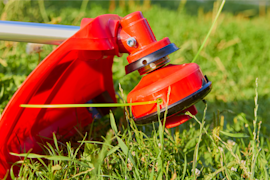
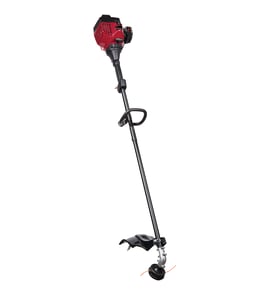
On the Craftsman CMXGTAMD25SC gas line trimmer, you typically replace the cutting line by opening the trimmer head, removing old line, and winding new line evenly so it does not overlap; even wraps help prevent tangles and feeding problems.
Before you start (safety and setup)
- Shut the engine off and let the muffler and head cool completely.
- Disconnect the spark plug wire to prevent accidental starting.
- Wear gloves and eye protection; trimmer line ends can be sharp.
- Clean grass and debris off the head so the spool seats correctly.
How to reload the trimmer line (general steps)
Because head styles vary by production run, we cannot identify the exact spool design for every CMXGTAMD25SC unit from model labeling alone. These steps work for most bump-feed heads:
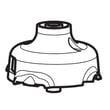
- Open the head: Press the side tabs or remove the bump knob (depending on design).
- Remove old line: Pull out remaining line and clean the spool channels.
- Cut new line: Cut two equal lengths (or one length if your head uses a single line path).
- Wind correctly: Follow the arrow on the spool; wind tight, level wraps with no overlapping.
- Lock the ends: Use the spool notches to hold the line ends temporarily.
- Reassemble and feed: Route line through the eyelets, reinstall the spool, then pull both ends to release from notches.
Quick checks if the line will not feed
- Line is wound the wrong direction.
- Wraps are loose or crossed.
- Line diameter is too large for the head.
- Eyelets are packed with debris.
When a “line problem” is really a driveline issue
If the head does not spin consistently (even with fresh line), inspect the lower driveline. A worn or damaged line trimmer drive shaft assembly, lower 611P05588 can cause intermittent rotation that feels like a feed problem.
| Symptom | More likely cause | What to do |
|---|---|---|
| Line tangles inside head | Overlapping wraps | Rewind with tight, even layers |
| Line breaks at the head | Debris in eyelets | Clean eyelets and spool |
| Head stops under light load | Driveline wear | Inspect shaft and couplers |
Why it matters
Correct winding and the right line size reduce jams, improve cutting performance, and prevent unnecessary wear on the trimmer head and drive components.
Last updated: January 2026
Which is better, .080 or .095 trimmer line?
For the Craftsman CMXGTAMD25SC gas line trimmer, we cannot confirm from model-specific information whether .080-inch or .095-inch line is the best choice because the supported line diameter is determined by the installed trimmer head and spool. In general, .095 lasts longer in heavy weeds, while .080 feeds easier for light trimming.
Quick comparison (general guidance)
| Line diameter | Typical best use | Typical trade-offs |
|---|---|---|
| .080 in | Light grass, edging, detail trimming | Breaks and wears faster; may require more frequent reloading |
| .095 in | Thicker grass, weeds, rough fence lines | More drag; can reduce runtime and may stress the drive system if the head is not designed for it |
How we recommend choosing for CMXGTAMD25SC
- Match the line size to the maximum diameter stamped on the trimmer head or listed on the spool.
- If the head lists a range (example: “.080 to .095”), start with the thicker option for weeds and step down if feeding becomes inconsistent.
- If the head lists only one size, use that size to avoid poor feeding and excess load.
- Use fresh, flexible line; old line gets brittle and snaps regardless of diameter.
Why it matters
Line that is too thick for the head can cause poor feed, extra vibration, and higher load on the driveline. If you notice slipping, rattling, or loss of power transfer while trimming, inspect the lower driveline components such as the line trimmer drive shaft assembly, lower 611P05588.
Helpful related info
- If you are unsure you have the correct model identification before ordering parts, use how to find your appliance model number (and what it means for parts).
Last updated: January 2026
What is the average lifespan of CMXGTAMD25SC?
A Craftsman CMXGTAMD25SC WS210 gas weedwacker typically lasts 8 to 10 years with normal homeowner use and routine maintenance. Lifespan is driven most by fuel care, air filtration, and keeping the cutting head and drive system from running overheated or dry.
What affects lifespan the most
- Fuel quality and storage: fresh, properly mixed fuel (if required) and no long-term storage with fuel in the tank.
- Air filtration: a clean filter prevents lean running and cylinder wear.
- Ignition tune-up: a healthy spark plug helps easy starting and clean combustion.
- Cutting head load: constantly bogging the engine shortens clutch and engine life.
- Cooling and exhaust: debris buildup around the engine or muffler raises operating temperature.
Maintenance schedule we recommend
| Task | Typical interval | What to look for |
|---|---|---|
| Replace/inspect air filter | Every season | Dirty, torn, oil-soaked media |
| Replace/inspect spark plug | Every season | Fouling, worn electrode, hard starting |
| Check fuel system | Every season | Cracked lines, leaking tank/cap, stale fuel |
| Inspect cutting head/spool | As needed | Line feed issues, worn eyelet, vibration |
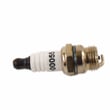
If you are doing a tune-up, the parts list for this model includes the line trimmer spark plug 753-06847 and the mtd line trimmer air filter 753-06417.
Signs your trimmer is nearing end-of-life
- Compression feels weak; it starts but will not stay running under load
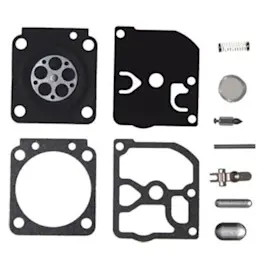
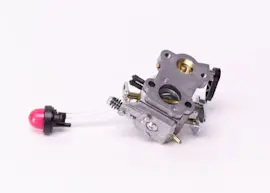
- Persistent fuel leaks or repeated carburetor issues after cleaning
- Excessive vibration from worn shaft, clutch, or cutting head components
- Loss of power even with a clean filter and new plug
Why it matters
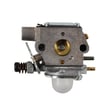
Knowing the expected 8 to 10 year lifespan helps you decide whether to invest in common repairs (spark plug, air filter, carburetor, fuel tank assembly) or plan for replacement when major engine or drive components wear out.
Last updated: March 2026