Owner’s manual



Does a Samsung washer have a filter that needs to be cleaned?
Yes. On the Samsung WF419AAW washer, there is a drain pump filter (coin trap) that should be cleaned periodically to help prevent slow draining, standing water, and drain-related error codes. We recommend following the steps in the WF419AAW user manual for your exact access method.
What filter you can clean on this model
Most Samsung front-load washers like WF419AAW use a drain pump filter that catches lint, coins, hair pins, and small debris before it reaches the drain pump.
Common signs it needs cleaning:
- Washer drains slowly or leaves water in the tub
- You notice a musty odor after loads
- You hear the drain pump straining or buzzing
- You get a drain-related error (often tied to restricted draining)
How to clean the drain pump filter (safe, typical steps)
Before you start, unplug the washer and have towels and a shallow pan ready.
- Open the small access door (usually low on the front panel)
- Pull out the small drain hose (if equipped) and drain water into a pan
- Unscrew the filter cap slowly; let remaining water drain
- Remove debris from the filter and rinse it clean
- Check the filter housing for obstructions, then reinstall the cap snugly
- Run a rinse and spin cycle to confirm normal draining
Quick reference: what to clean and how often
| Item | What it does | Typical cleaning interval |
|---|---|---|
| Drain pump filter | Traps debris before the drain pump | Every 1 to 3 months (more often with pet hair) |
| Door boot/gasket area | Collects lint and moisture | Wipe weekly |
| Detergent dispenser | Can clog with residue | Monthly |
Why it matters
A clogged drain pump filter can restrict water flow, which increases drain time and can lead to no-drain symptoms. Keeping it clean helps protect the drain pump and improves wash performance.
For drain-specific troubleshooting, we also use the guidance in Samsung front load washer nd error code.
Last updated: January 2026
Is it worth repairing a Samsung washing machine?
Yes, repairing a Samsung washer is often worth it when the fix is a common wear item and the total repair cost stays under about half the price of a comparable replacement. For Samsung model WF419AAW, it is usually worth repairing if the tub and drive system are sound and the problem is isolated (drain, fill, door lock, or control issues).
Quick decision checklist (WF419AAW)
- Repair if the washer still fills, tumbles, and spins normally but has a single symptom (won’t drain, won’t fill, door won’t lock, error code).
- Repair if the issue is maintenance-related (clogged drain pump filter, kinked drain hose, detergent buildup, mild odor).
- Replace if the inner/outer tub is damaged, the unit has repeated major leaks, or the repair requires multiple high-cost assemblies.
- Replace if you are facing a second major repair soon after a first major repair.
- Repair if you can confirm the failure with basic checks and the part is accessible.
Typical repair vs replace guidance
We use these practical thresholds when deciding on a front-load washer repair:
| Factor | Usually points to repair | Usually points to replace |
|---|---|---|
| Repair cost vs replacement | Under ~50% | Over ~50% |
| Failure type | Drain, fill, door lock, minor leak | Tub, bearings, major structural leak |
| Frequency of breakdowns | First major issue | Repeated issues in a short time |
| Performance after fix | Quiet, stable spin | Loud, vibration, recurring error codes |
Model-specific notes for Samsung WF419AAW
We cannot determine the exact age of a WF419AAW from the model number alone, so we base the decision on symptoms and repair scope. Use the troubleshooting and error-code sections in the WF419AAW manual to match what the washer is doing (or displaying) to the most likely failed part or maintenance step.
If you have an error code, decide faster
Error codes often indicate a targeted repair (and that is usually cost-effective). These resources help narrow it down:
- Samsung front load washer error codes
- Samsung front load washer nd error code (drain-related)
- Samsung front load washer nf error code (fill-related)
- Samsung front load washer dc error code (door/imbalance-related on some models)
Why it matters
A front-load washer like the Samsung WF419AAW can be very economical to keep running when the problem is isolated (drain pump area, inlet valve flow, door lock, or a control input). Costs climb quickly when the failure involves the tub, bearings, or multiple systems at once.
Last updated: January 2026
What is the average life of a Samsung washing machine?
Samsung washing machines typically last 10 to 14 years. For your Samsung WF419AAW, real-world lifespan depends most on load size, detergent use (especially HE detergent), installation (leveling), and routine cleaning; consistent maintenance can push service life closer to the high end.
What affects lifespan the most (especially on front-load washers)
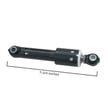
- Overloading strains the drive system, tub bearings, and shock absorbers.
- Too much detergent can cause residue buildup, odors, and drainage issues.
- Poor leveling increases vibration and can shorten the life of suspension and bearings.
- Moisture left in the door boot encourages mold and premature seal wear.
- Clogged drain path makes the drain pump work harder and can trigger drain errors.
For model-specific care and cleaning steps, follow the routine in the WF419AAW manual.
Maintenance schedule we recommend
- After every load: Wipe the door glass and door boot; leave the door slightly open.
- Weekly: Check pockets for coins, screws, and debris that can damage the drain pump.
- Monthly: Run a tub-clean cycle and clean the dispenser drawer.
- Every 3 to 6 months: Inspect fill hoses for bulges or cracking; confirm the washer is still level.
Quick “repair vs replace” guide
| If your WF419AAW has this issue | Often worth repairing | Often points toward replacement |
|---|---|---|
| Won’t drain / drain error | Drain pump, filter, hose blockage | Repeated pump failures plus leaks |
| Excessive vibration | Leveling, shocks | Loud roaring from tub bearings |
| Leaks | Door boot, hoses, clamps | Rusted tub or major bearing seal leak |
Why it matters
A washer that is cleaned, leveled, and not overloaded usually avoids the most common early failures (drain problems, odor buildup, and vibration damage), which is the easiest way to reach that 10 to 14-year average.
Related help for drainage problems: Samsung front load washer nd error code
Last updated: January 2026
What is the most common problem with the Samsung washing machine?
For the Samsung WF419AAW, one of the most common real-world issues is a fill or water-level sensing problem: the washer may not fill correctly, may stop mid-cycle, or may show a water supply related error. Start by confirming proper water supply and inlet flow as outlined in the WF419AAW manual.
Quick checks we recommend first
- Make sure both hot and cold supply valves are fully open.
- Check that the inlet hoses are not kinked, crushed, or routed too tightly.
- Remove and rinse the small inlet screen filters at the washer’s water inlet ports.
- Verify household water pressure is strong at the wall valves.
- Run a rinse/spin cycle with an empty drum to see if the symptom repeats.
What usually causes “won’t fill” or “fills wrong” symptoms
These issues are commonly tied to one of these areas:
- Clogged inlet screens or restricted supply hoses
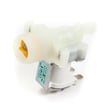
- A failing water inlet valve (solenoids not opening consistently)
- A water level pressure sensor or pressure hose issue (incorrect level reading)
- Control board sensing problems (less common, but possible)
Symptom-to-likely-cause guide
| What you notice | Most likely area to check first | Why |
|---|---|---|
| Slow fill or no fill | Water supply, inlet screens | Restrictions are most common |
| Stops and beeps during fill | Supply pressure/valves | Washer detects abnormal fill |
| Overfills or underfills | Pressure sensor/pressure hose | Level feedback is incorrect |
| Intermittent fill issues | Inlet valve or wiring | Solenoids can fail intermittently |
Why it matters
Fill and water-level problems can prevent proper detergent dilution, cause cycle interruptions, and lead to poor cleaning performance. Catching a simple restriction early can also help you avoid unnecessary part replacement.
Related troubleshooting help
If you’re seeing an error code along with the problem, use our Samsung front load washer error codes reference to match the code to the most likely cause.
Last updated: January 2026