View engine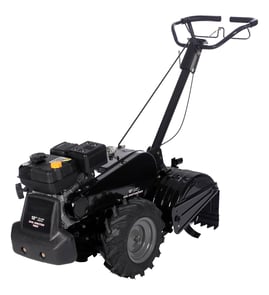


Are rear tine tillers better?
Rear-tine tillers are better when you need maximum traction and control for tougher soil conditions; for a Rally RYX820K rear-tine tiller, the rear-mounted tines help the machine bite into hard ground, work through roots, and cover larger garden areas with less bouncing than lighter front-tine units.
Rear-tine tillers typically outperform front-tine models in demanding jobs because the weight and drivetrain are designed for steady forward pull.
- Breaking new ground (compacted soil, sod, or previously untilled areas)
- Working in rocky soil or areas with small roots
- Tilling larger plots where consistent depth matters
- Mixing in compost or amendments more evenly
- Reducing operator fatigue because the machine tracks straighter
If your soil is already loose and you mainly do seasonal touch-ups, a front-tine unit can be more practical.
- Smaller gardens and narrow rows
- Lighter weight for easier transport and storage
- Lower cost for occasional use
| Feature | Rear-tine tiller (like RYX820K) | Front-tine tiller |
|---|---|---|
| Best for | New ground, tough soil | Looser soil, maintenance tilling |
| Handling | Tracks straighter, more stable | More “pulling” and bouncing |
| Typical plot size | Medium to large | Small to medium |
Choosing the right tine layout affects how deep you can till, how well the tiller holds a straight line, and how much strain you put on the drive system (belt, pulleys, chains). If your rear-tine tiller starts slipping or losing tine power, the drive components are the first place we look.
If your Rally RYX820K struggles to move or the tines lose power under load, these parts are often involved:
For operating and setup tips that help you get the best results from a rear-tine design, see tips for using a rear tine tiller. For parts ordering beyond the list for this model, search by model number on Sears PartsDirect.
Last updated: February 2026
Can you set the depth on a rear tine tiller?
Yes. On the Rally RYX820K rear-tine tiller, you set tilling depth by adjusting the depth stake (drag bar) so the tines bite more or less into the soil; a deeper setting increases digging but also increases load on the drive system.
Most rear-tine tillers control depth with a rear depth stake that acts like a brake:
- Raise the stake (less in the ground) to let the tiller dig deeper
- Lower the stake (more in the ground) to limit bite for shallower tilling
- Use small changes and make a short test pass before committing to a full row
We recommend setting depth before you start tilling, then fine-tuning after a short pass.
- Start on shallow depth for the first pass, especially in hard or unbroken soil
- Make a short 3 to 6 ft test pass, then stop and re-check depth
- Increase depth gradually until you reach your target
- If the tiller bucks, stalls, or chatters, reduce depth and slow your ground speed
- In rocky soil, keep depth conservative to protect the gear case and tine drive
| Job | Typical depth range | Best approach |
|---|---|---|
| Weed control, mixing compost | 1 to 3 in. | One shallow pass |
| Garden bed prep (previously tilled) | 3 to 6 in. | Two passes, moderate depth |
| Breaking new ground | 2 to 4 in. at first | Multiple shallow passes |
Depth directly affects traction, tine load, and belt/chain stress. If you try to run too deep too fast, the tiller can lose forward motion and the drive components can wear faster.
If you cannot maintain depth because the tines stop turning or the drive slips, check common wear items:
- Drive belt condition and tension (see husqvarna rear-tine tiller drive belt 591372401)
- Loose hardware at the depth stake or tine assemblies
- Excessive slack or damage in the tine drive chain
For more step-by-step guidance, use our DIY article rear tine tiller troubleshooting tips wheels and tines. You can also find additional parts for the RYX820K on this model’s parts list or by searching at Sears PartsDirect.
Last updated: February 2026
What are the common problems with power tillers?
Common problems with power tillers (including the Rally RYX820K rear-tine tiller) fall into four buckets: starting issues, engine performance problems, drive and tine engagement failures, and poor tilling results. Most of these trace back to fuel quality, basic tune-up items, or wear parts in the belt and drivetrain.
- Won’t start or hard to start: stale fuel, fouled spark plug, dirty air filter, or a fuel delivery restriction.
- Runs rough, surges, or lacks power: clogged air filter, old fuel, carburetor varnish, or incorrect choke use.
- Wheels and tines won’t turn: worn or loose drive belt, linkage out of adjustment, or a drivetrain issue.
- Tines won’t turn but wheels do: belt slip, damaged tine drive components, or internal gear case problems.
- Poor tilling or shallow tilling: worn tines, incorrect depth stake setting, or soil conditions (too hard or too wet).
- Excess vibration or noise: loose hardware, damaged tines, or worn rotating parts.
| Symptom | Most likely causes | Parts often involved |
|---|---|---|
| Engine won’t start | Fuel, spark, air | Tune-up items (not model-specific here) |
| Wheels/tines don’t move | Belt slip or break, engagement issue | Husqvarna rear-tine tiller drive belt 591372401 |
| Grinding/leak at gear case | Gasket failure, internal wear | Rally tiller gear case gasket 532431022 |
| Poor tine action | Chain wear, tine hub wear | Tiller chain, #25-50 532102134 |
- Start with the basics: fresh fuel, correct oil level, clean air intake, and a good spark plug.
- Confirm engagement: with the engine off, check that the drive control moves freely and returns fully.
- Inspect the belt and pulleys: glazing, cracking, slack, or rubber dust points to belt slip.
- Check the drivetrain: if the belt is good but the tines still do not pull, inspect chain and gear case components.
A tiller can feel “dead” even when the engine runs fine because the drive belt, chain, or gear case is what actually transfers power to the wheels and tines. Catching belt slip early helps prevent extra wear on pulleys, shafts, and the gear case.
For step-by-step diagnosis of wheel and tine engagement issues, use our DIY help: rear tine tiller troubleshooting tips wheels and tines. You can also order Rally RYX820K replacement parts from the parts list for this model, or search by model number on Sears PartsDirect.
Last updated: February 2026
What is the back of a tiller called?
On a Rally rear-tine tiller like model RYX820K, the “back” is typically called the rear or tine end; it’s the side where the tines, tine shield, and depth stake are located (opposite the engine and handles). On rear-tine models, this is also the working end that digs and propels the machine through soil.
People use a few different terms depending on what they’re pointing at:
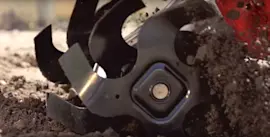
- Tine end: the side where the rotating tines are mounted.
- Rear tine assembly: the group of parts that hold and drive the tines (hubs, plates, hardware).
- Gear case / transmission area: the housing that transfers power to the tines.
- Tine shield: the protective guard around the tines.
- Depth stake (drag stake): the adjustable stake behind the tines that controls digging depth.
If you’re shopping parts for the “back,” we usually narrow it down to the tine hubs, gear case, or drive components.
These are common rear-area parts you may see listed for RYX820K:
| What you’re describing | What we call it | Example part on this model |
|---|---|---|
| Tines mount point (left side) | Tine hub and plate assembly | Rear-tine tiller left hub and plate assembly 532132727 |
| Tines mount point (right side) | Tine hub and plate assembly | Tiller tine hub and plate assembly, right 581813701 |
| Sealing surface at gear case | Gear case gasket | Rally tiller gear case gasket 532431022 |
Using the right term helps you get the correct diagram and parts the first time. For example, “rear” could mean the tine hubs, the gear case gasket, or the depth stake hardware, and those are very different repairs.
We recommend ordering replacement parts for your Rally RYX820K directly from the parts list for this model, or searching by model number on Sears PartsDirect if you’re working on a different Rally tiller.
Last updated: February 2026